4 min read
Ancestry Travel: How to Trace Your Heritage
Contents
- Why do you think the ancestry travel trend has become so popular recently?
- Which destinations do you find are most popular for heritage trips?
- What do the different stages of an ancestry trip look like?
- Have you had any favourite moments whilst guiding?
- Would you encourage travellers to travel to Ireland or Scotland, for reasons other than tracing their heritage?
- Any final thoughts?
Heritage travel is on the rise, with many North Americans keen to retrace their links to the Old World in countries like Scotland and Ireland.
We caught up with ancestry tour guide and Scottish history lecturer at Glasgow University, Dr Kirsty McAlister, who told us how she brings visitors closer to their forgotten heritage.
Why do you think the ancestry travel trend has become so popular recently?
The desire to track back our genealogical heritage is nothing new. People have long had an interest in looking back to their early relatives through family trees. However, a recent boom in companies offering DNA and genetic testing – combined with access to more online records than we’ve ever had – makes it simpler than ever to discover the rich tapestry of stories and people from your hidden past. It’s never been easier to access information remotely, you really don’t need to be in the country to get an in-depth understanding of your ancestry.
Which destinations do you find are most popular for heritage trips?
The chance to visit the ancient home of your relatives is particularly popular among American and Canadian tourists. Recent research has shown that 23% of long-haul visitors to Scotland travelled to the country to hunt down their Scottish heritage. Similarly, Ireland is a destination that attracts a lot of interest from the estimated 33 million Americans with Irish ancestry.

What do the different stages of an ancestry trip look like?
The first step to discovering your heritage is always research. There are a huge number of websites that offer DNA testing, giving you a general understanding of where your family’s roots lie. From here, you can delve even deeper using government operated databases. These track national records from church registers, birth certificates, land property rights and migration records. Websites like scotlandspeople.gov.uk even give you access to records used by professional genealogists.
For some, discovering the names and locations of their ancestors is enough. However, an ever-increasing number want to experience these places in person, to breathe in the same air and walk the same ground as their forebears. Almost all of my tours start at this point, and many of my clients will know their ancestry already – what I do is provide those lightbulb moments that snap the story into historical context.
Have you had any favourite moments whilst guiding?
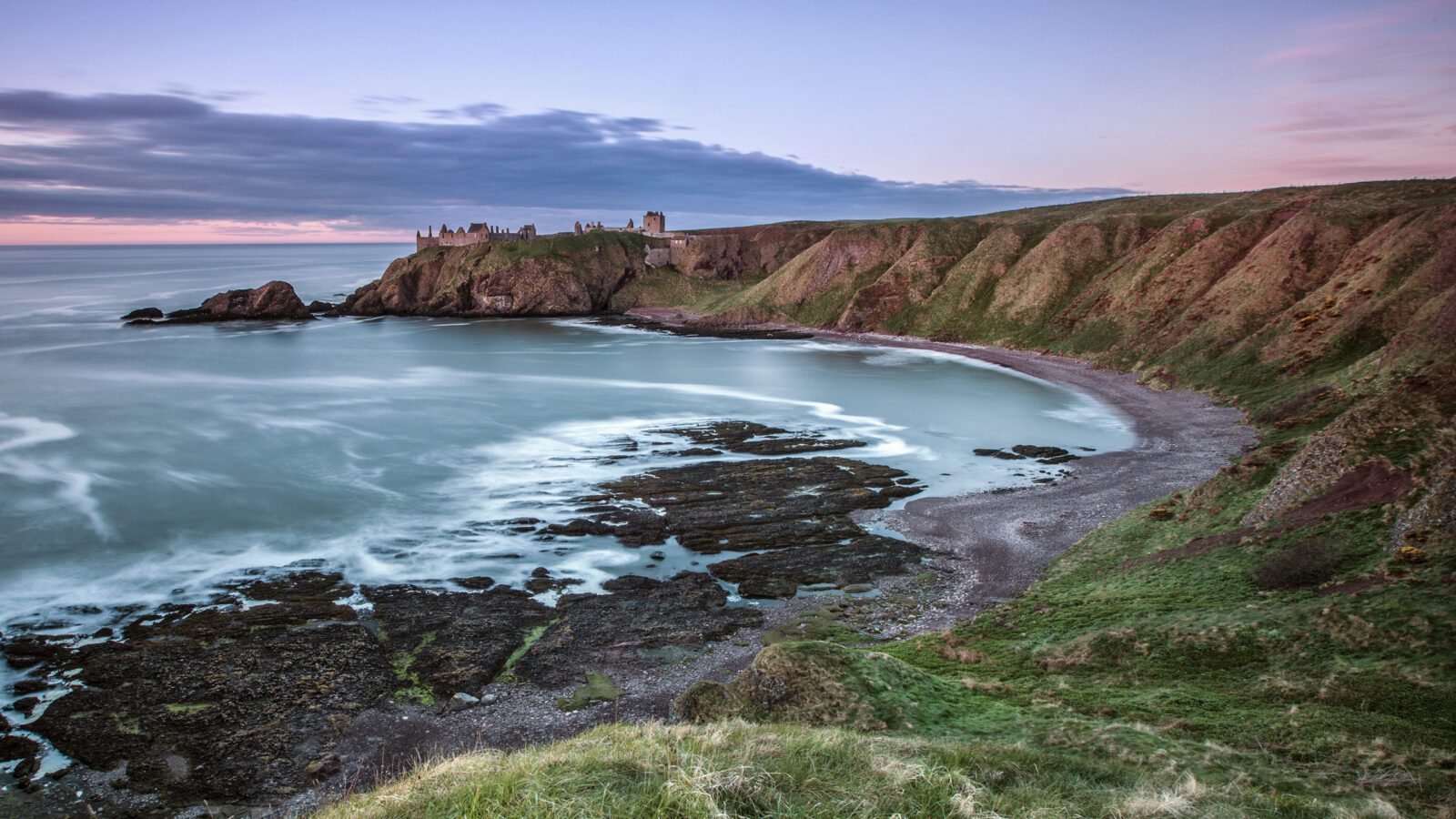
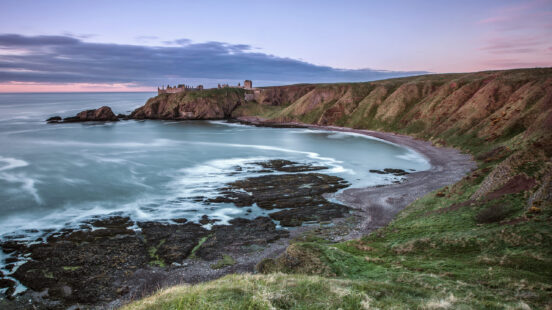
One of my favourite moments guiding tours came after a surprise revelation. We were overlooking the dramatic cliff-top Dunnottar Castle in the northeastern coast of Scotland, discussing its ancestral owners, Clan Keith. Suddenly the client had a moment of realisation. He consulted his research and discovered he was a direct descendent of the fortress’ owners. It was a beautiful merging of two sides of the story and in celebration we toasted his new found relatives with a hip flask of whisky. It’s moments like these that you realise this is so much more than just a holiday to these individuals.
Would you encourage travellers to travel to Ireland or Scotland, for reasons other than tracing their heritage?
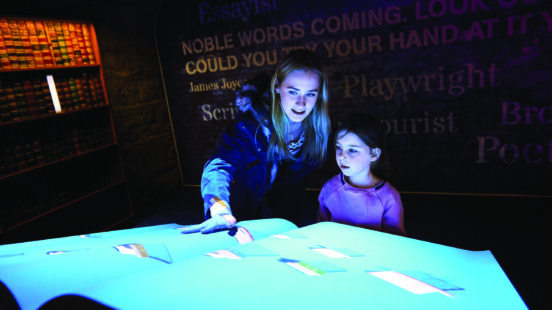
Of course! Another great incentive to make the journey to your ancestral homeland is that once you’ve arrived, you can delve into local museums or develop your research with access to local archives. In Dublin’s dockyards, the interactive EPIC Irish Emigration Museum tells the story of the 10-million Irish emigrants and the influence they collectively made on the rest of the world. Within the museum complex you can also visit the Irish Family History Centre, which offers consultations with genealogy experts and interactive displays to uncover your Irish roots. The facility notably aided US Vice President Joe Biden to discover his Irish family history on a recent visit.
Meanwhile, those with a clan kilt attached to their name can experience what life was like for Highland people at the open-air Highland Folk Museum near Inverness. The authentic, hand-built site gives a true flavour of local life from the 1700s onwards. Thankfully, even those short on time in Scotland can deepen their research by visiting the National Records of Scotland in Edinburgh. Here a plethora of information awaits, from coats of arms to census records or even local maps and plans.
Any final thoughts?
Whatever you think you know about your heritage, even the most detailed researcher can still be surprised by what they can find. I’ve traced my family all the way back to the 17th century. Though we were almost exclusively working class, I was shocked to discover a distant relative named Felix was registered in the census as a violinist. A very rare occupation for someone of that era. One of the biggest reasons I love what I do is that heart-warming moment when someone feels that personal connection to their ancestors’ story. A validation that connects them to the destination forever.
Trip inspiration
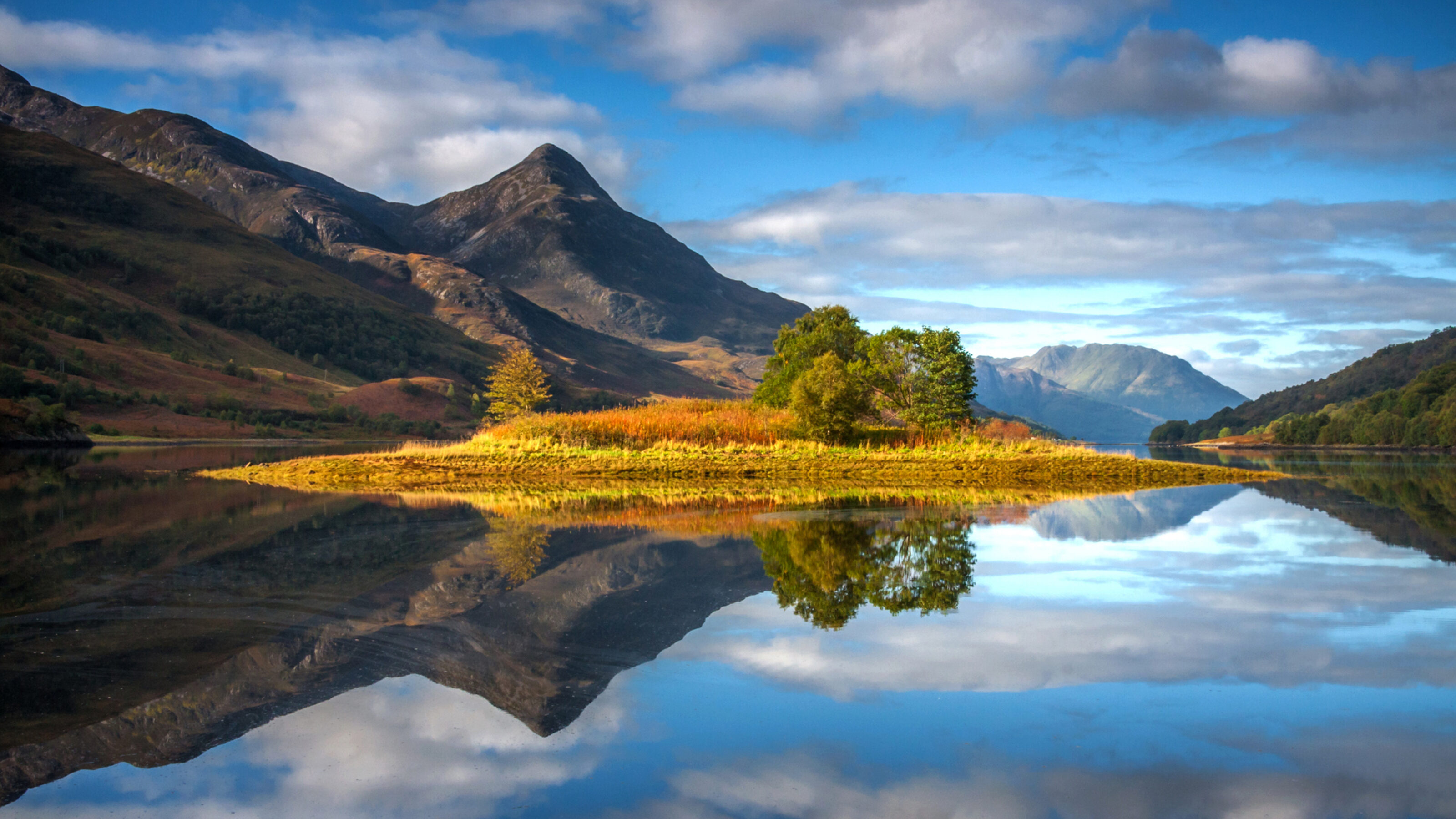
Scotland and Ireland Adventure
On this luxurious 14-day trip across Scotland and Ireland you will get to explore some of the most fascinating sites and regions the two countries have to offe…
Explore trip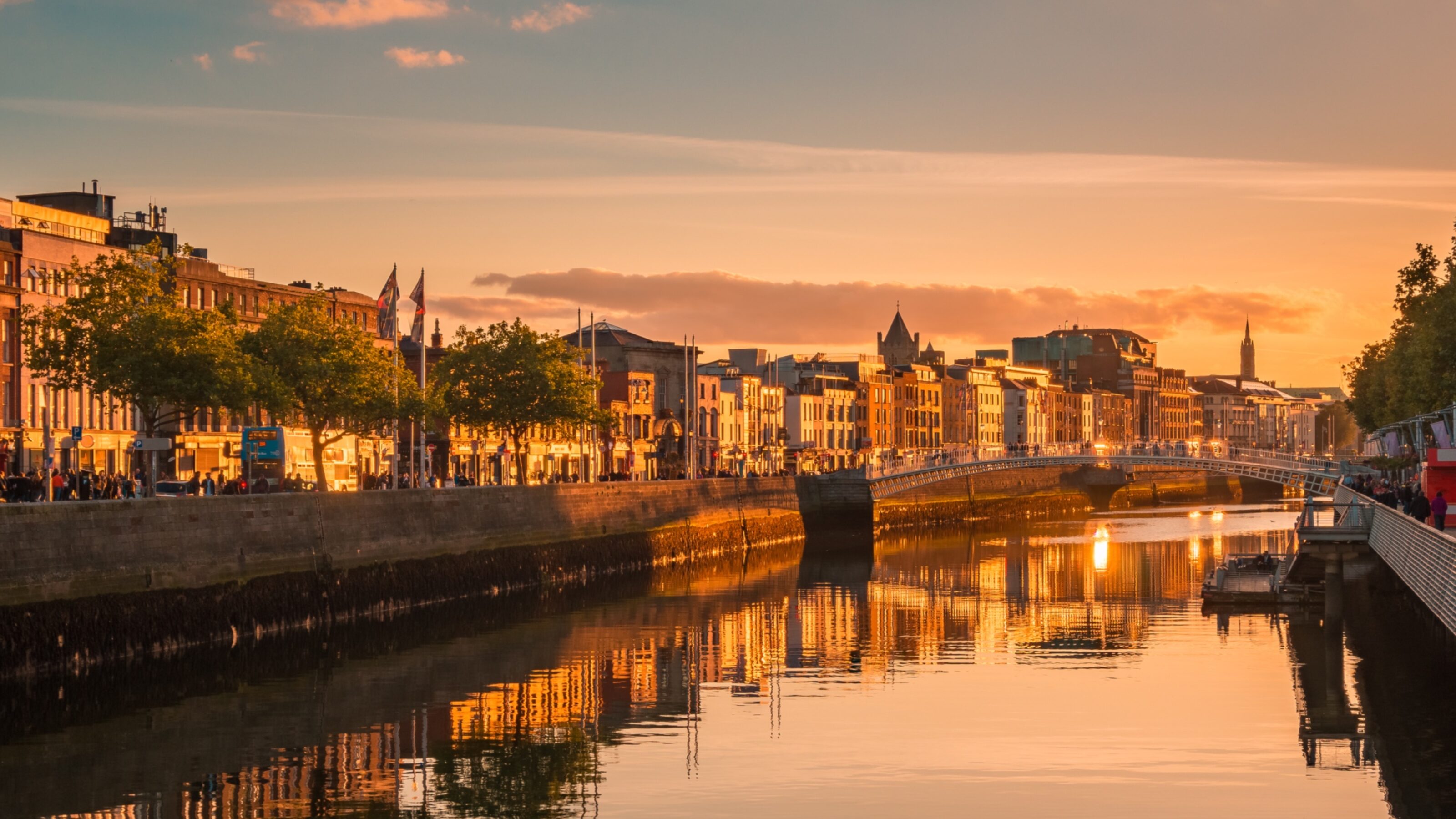
Family Adventure in Ireland
Discover Ireland's charm on a ten-day family adventure blending history, nature and culture. Begin in Dublin with visits to Trinity College, the National Histo…
Explore trip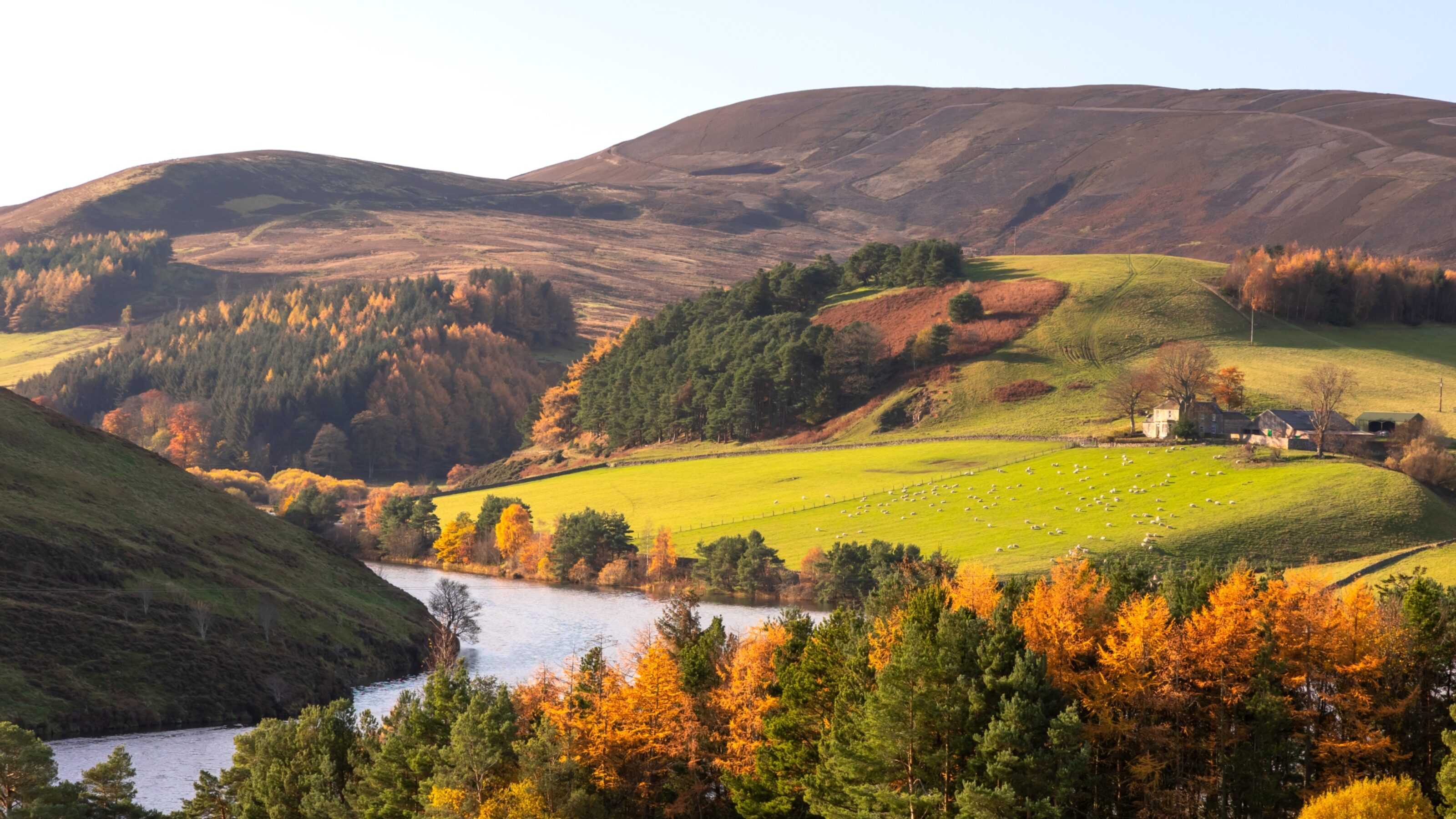
Classic Scotland
Take in Scotland's monumental history with visits to Stirling Castle, Loch Lomond, Fort William and Glencoe, before boarding the Jacobite steam train towards t…
Explore tripWhere to stay
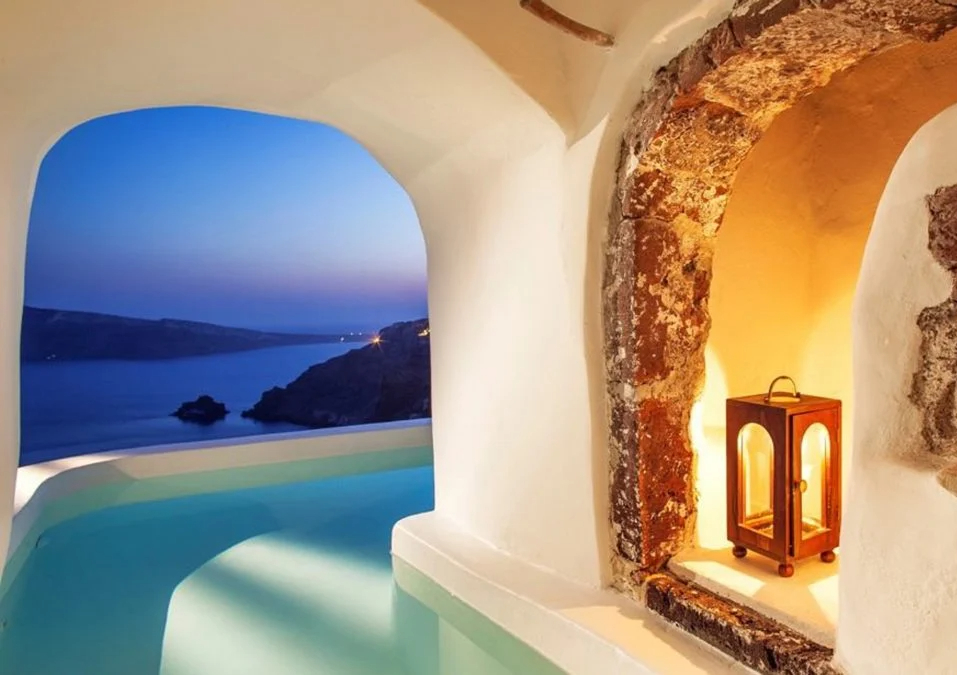
Canaves Oia Suites
An elegant luxurious cliff-side retreat

Rooster, Antiparos
Rooster Antiparos is a place to stay in Paros, Greece.
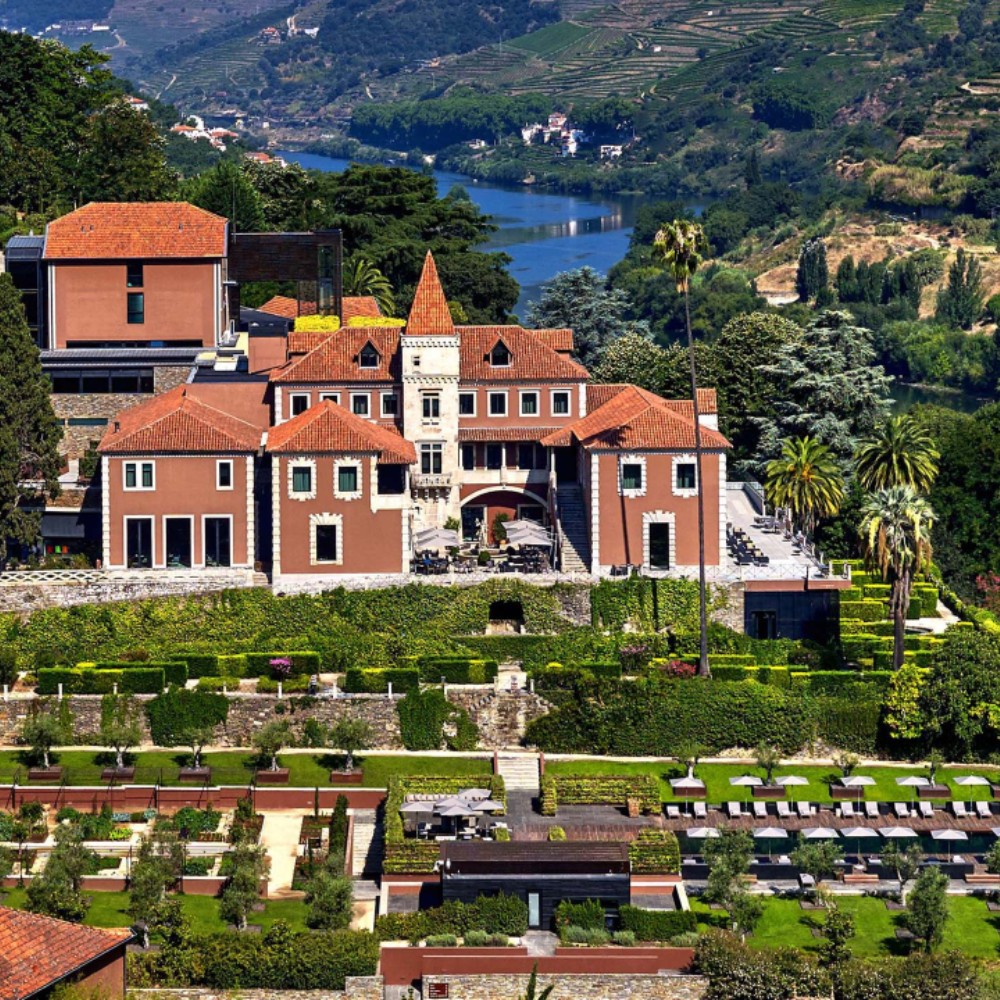
Six Senses Douro Valley
Authentic Portuguese design meets contemporary decor
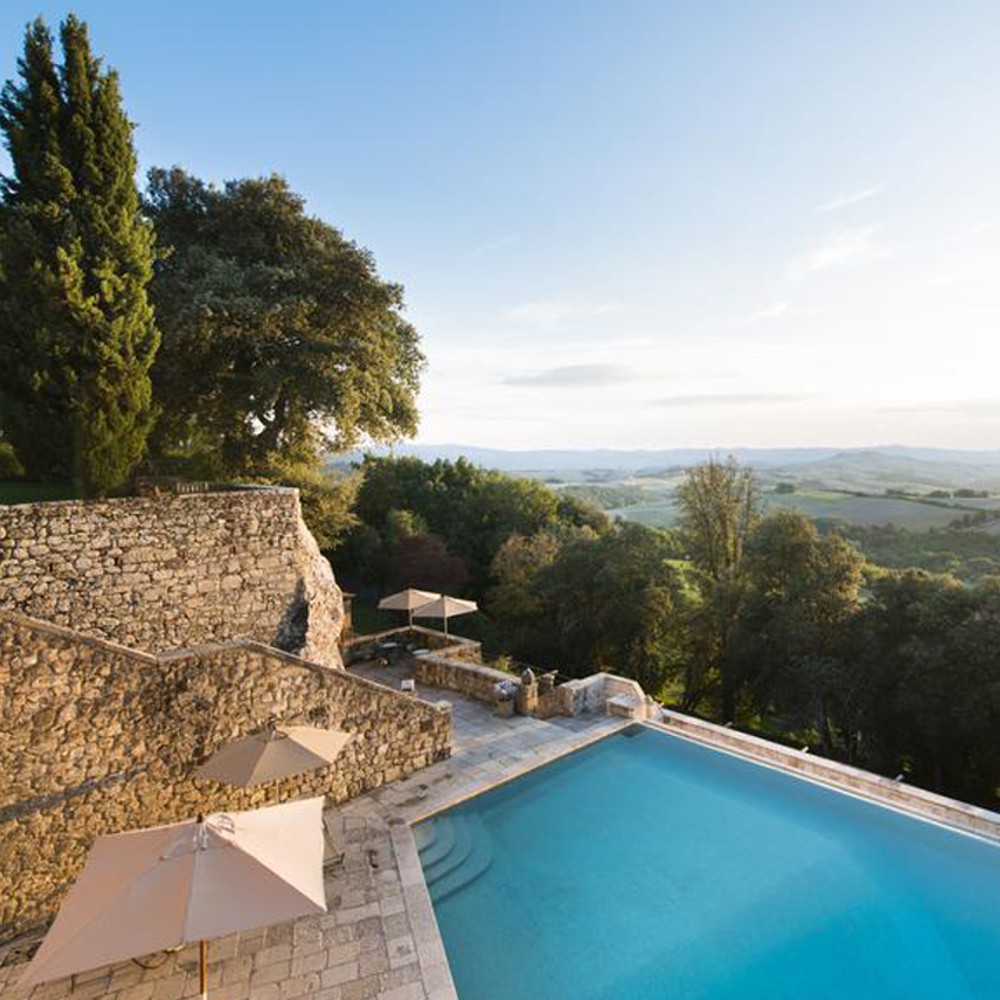
Borgo Pignano Volterra
A beautifully restored Tuscan estate
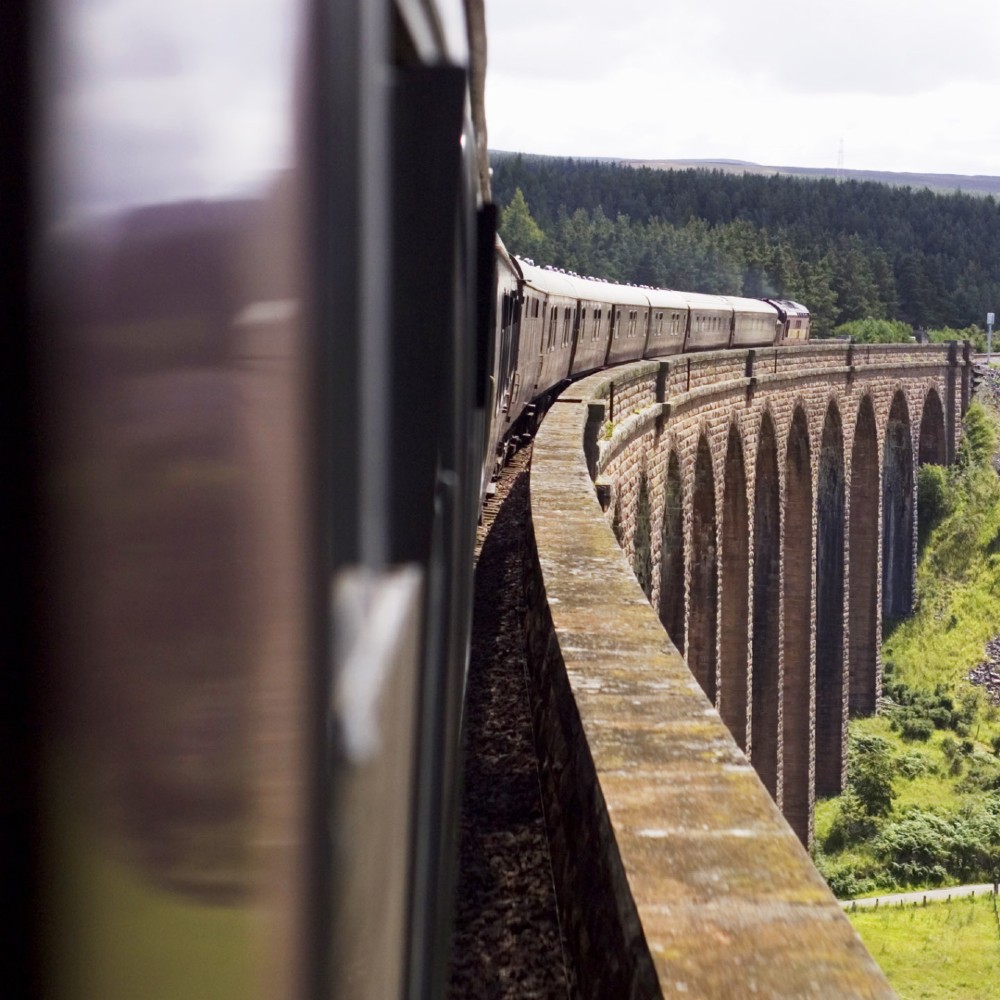
Belmond Royal Scotsman
One of the world’s most opulent trains
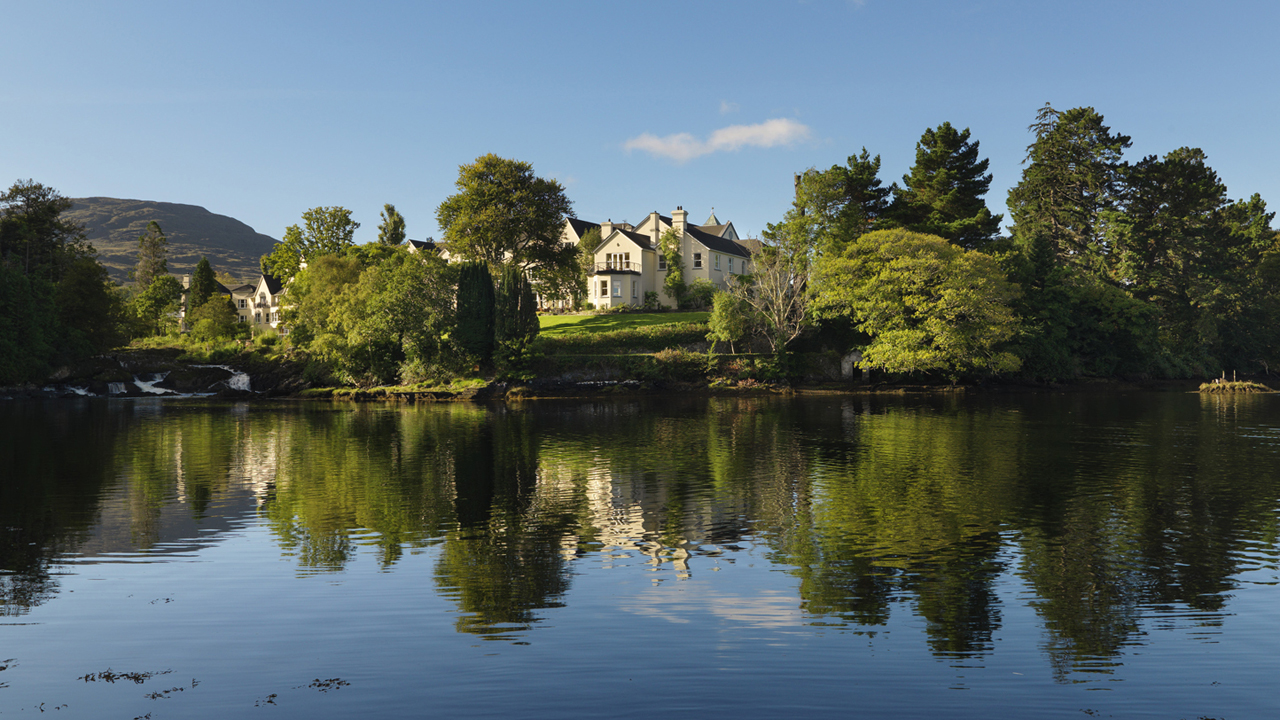
Sheen Falls Lodge
Sheen Falls Lodge is a lodge in Killarney and the south-west, Ireland.

Amanzoe
Amanzoe is a place to stay in Peloponnese, Greece.
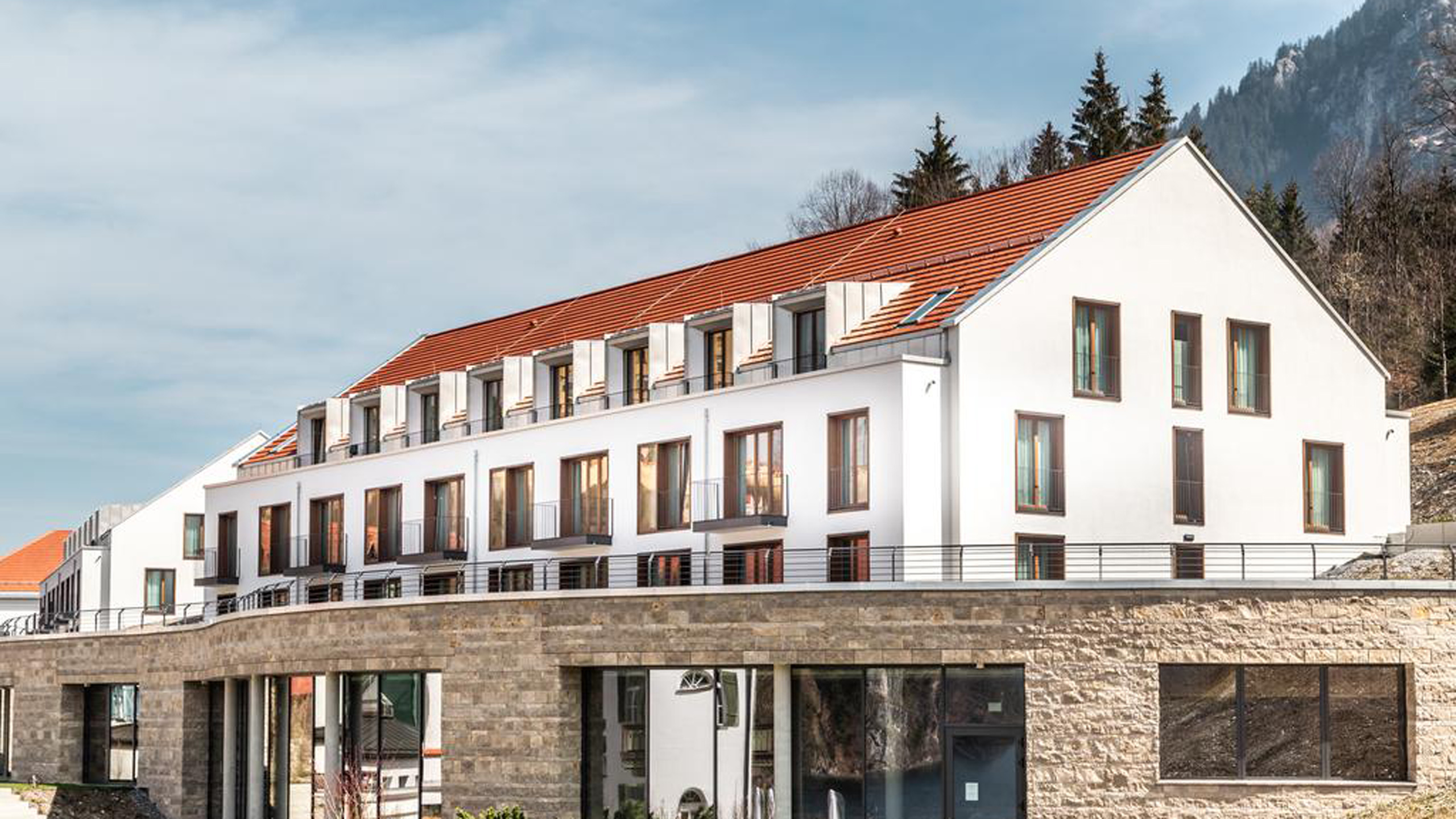
Ameron Neuschwanstein Alpsee Resort and Spa
Ameron Neuschwanstein Alpsee Resort and Spa is a hotel in Bavaria, Germany.
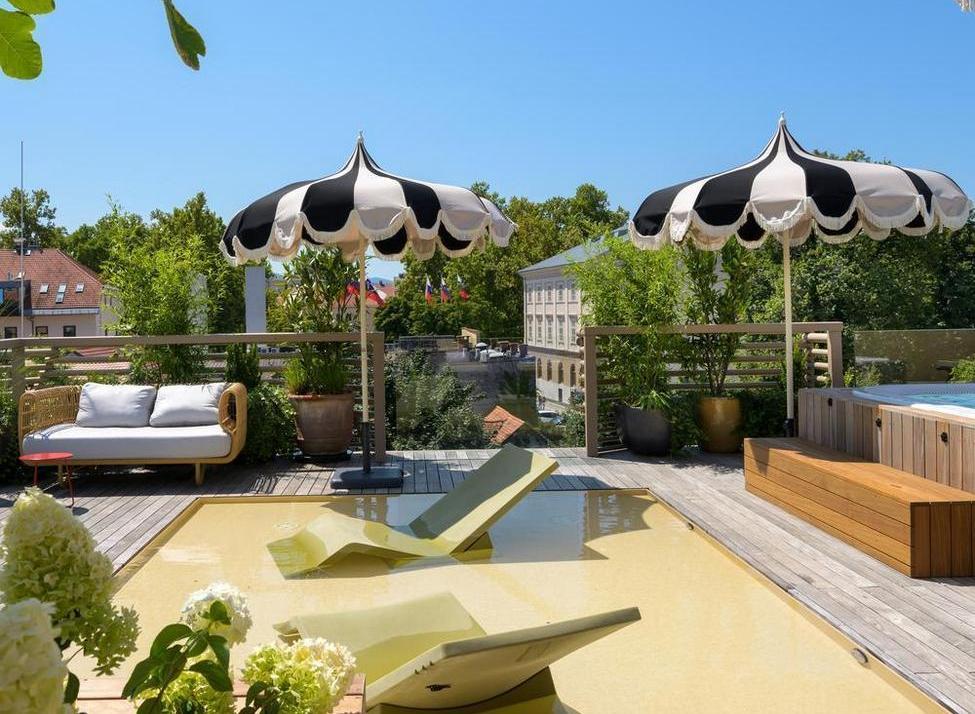
AS Boutique Hotel
Contemporary design in Ljubljana’s historic centre
Ready to start planning?
Tell us what you have in mind and our travel designers will shape the first ideas with you.
Start planning