6 min read
The Best Time to Visit Morocco
Contents

The best time to visit Morocco is spring (late March to early June) or autumn (September to early November). During these seasons temperatures are warm, ranging from 23°C (73°F) to 32°C (90°F) with very little rain, and the cultural hubs of Marrakesh and Fes have pleasant sightseeing conditions, away from the intense heat of summer (July and August).
Morocco’s summer lasts from June until August, with extremely hot weather common throughout the country. Winter runs from early November to March and is generally mild, although it can get chilly in the north around Tangier and in the High Atlas Mountains.
The best places to visit in Morocco are typically considered year-round destinations, but some months are ideal for certain areas. In the extreme climates of the Moroccan Sahara and Skoura, it’s best to avoid the heat of July and August. In the High Atlas Mountains, winter can see snowfall and some hotels close for part of the season.
The best things to do in Morocco by season
Where should you go in Morocco – and when? It’s a common question amongst travellers, and of course it depends on your interests. That said, certain times of year are generally more pleasant, while others are best suited to specific activities and destinations. Here’s our guide to the best places to go and things to do on a luxury Morocco tour during each season.
Explore the Sahara
December to February
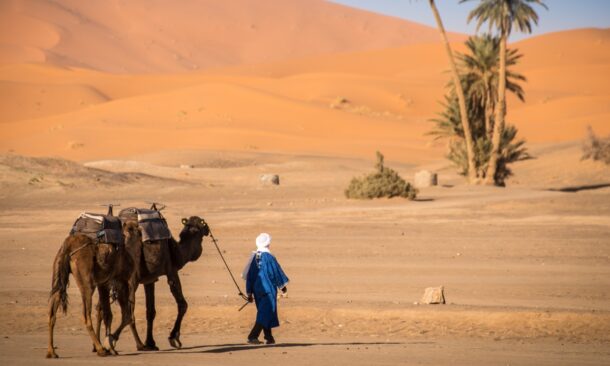
Winter is a wonderful time to experience the Moroccan Sahara, with cool daytime temperatures that allow you to enjoy the desert in comfort. However, it can get very cold at night, so it’s important to bring warm clothes.
December, January and February are also ideal for sightseeing in Morocco’s major cities and cultural hubs like Fes and Marrakesh. The relatively low number of visitors makes experiences feel more authentic, although it does get a bit busy around the holiday season.
Keep in mind that even in the main cities, many traditional riads don’t have central heating, so nights can get chilly. It’s also worth noting that there’s some rainfall during winter, particularly in the north around Casablanca, Tangier and Rabat.
It often snows during these months in the High Atlas Mountains, making some routes impassable. It’s best to wait until spring to visit this area. And although Morocco is largely a year-round destination, some hotels do close briefly in January.
Go hiking in the High Atlas Mountains
March to May
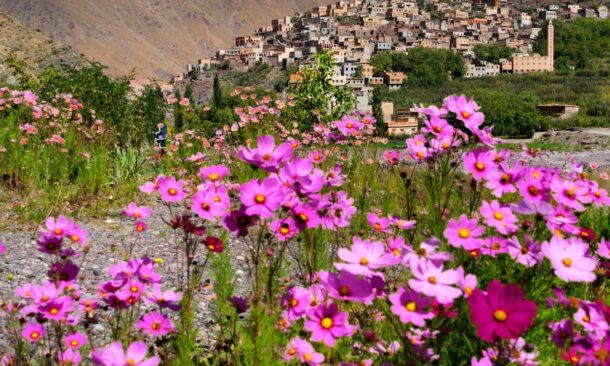
Spring is one of the best times to travel to Morocco if you want to explore its stunning natural beauty. The High Atlas Mountains are lovely in March, April and May, with mild temperatures and pretty spring flowers popping up in the low-lying valleys.
Spring is also great for sightseeing in the old imperial city of Meknes and the Roman ruins of Volubilis. Walking around the entire archaeological site of Volubilis can take up half a day, so it’s best to do it outside of the hotter months if possible.
March can still feel quite chilly – especially in the mountains, where temperatures reach highs of 14°C (57°F). If you’re going hiking, make sure to pack layers and be prepared for the possibility of rain. By the end of May, Marrakesh gets up to around 29°C (84°F).
In April and May (exact dates differ each year), much of Morocco observes Ramadan. This 30-day religious festival is an extremely sacred time in the country. Lots of shops, restaurants and landmarks close during the day, then come alive at night after the daily fast is broken.
Escape to the coast or the mountains
June to August
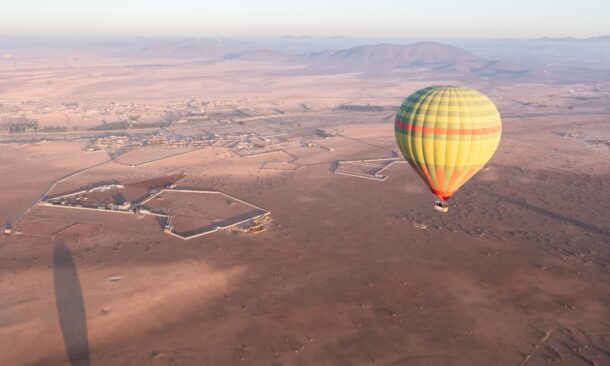
Summer can be incredibly hot in Morocco, so we suggest heading to the mountains or sea to cool off. In the High Atlas Mountains you can explore Berber culture, go hiking and enjoy the fresh air. We love Kasbah Tamadot for its gorgeous swimming pool and traditional decor.
June is the perfect time to visit the coastal towns of Essaouira and Oualidia, as temperatures aren’t too hot and the winds – which can get very strong – are still moderate. Keep in mind that Essaouira can feel a bit crowded during the high season of July and August.
If you decide to do some summer sightseeing in the main cities, plan to go in the morning or evening to avoid the hottest hours of the day. One of our favourite early-morning experiences is a sunrise hot air balloon ride in Marrakesh. The city also offers stunning hotels with large shady gardens and swimming pools where you can escape the midday heat.
Sightseeing in Marrakesh, Fes and Chefchaouen
September to November
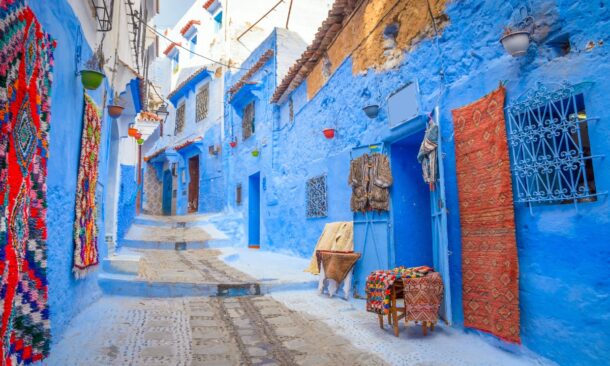
Autumn is undoubtedly one of the best times of year to go to Morocco. In Marrakesh and Fes temperatures drop, making sightseeing much more pleasant. It’s also the ideal season to wander the streets of Chefchaouen, with its iconic blue buildings and picturesque alleyways.
Essaouira and the coast start cooling down after the summer, and by November the winds are picking up – which is ideal for anyone interested in kitesurfing. This is also a great time to go hiking in the High Atlas Mountains, although the end of October can get a bit rainy.
Most of Morocco has nice weather during autumn, so you’ll have plenty of options when it comes to choosing your itinerary. Keep in mind that September and October are quite popular months to visit, while November is often quieter throughout the country.
What is the best month to go to Marrakesh?
The best month to visit Marrakesh is spring or autumn, when the weather is warm but not yet too hot. May and September promise clear sunny skies, but March and November boast less-crowded cities and sites – and they’re also significantly cooler.
For 30 days in April and May (the dates vary), most of Morocco celebrates Ramadan. This is a fascinating time to visit if you’re interested in culture and religious festivals. Just keep in mind that many places will close during the day, and then come back to life after sundown.
What are the hottest months in Morocco?
The hottest months in Morocco are July and August. In summer the main cities are sweltering, with Marrakesh often reaching 38°C (100°F). Daytime temperatures in the Sahara can exceed a staggering 43°C (109°F). The coolest spot is typically Essaouira on the coast, with temperatures of around 22°C (72°F).
When is the rainy season in Morocco?
The rainy season in Morocco runs from October through April. Some of these rainy months coincide with the winter season in Morocco that runs from December to March. That being said, it’s important to remember that this is a large country with differing climates. For example, while Tangier can experience significant rainfall in November and December, Marrakesh may stay relatively dry.
In the High Atlas Mountains, it’s best to be prepared for rain between October and April, although the showers are usually lighter at the beginning and end of the season. The desert regions are unlikely to experience any rainfall at all, even in the rainy season
Trip inspiration
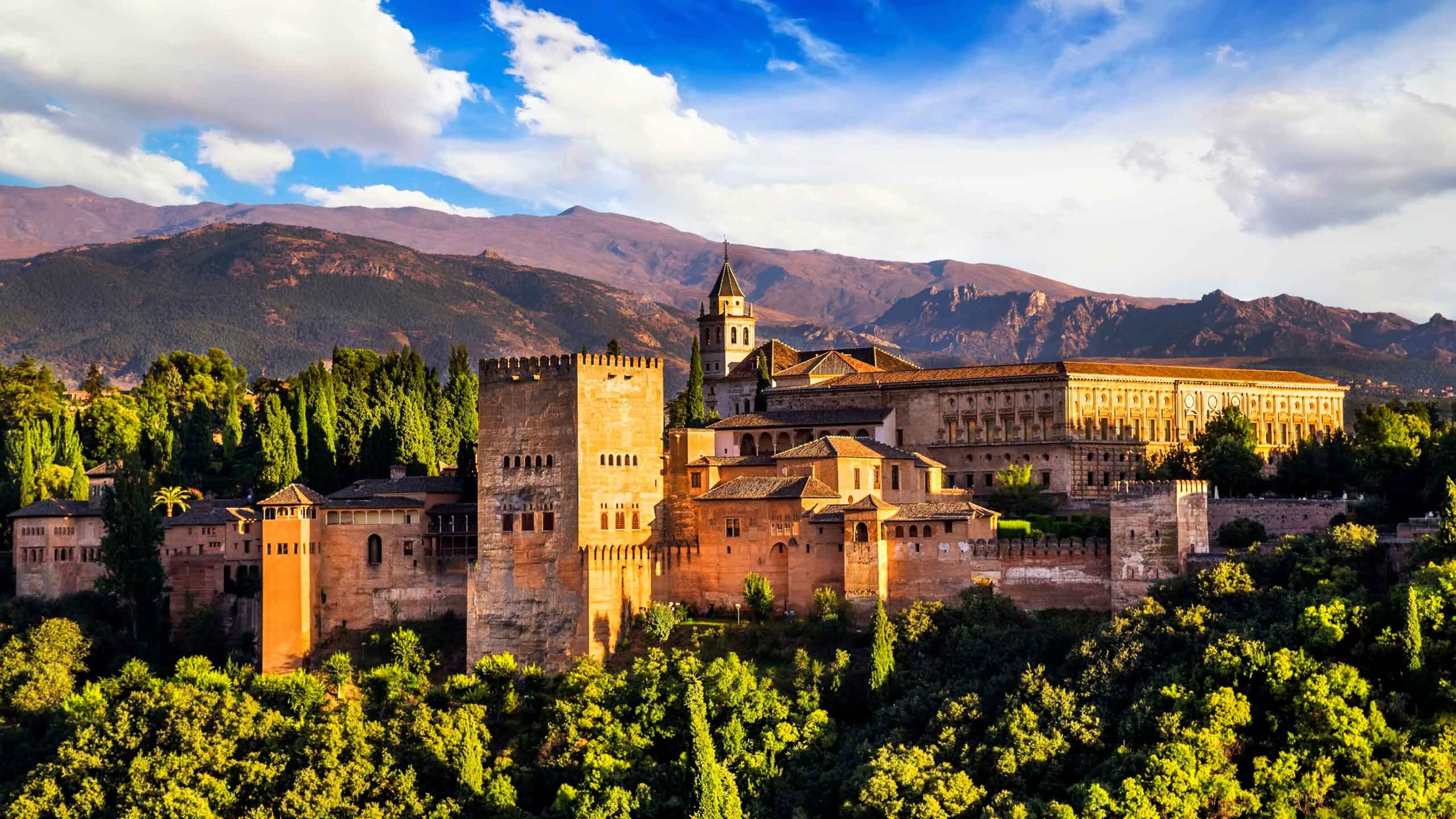
On the Trail of the Moors in Spain and Morocco
Uncover the story of the Moors and their influence on traditions and culture in both Spain and Morocco. Wind your way down from Madrid, where you'll savour del…
Explore trip
A Morocco Family Adventure: Cities, Sahara and the High Atlas
Begin your Morocco family adventure in Casablanca, whose buildings and cuisine reflect the country’s diverse heritage. Then, dive into landscapes straight from…
Explore trip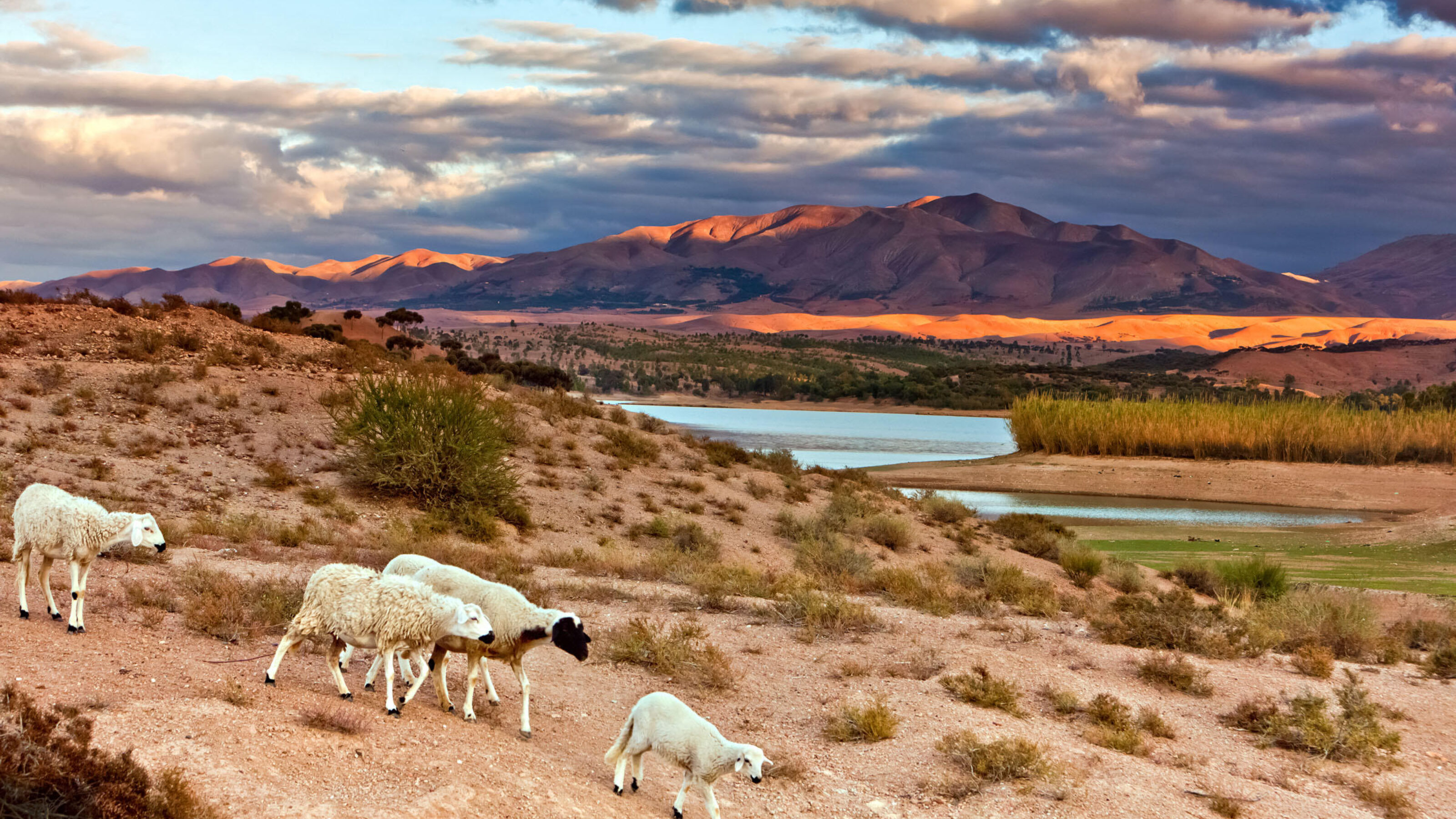
Active Morocco
From Marrakesh to the High Atlas Mountains, this Moroccan adventure is the perfect mix of energetic activities and cultural experiences. Between walking tours…
Explore tripWhere to stay
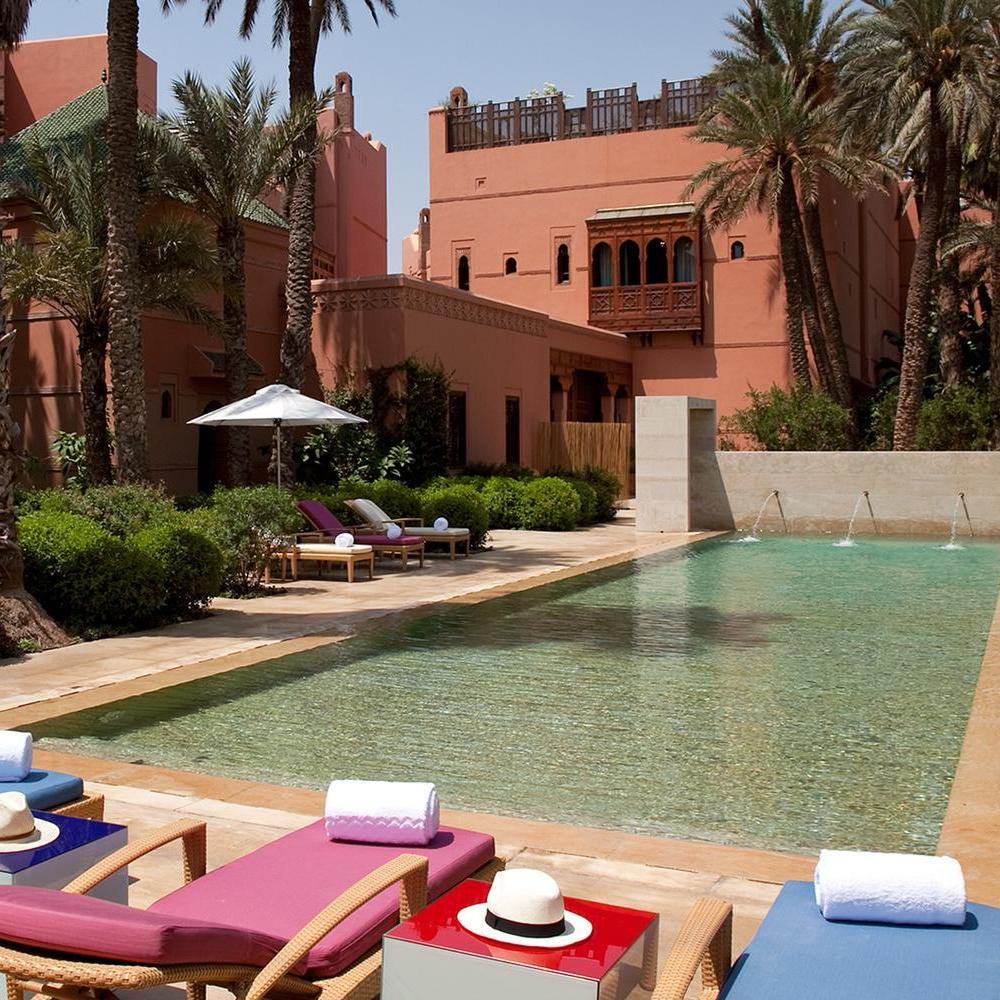
Royal Mansour
Royal Mansour is a place to stay in Marrakesh, Morocco.
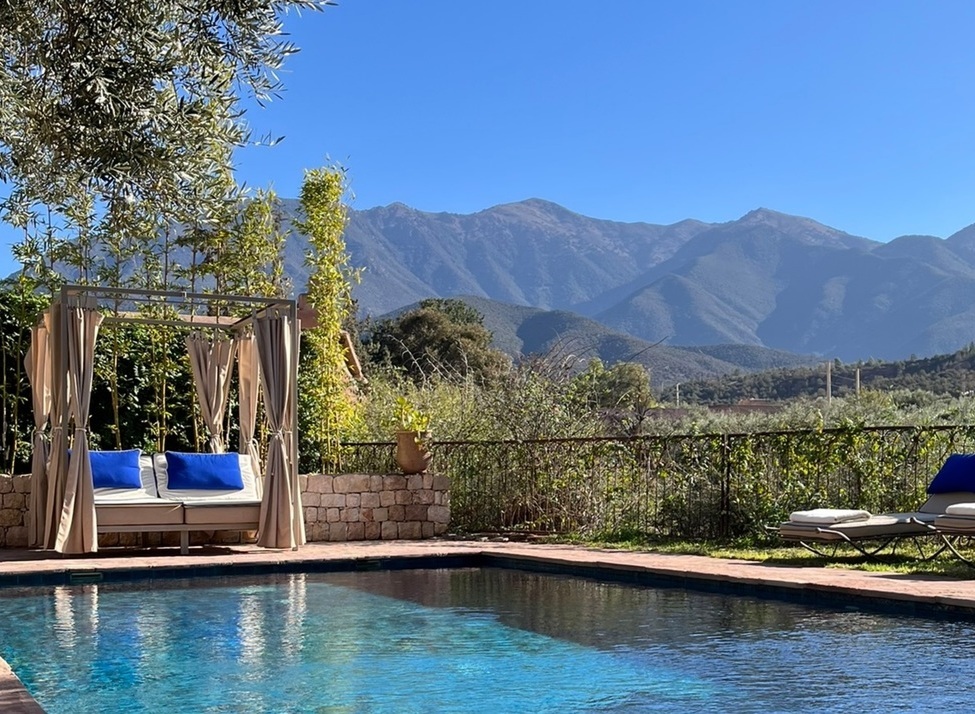
Olinto
Escape to the mountains
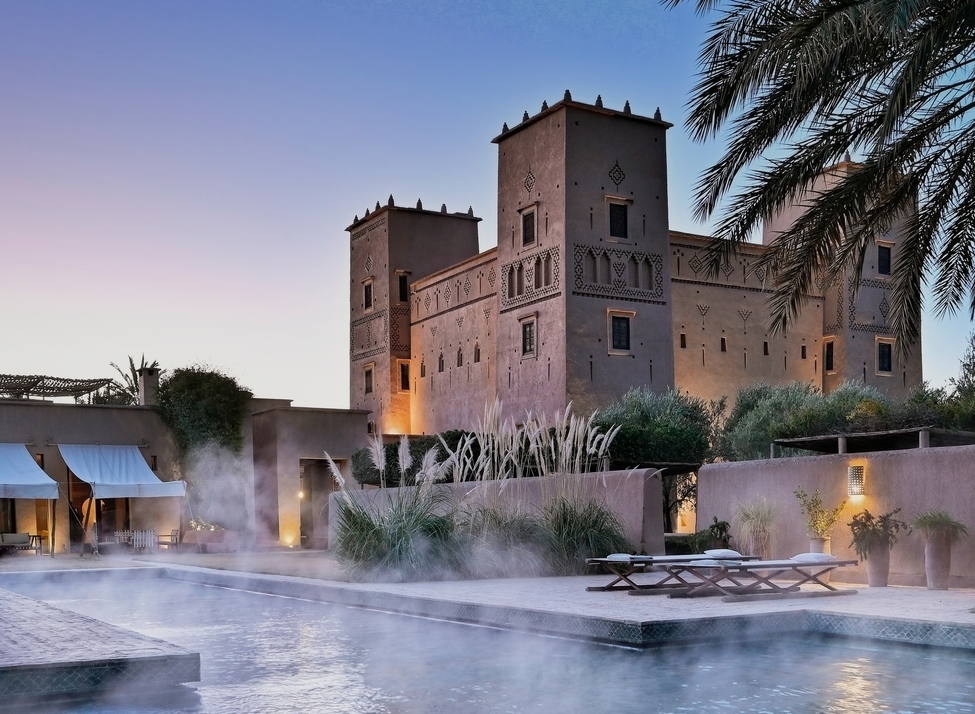
Dar Ahlam
A beautiful oasis retreat
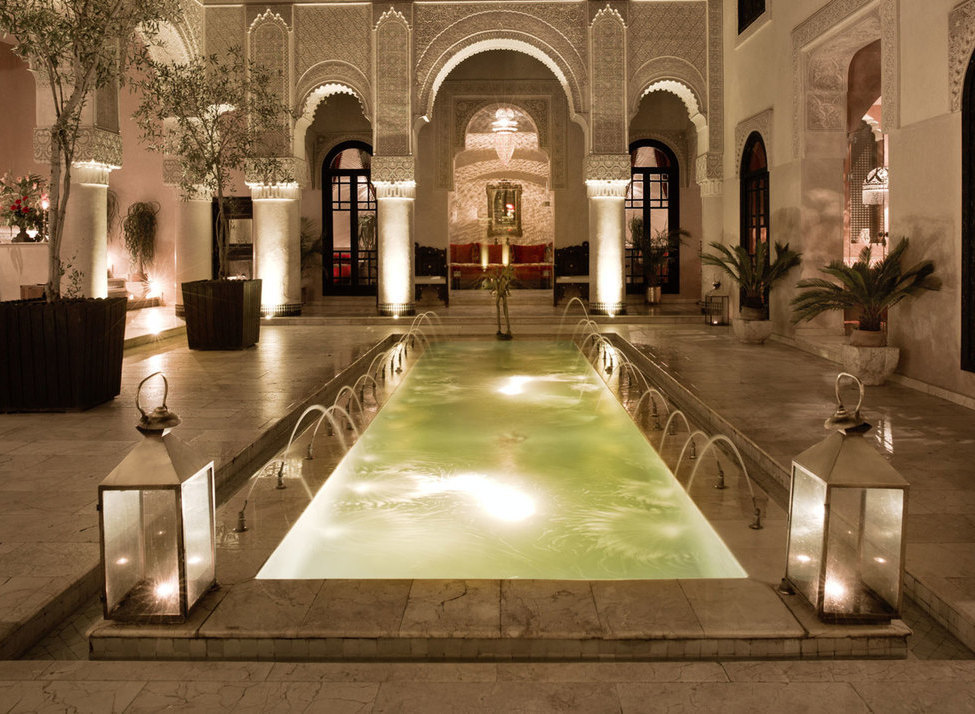
Riad Fes
Riad Fes is a hotel in Fes, Morocco.
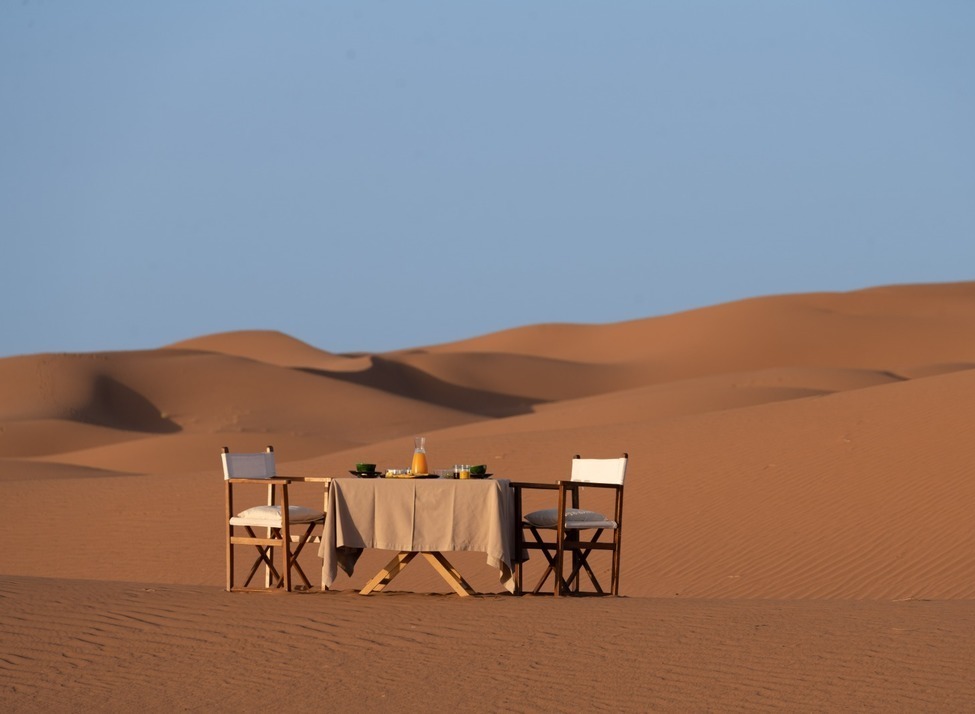
Dar Ahlam Nomad, Zagora
A private and romantic camp
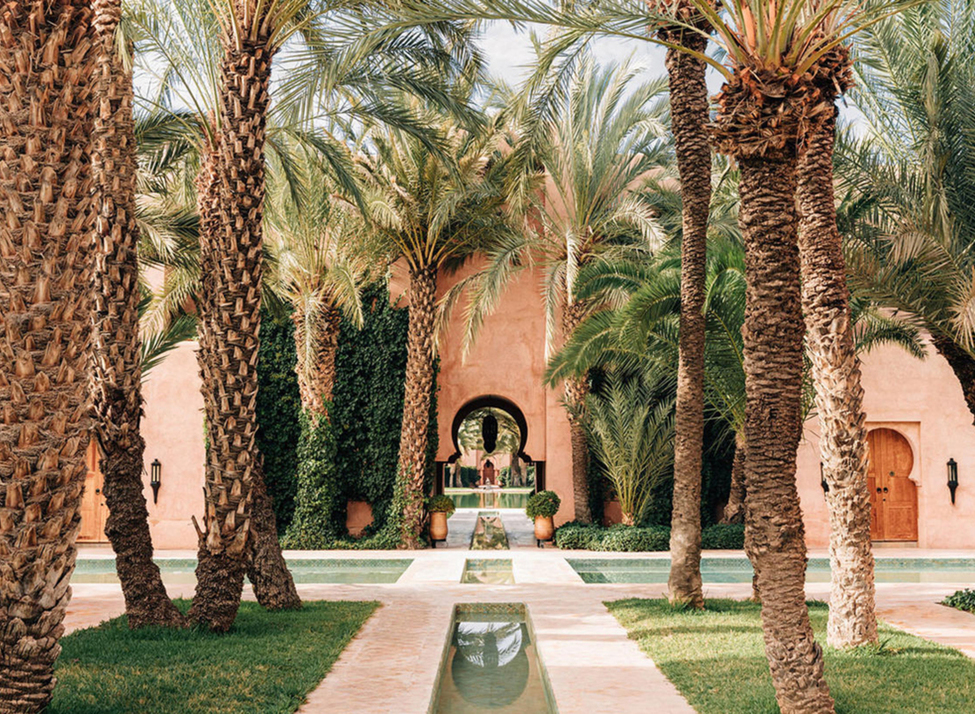
Amanjena
Amanjena is a place to stay in Marrakesh, Morocco.
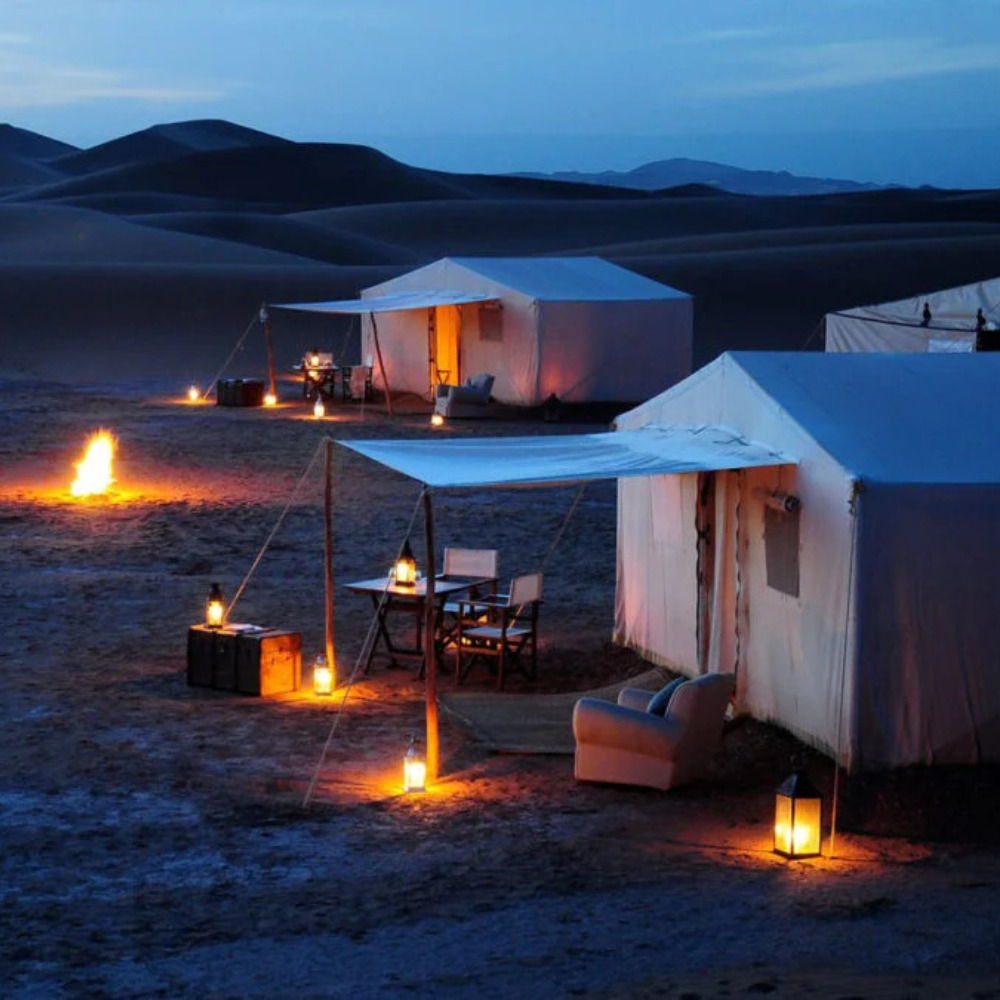
Azalai Desert Camp
Caravan tents combine Moroccan and French decor
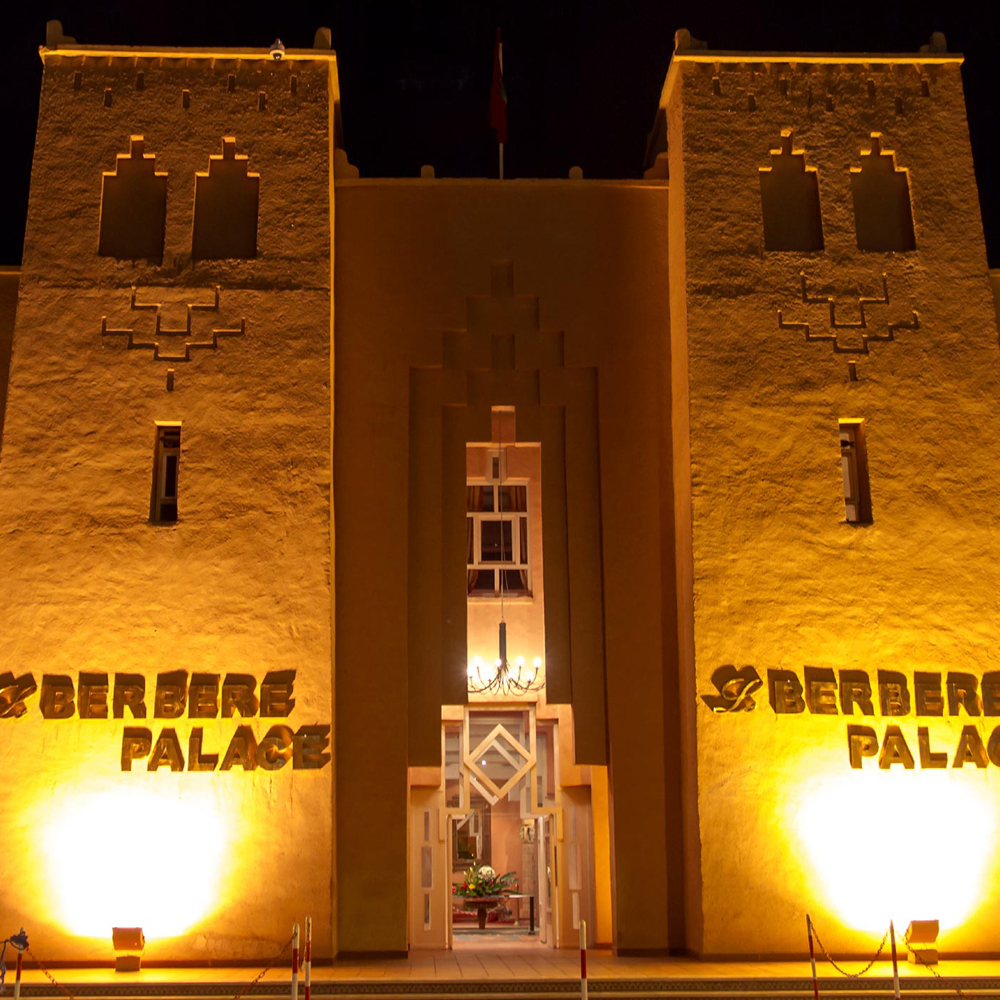
Berbere Palace
Sumptuous and colourful
Dar Ahlam Dunes Camp
Dar Ahlam Dunes Camp is a camp in Moroccan Sahara, Morocco.
Ready to start planning?
Tell us what you have in mind and our travel designers will shape the first ideas with you.
Start planning