The Culture, History and Heritage of China
- Duration
- 15 days
- Price guide
- From $18,517 per person
Trip highlights
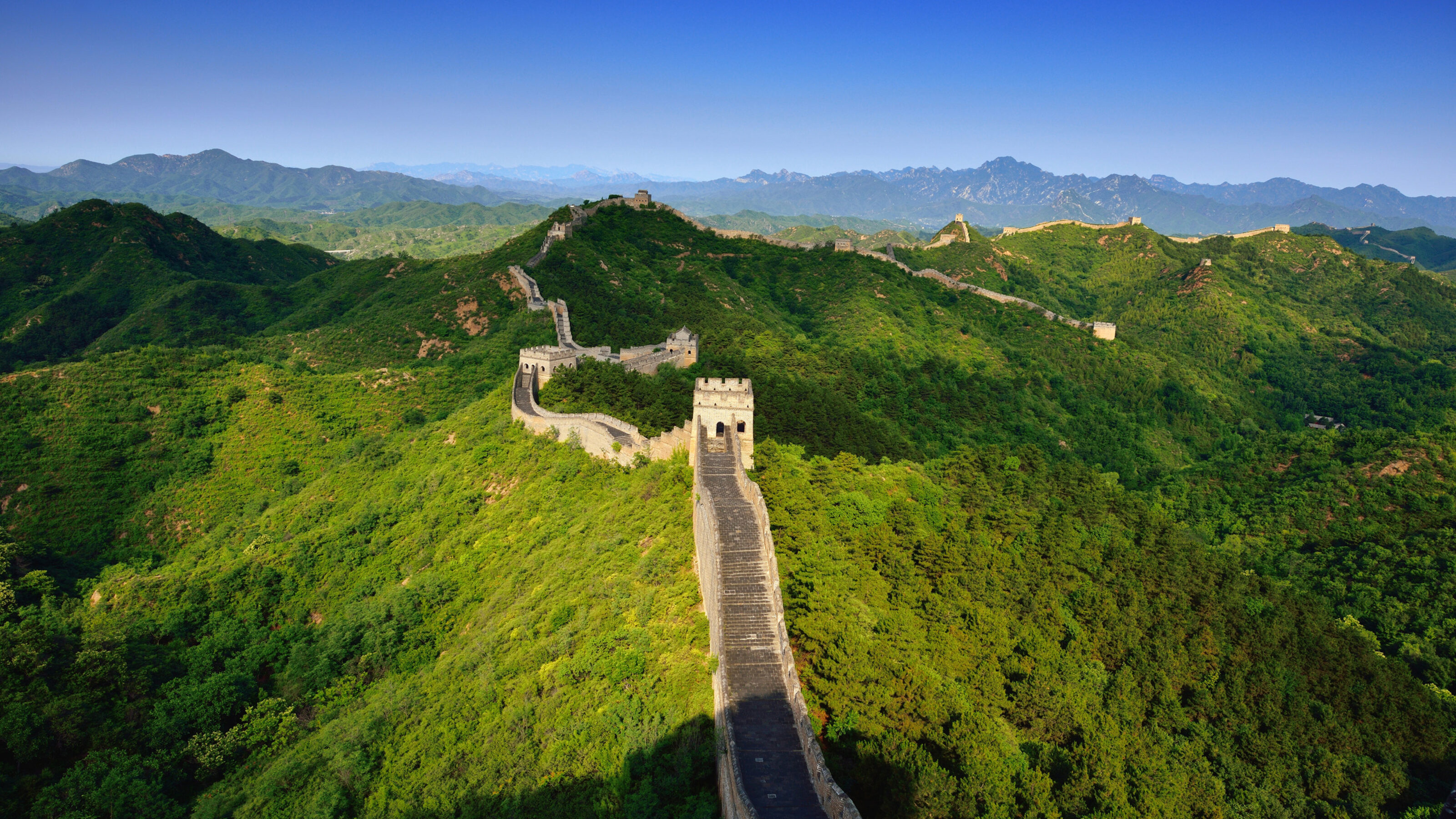
- Walk the iconic Great Wall of China
- Discover Lijiang's UNESCO-listed old town
- Hike the serene Cangshan Mountain
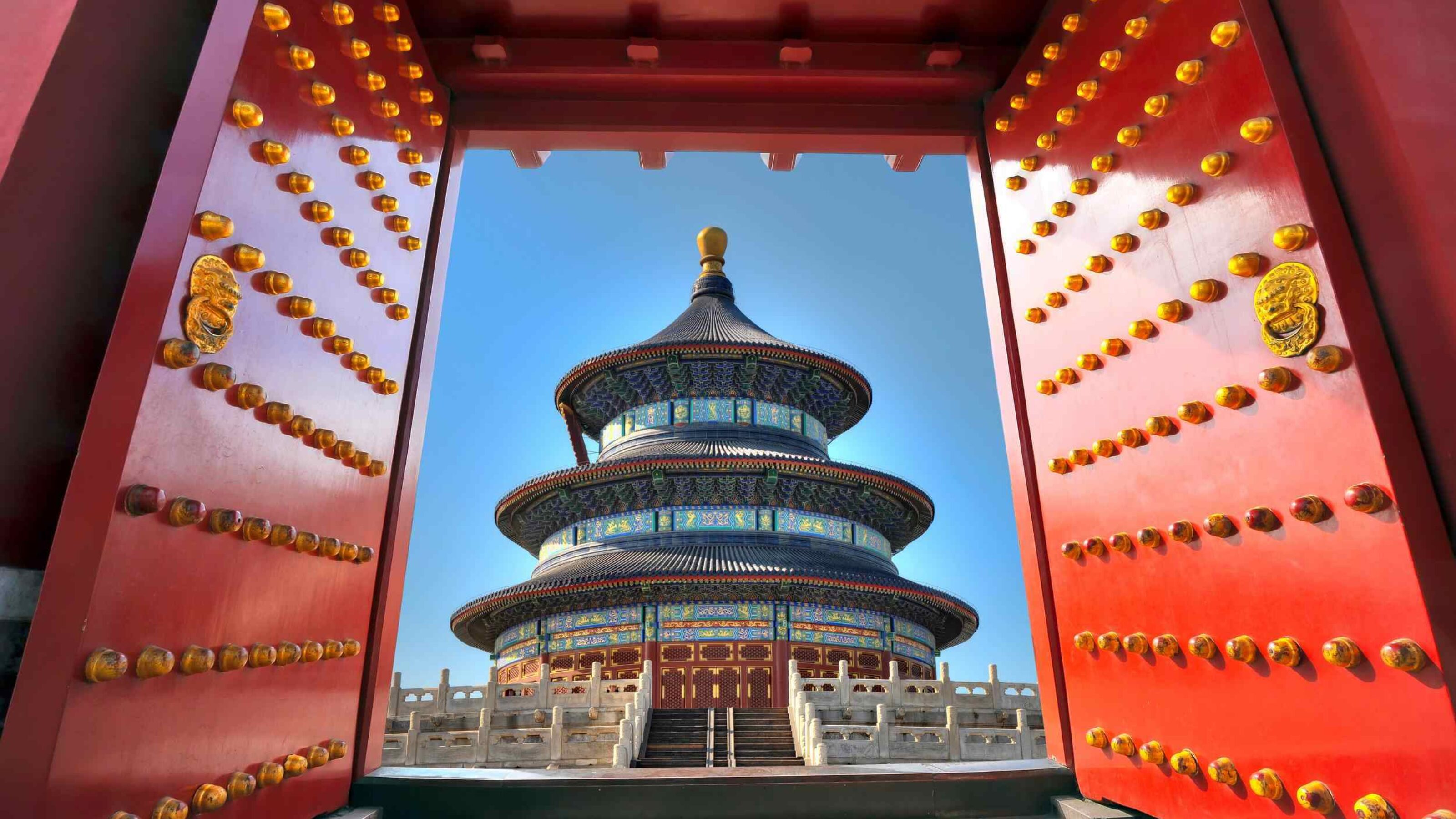
- Learn tai chi at Beijing's Temple of Heaven
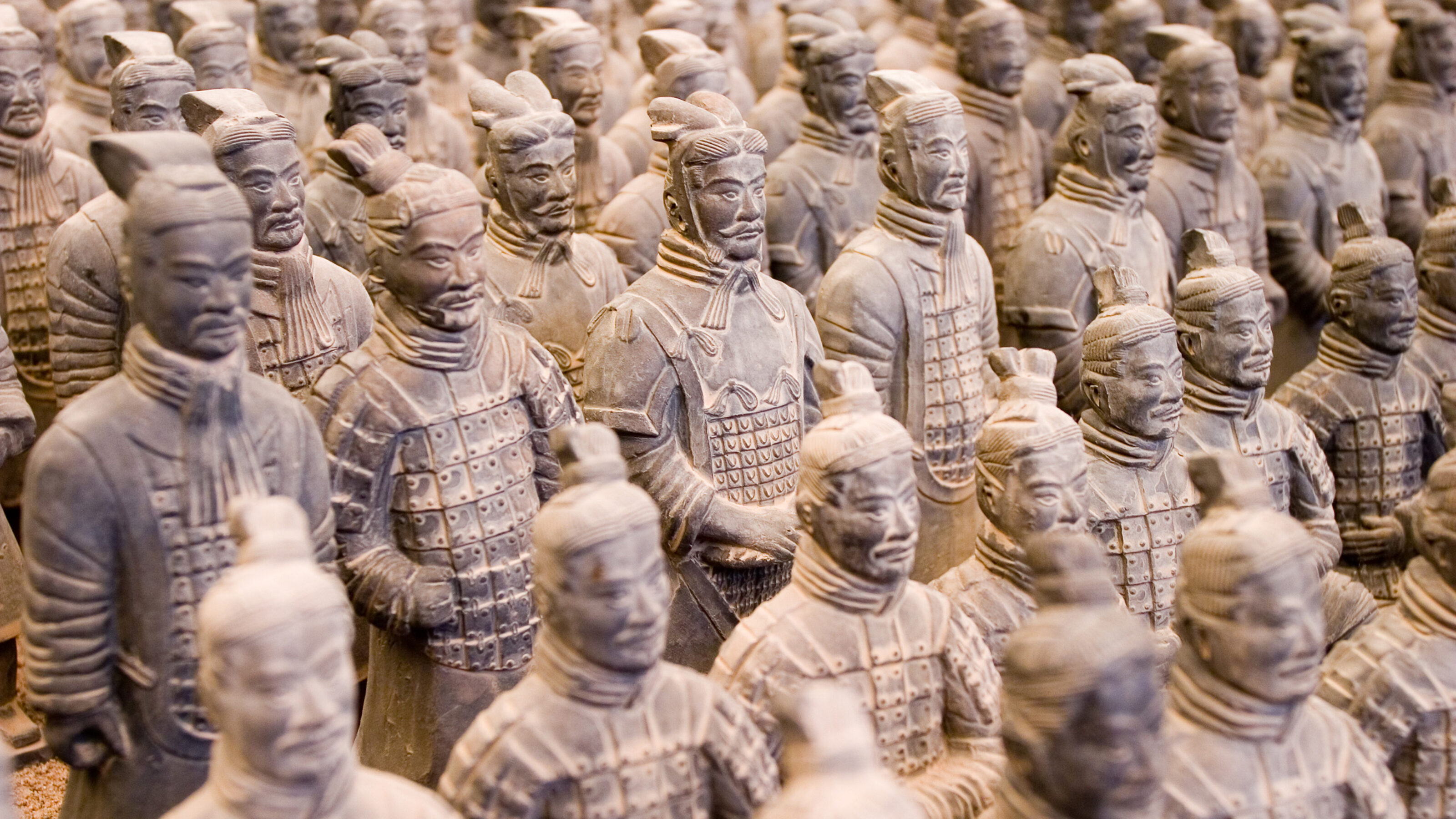
- Discover the wonder of Xi'an's Terracotta Warriors
- Let Tiger Leaping Gorge take your breath away
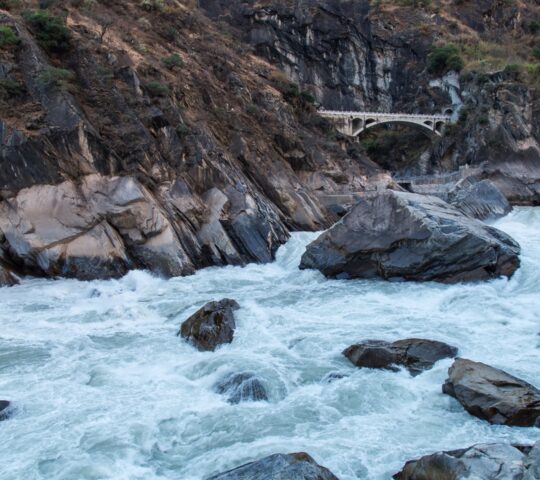
The fast-flowing waters of Tiger Leaping Gorge 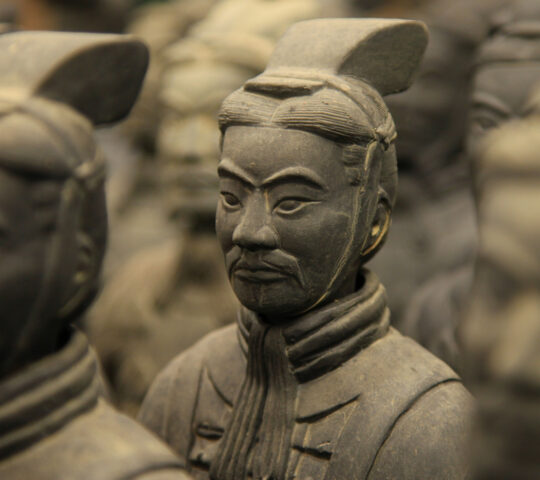
Xi'an's Terracotta Warriors up close 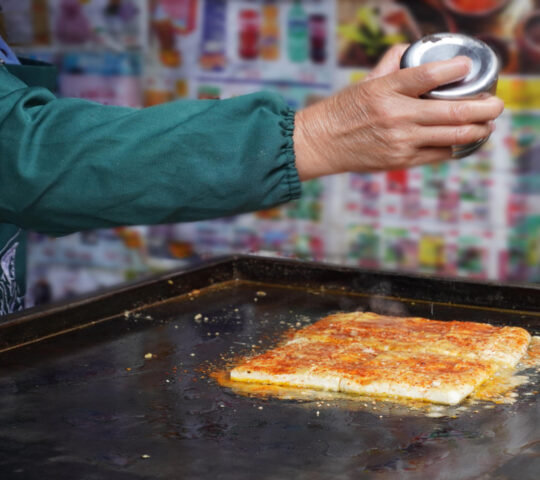
Sampling street food in Lijiang 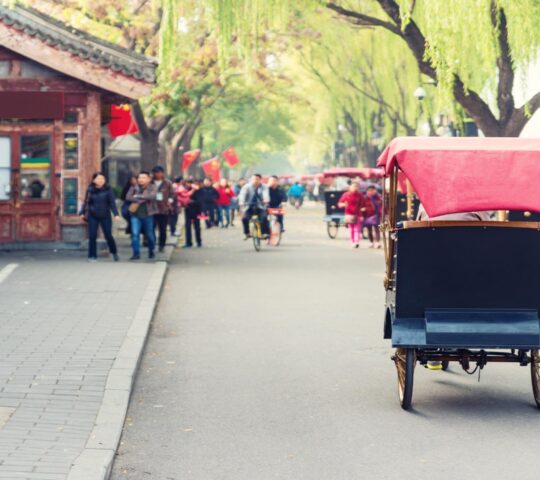
Soaking up traditional life in Beijing 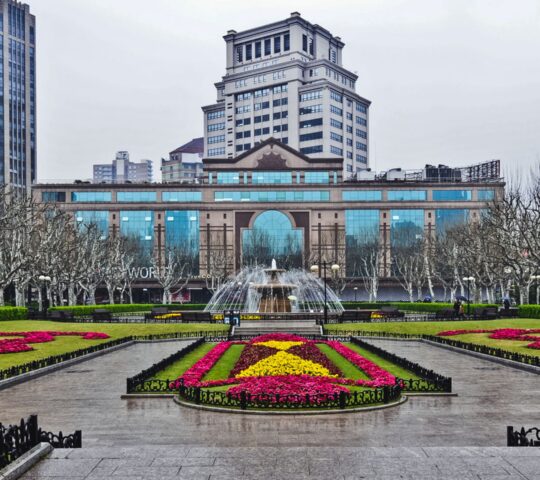
Exploring the French Concession in Shanghai
Our bespoke trips include
We design one-of-a-kind journeys incorporating luxury in all its forms. Our bespoke trips include:
- Luxury accommodation throughout
- Privately guided tours
- Private transfers
- Meticulously selected experiences
- Expertise and support from your Jacada Concierge

Itinerary in detail
Every trip is shaped around you. Below is a sample route to start from; we change any part of it to suit you.
Days 1-4
Starting your trip in Beijing
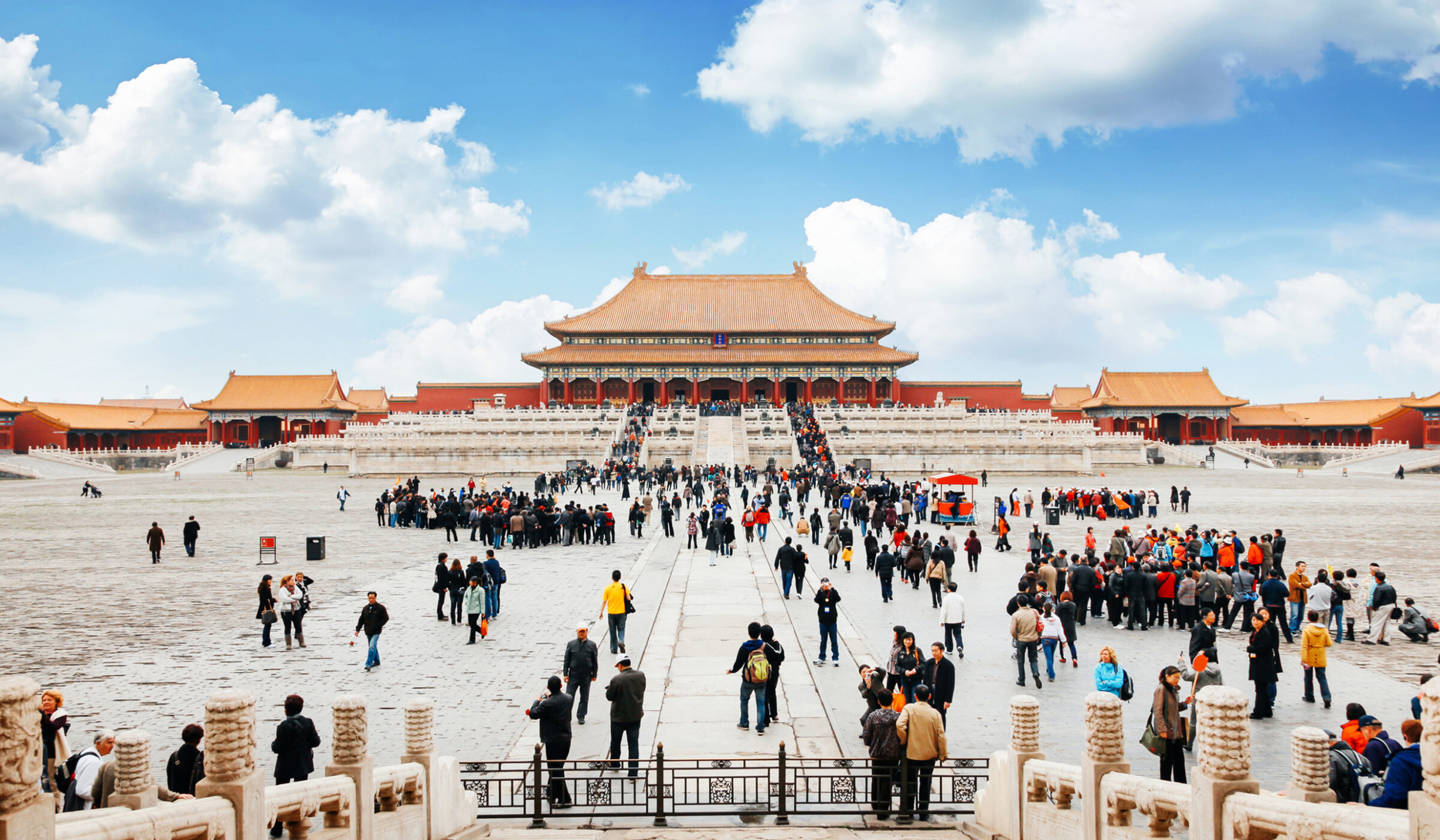
Start your trip in the capital Beijing, where you can step inside the Forbidden City, a massive imperial palace once home to China’s emperors and the geographic center of this endless metropolis. The gates were shut to all but the royal household and their entourage of eunuchs and concubines for 600 years until, in 1924, a powerful warlord gave the last emperor just three hours to leave. Beyond the imposing red walls to the south lies Tiananmen Square, where, Chairman Mao, China’s most powerful ruler lies embalmed in a glass coffin within his own giant mausoleum.
Beyond, Beijing’s hutong alleyways, a crisscrossing mazes of courtyards and alleyways, make up the heart of the city. You’ll see elders whiling away the night with a game of Chinese chess or mahjong, shopkeepers selling traditional snacks like jianbing (pancakes) and baozi (steamed buns). It is in these ancient neighborhoods where the capital’s distinct culture was generated and where it continues to thrive today.
Where you could stay
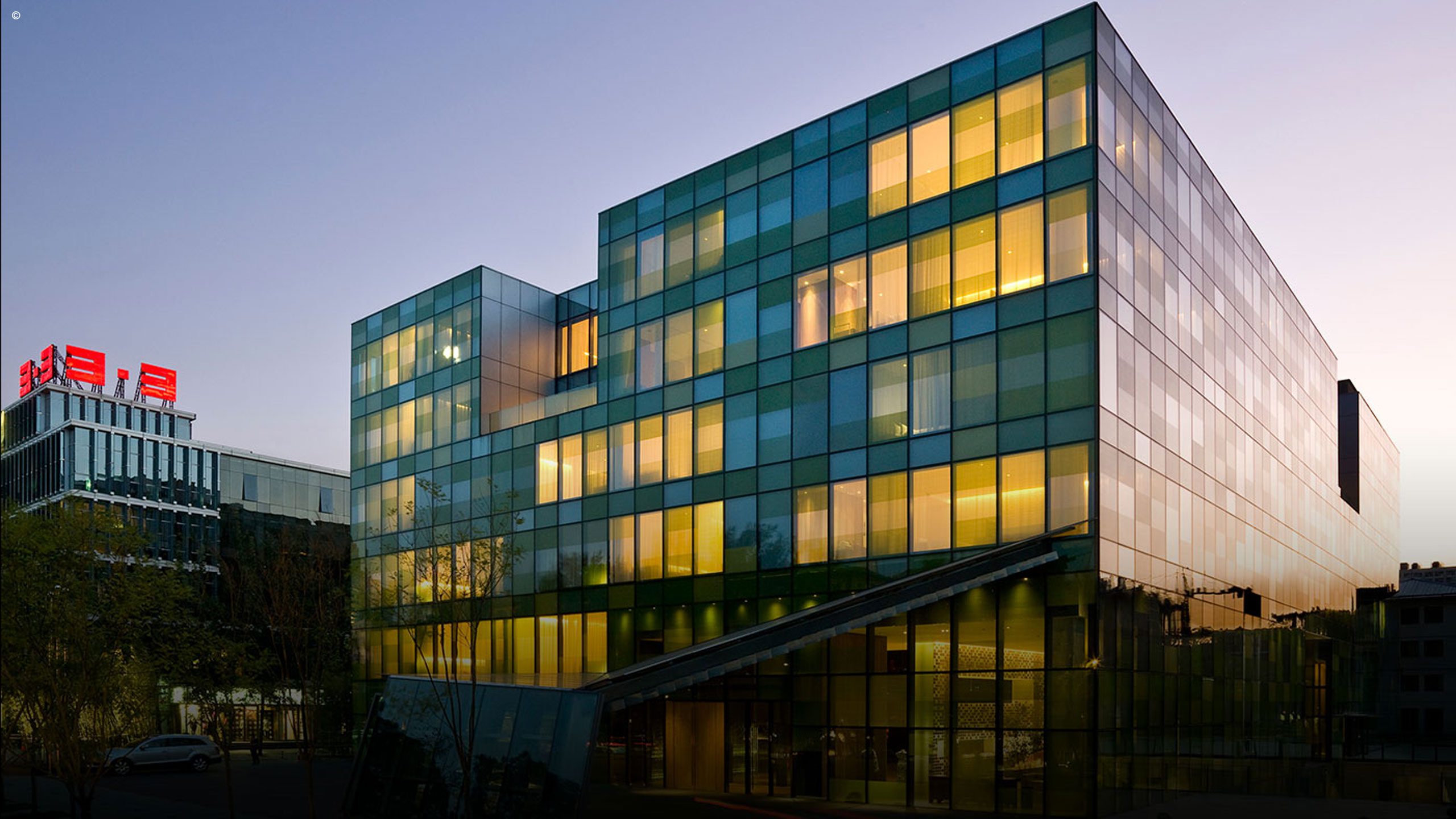
The Opposite House
Opposite House is a place to stay in Beijing, China.
Days 5-6
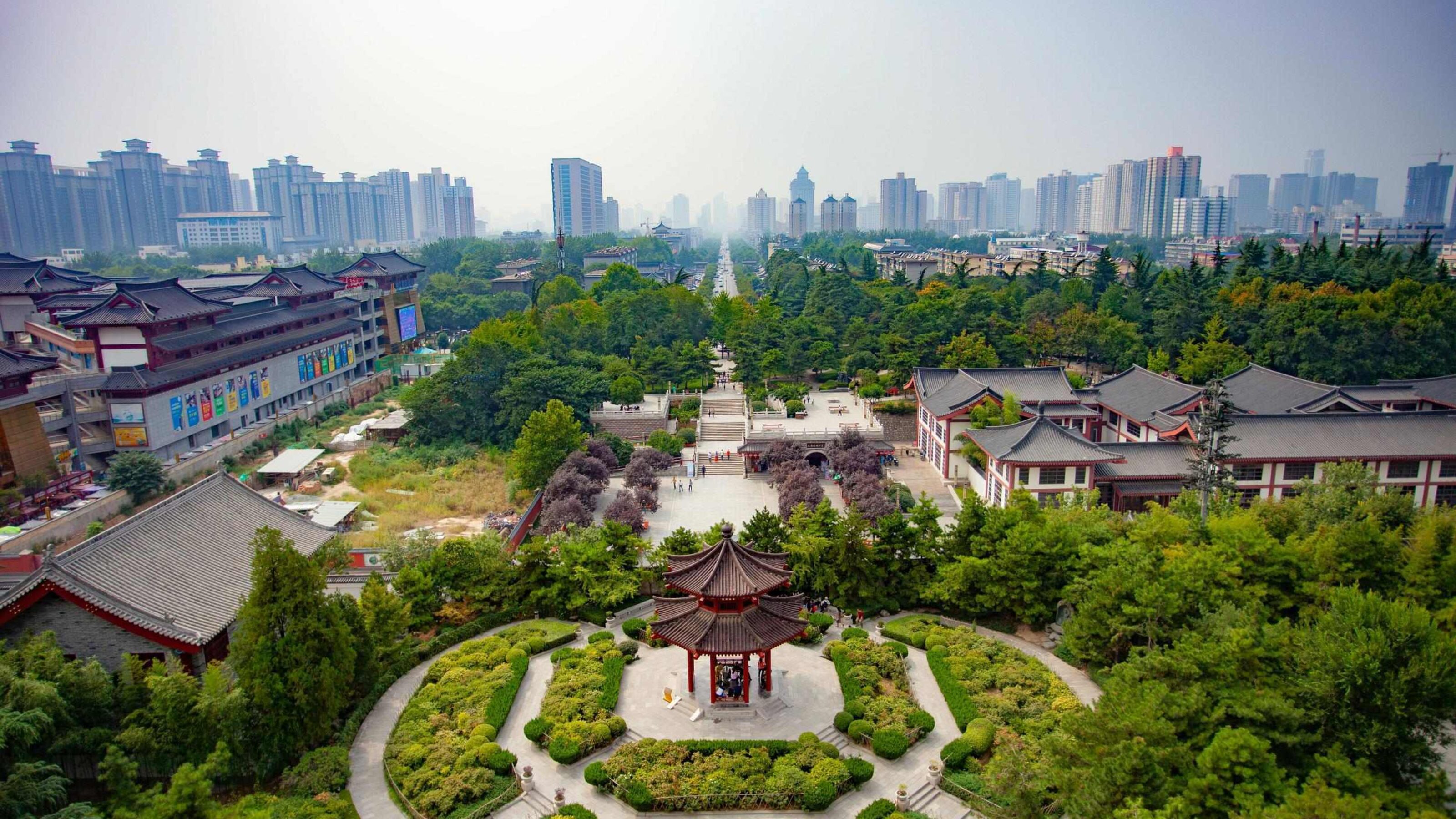
Discover the wonders of Xi’an
In Xi’an, you’ll not just visit the world-famous Terracotta Warriors, gaining incredible visual insight into the beginnings of the Qin Empire, but explore the fascinating city itself.
Ascending to an imperious height of 12 metres, the city walls mark the only way in or out of downtown. These are the oldest, largest, and best-preserved city walls in China – and the best way to experience the fortifications is by walking on top of them. Next, head on to the Muslim Quarter and the Great Mosque, their origins dating back to when Islam flowed along the Silk Road into China 1,300 years ago. Entering the elegant mosque grounds at sunset, you might mistake the undulating roofs and colonnaded halls for a Chinese temple until the evening call to prayer confirms that this is instead a potent fusion of Chinese and Islamic culture.
Lastly, no trip to Xi’an is complete without some superb dining. Xi’an claims to be the birthplace of Chinese dumplings, and whether or not that’s true, local chefs have elevated the humble staple to the most sophisticated culinary heights.
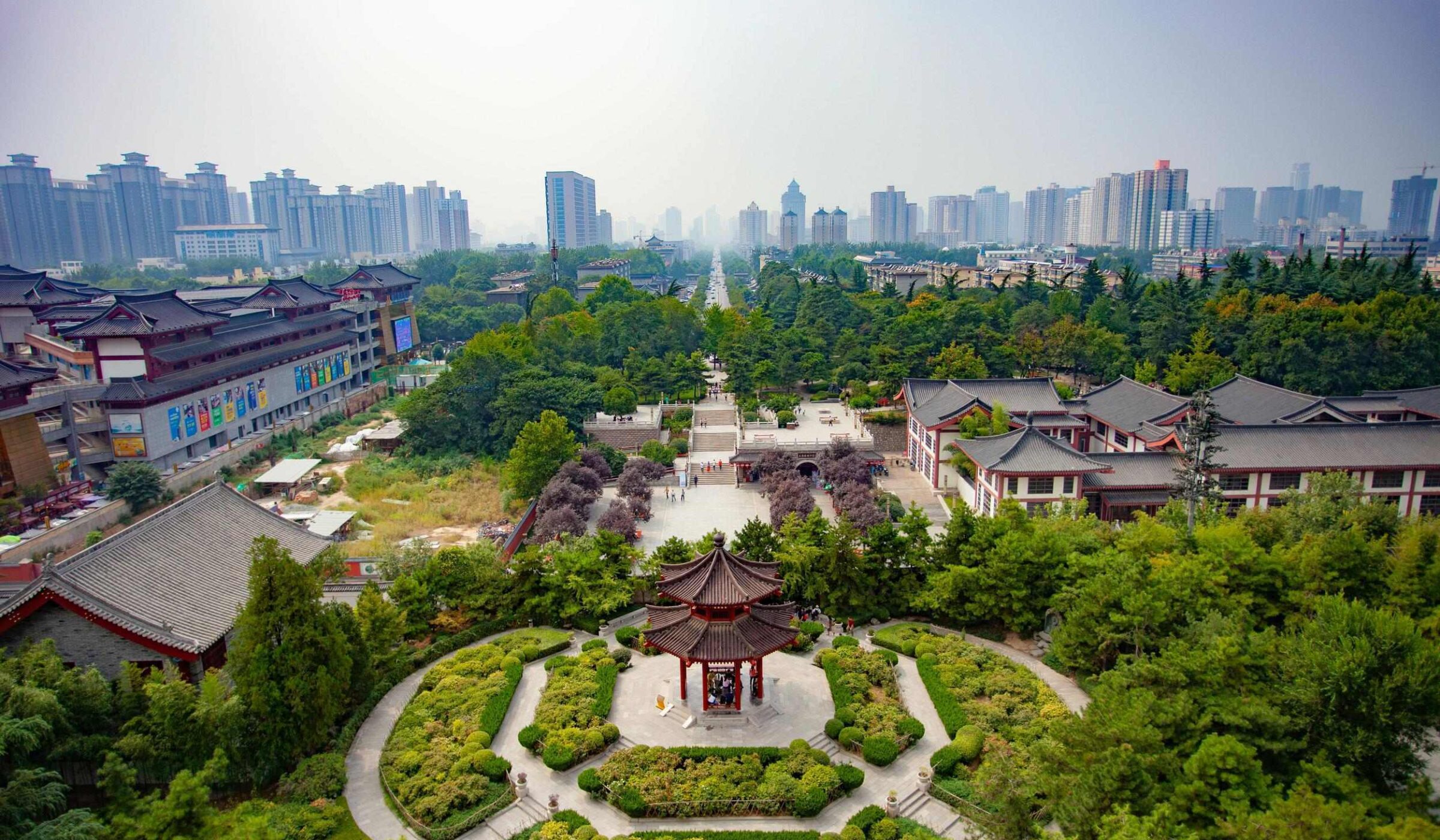
The Terracotta Warriors
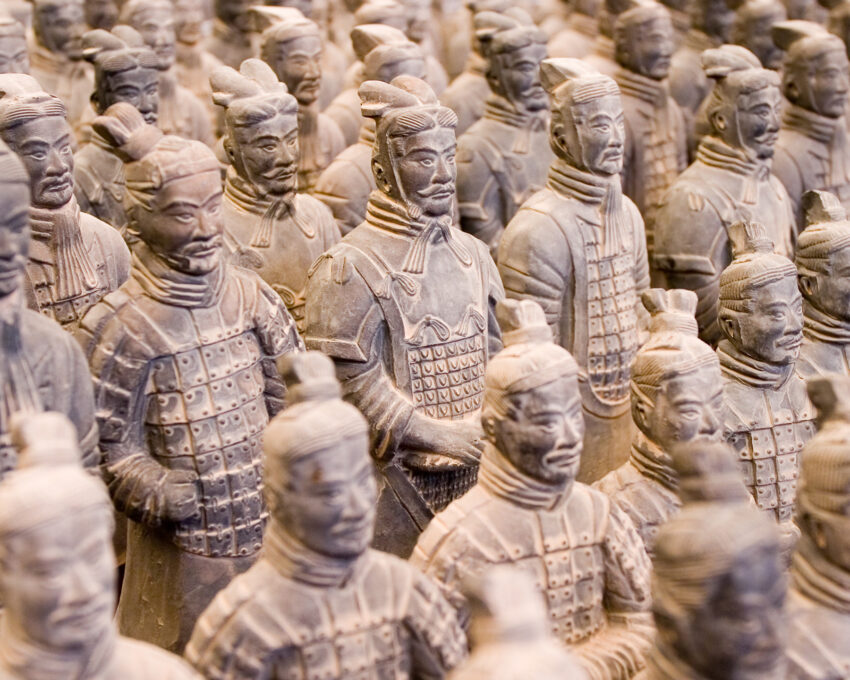
In 1974, a few farmers stumbled upon the remarkable Terracotta Warriors by accident, a mistaken discovery that ended up being one of the greatest archeological finds in history. Inspired into creation thanks to Qin Shi Huangdi’s fear of malevolent spirits, this grand mausoleum houses the emperor’s immense army of infantrymen, archers and cavalry riders to protect him in the afterlife. Each of the warriors has a different face from a soldier during the Emperor’s life. The statues are viewable in three separate areas, with an expert guide on hand to lead you through the thousands of statues and the small museum.
Days 7-9
A visit to Dali and Shaxi
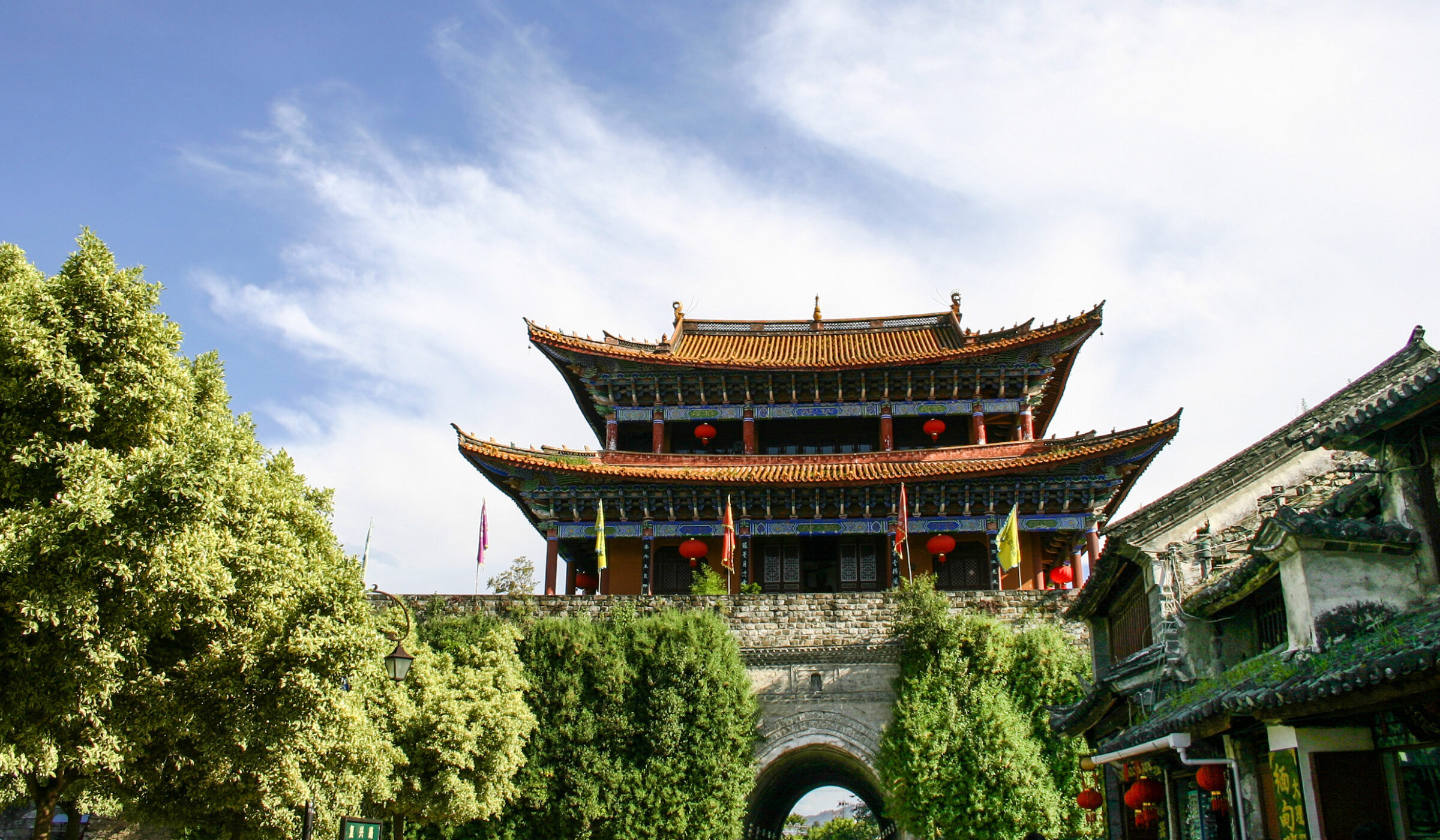
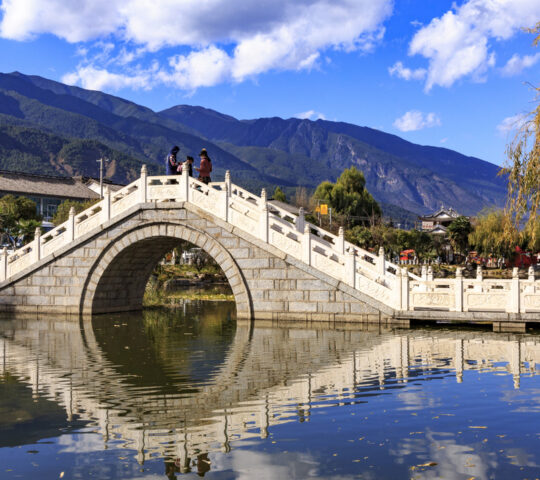
Enter a world of traditional handicrafts and Bai architecture as you stroll along the cobbled streets of Dali Old Town. Protected from bandits and invaders by 6-meter-deep stone walls, Dali was once an important outpost on trade routes that spanned Tibet and Southeast Asia and has been the center of the Bai universe for more than a thousand years. Today, this charming checkerboard town of crisscrossing streams and lanes has become a popular stop-off, and you’ll no doubt find yourself swept up in Dali’s irresistibly laid-back vibe.
You’ll then travel on to Shaxi, a beautifully preserved market town nestled in the idyllic rural landscape halfway between Lijiang and Dali. The town was once a bustling outpost where horses and tea, among other goods, changed hands. With Buddhist grottoes, lively weekend markets, and delightful rural cuisine sourced straight from the surrounding farmland, Shaxi is packed with cultural intrigue and pastoral charm.
A rushan making class in Xizhou
In Xizhou, a traditional Bai village on the shores of Erhai Lake, you can explore local markets and take in the beautiful buildings, learning what makes Bai architecture unique. Peer into the courtyards of white-walled mansions then, after exploring the wet market, get ready for an education in making rushan, a dried, cow’s milk cheese which is rolled and fried before eating.
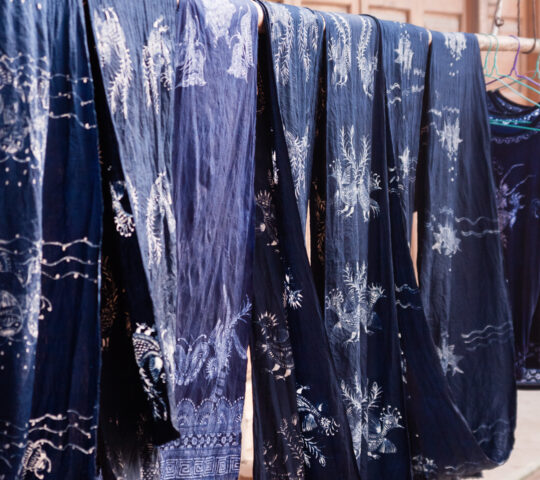
Learning about tie-dye in Zhoucheng
A resplendent artisan village resting at the base of Cangshan Mountain, Zhoucheng is renowned for its unique tie-dye products. You’ll see up close how indigo-based dyes are used to transform white cotton fabric into a dazzling variety of patterns and scenes, using the same simple stick tools and rubber bands that have been part of this art form for centuries.
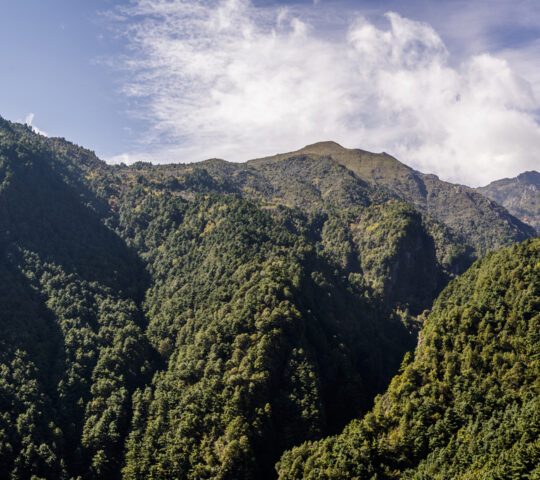
Hiking Cangshan mountain
To the west of Dali rises Cangshan mountain, a collection of 3,500m peaks which offer epic views of the town and lake sprawling through the valley below. Only in 1991 did construction begin on the Jade Cloud Road, a paved and sometimes precipitous walkway which leads you high up the mountain, past waterfalls and through secluded temples. The hike usually takes around 2 hours with an opportunity to camp for the most intrepid.
Days 10-12
Learn about Naxi culture in Lijiang
Defined by an intricate network of canals and cobbled lanes, atmospheric Lijiang Old Town constitutes a dreamlike scene, and it is that charm, along with its inscription onto UNESCO’s World Heritage List in 1997, that makes this town such a popular and rewarding destination. Explore the Old Town with a guide, heading down some of the quieter lanes before they fill with visitors.
You can dive into the detail of the local Naxi culture with a stop at the small but excellent Dongba Cultural Museum. The undisputed highlight is the Naxi script itself, a system of picture writing so creative that some texts can only be understood by whoever who wrote them.
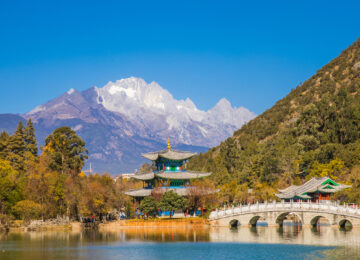
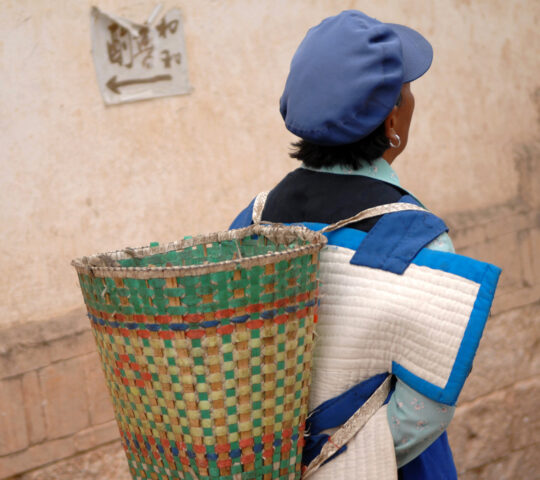
Yuhu Village
A 30-minute drive from the center of Lijiang, Yuhu Village is a small community at the base of Jade Dragon Snow Mountain. There, you’ll visit the home of Joseph Rock, Austrian-American botanist and explorer, known for chronicling the Naxi people. Yuhu’s stone buildings represent a unique architectural style, their windows overlooking pristine alpine meadows, summits rising in the distance.
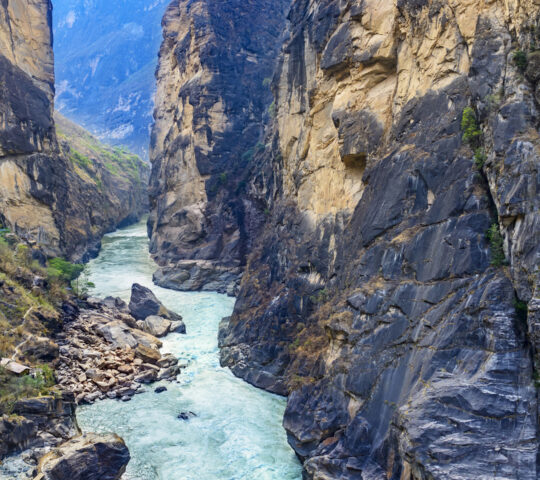
Tiger Leaping Gorge
Legend has it that whilst fleeing a hunter through the mountains of northern Yunnan, a tiger leapt across the raging rapids blocking its escape. This is how Tiger Leaping Gorge got its name, but its reputation comes from epic hiking trails shared with local shepherds and farmers that deliver views of outstanding natural beauty below. The hike is not for the fainthearted, after all, this is one of the deepest gorges in the world at 3,790 meters deep.
Days 13-15
History and culture in Shanghai
In Shanghai you’ll get to know both the modern and historic sides of the city. Visit Fuxing Park, a vestige of the French colonial era, that’s now the beating heart of Shanghai’s local life, as you explore Shanghai’s former French concession. On a guided walk you’ll get to know every aspect of the city’s short but tumultuous history, dipping in and out of modern boutiques and chic cafes as you go. Your guide will lead you through old lanes still lined with Russian churches, British townhouses and even French châteaux.
In the restored facades of Xintiandi you’ll find the traces of an older Shanghai, hidden amidst an infusion of upscale, modern developments, while the Yuyuan Garden is a postcard example of a more traditional side to the country. Enjoy the beautifully manicured gardens, punctuated with rocks and trees, and interspersed with green ponds.
You can also uncover the complex stories of Shanghai’s Jewish Quarter, which went from a burgeoning business center and political haven to windswept ghost town in a matter of decades.
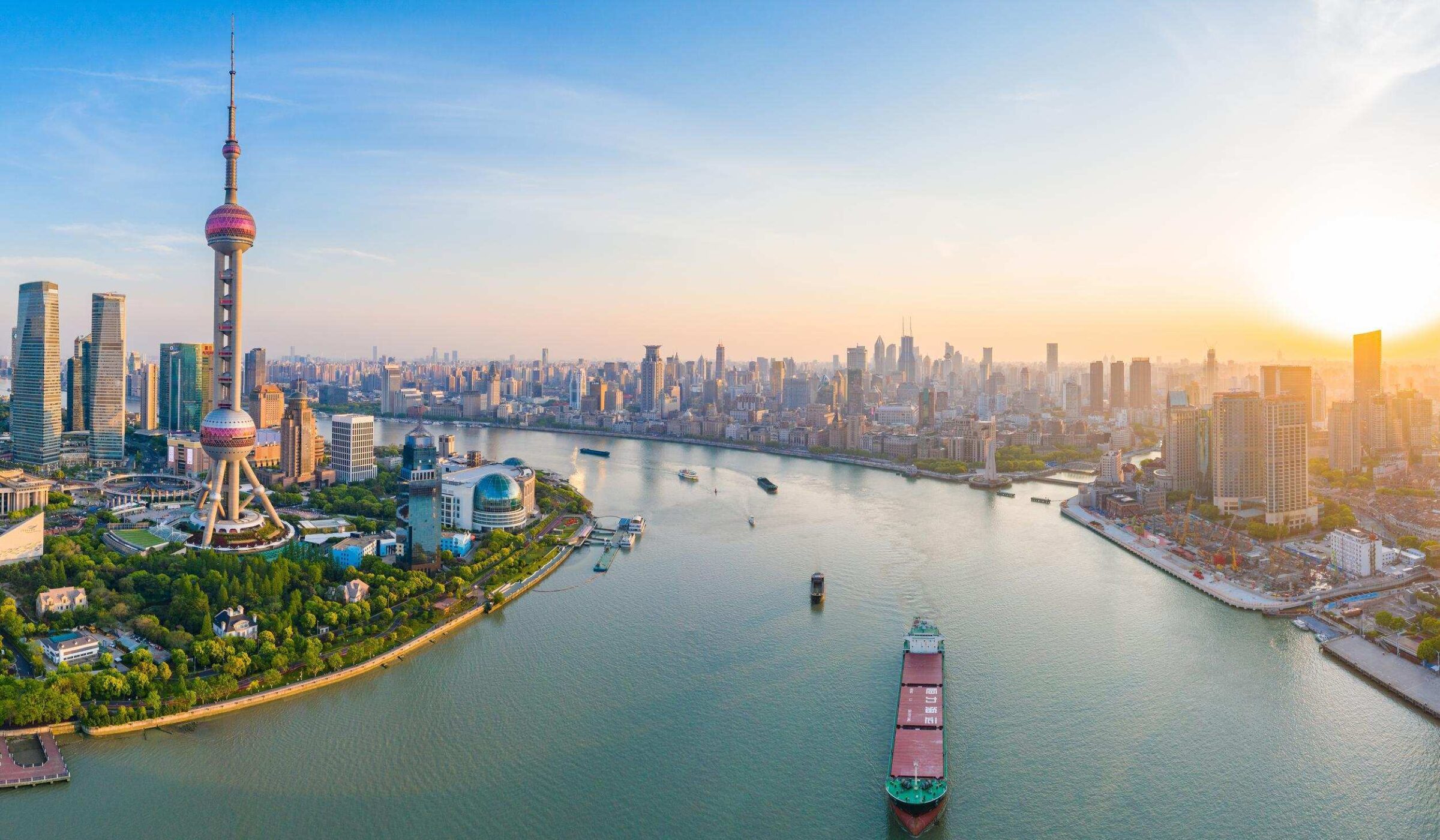
Where you could stay
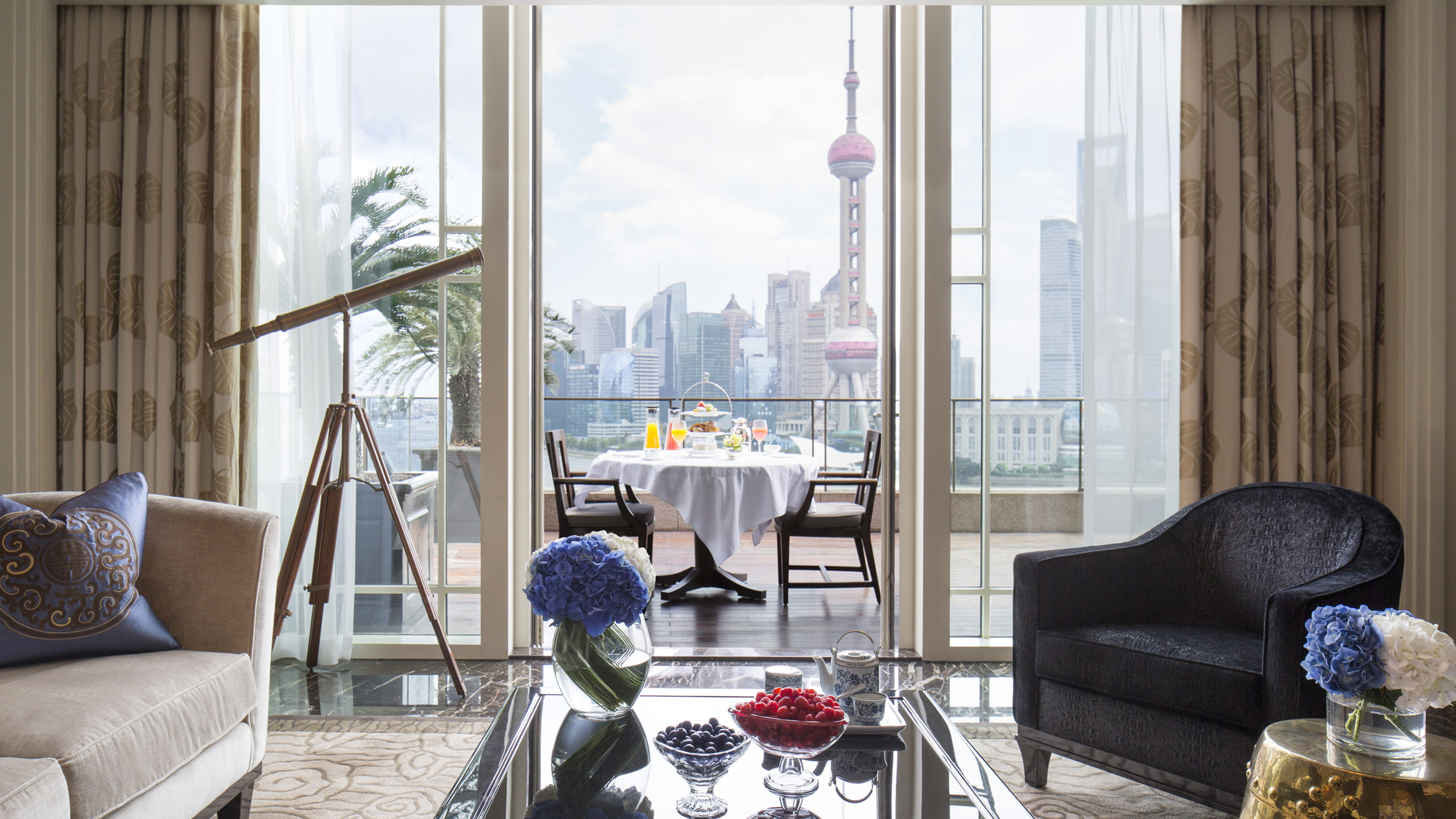
Peninsula Shanghai
Peninsula Shanghai is a place to stay in Shanghai, China.
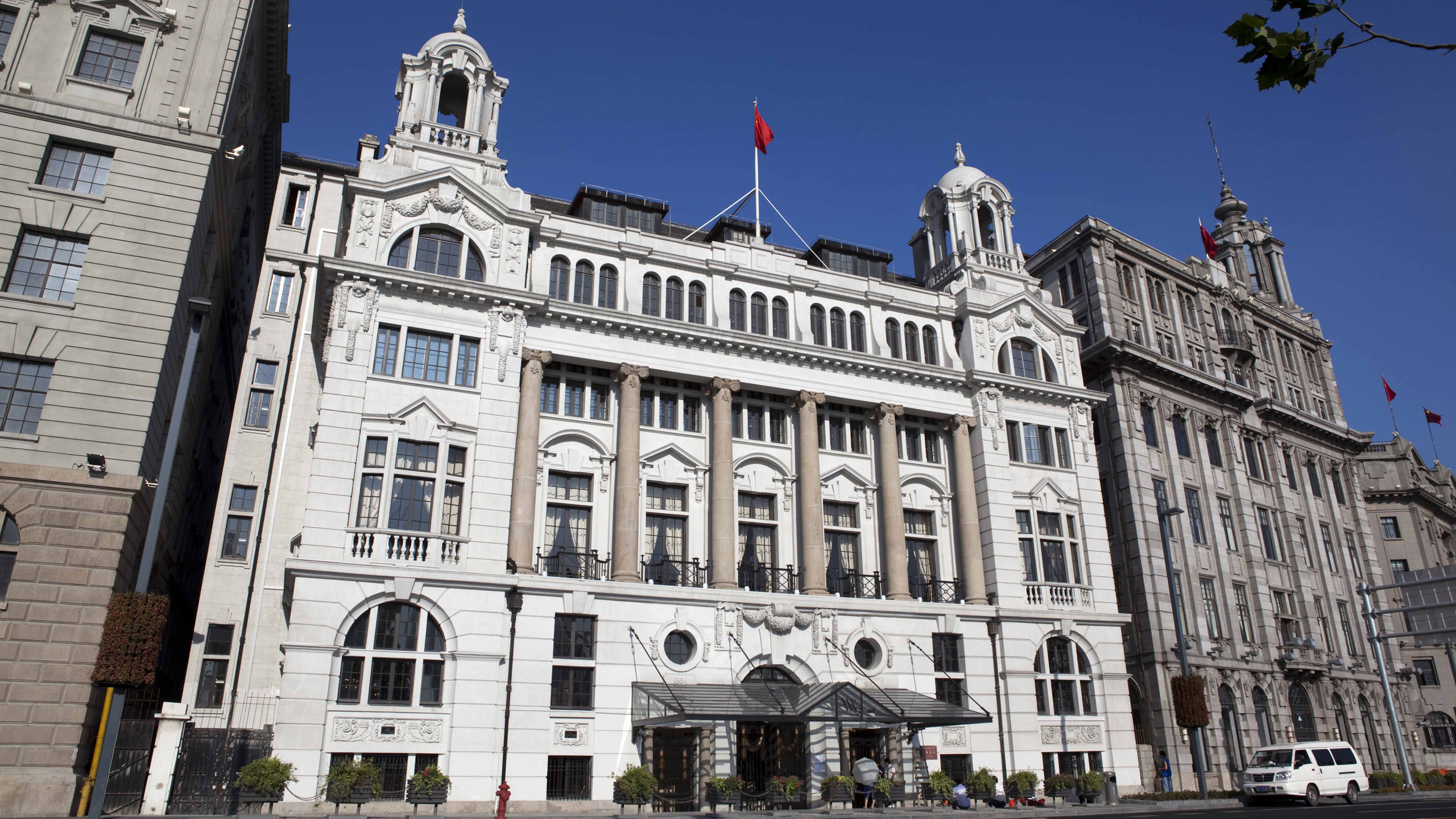
Waldorf Astoria Shanghai
Waldorf Astoria Shanghai is a place to stay in Shanghai, China.
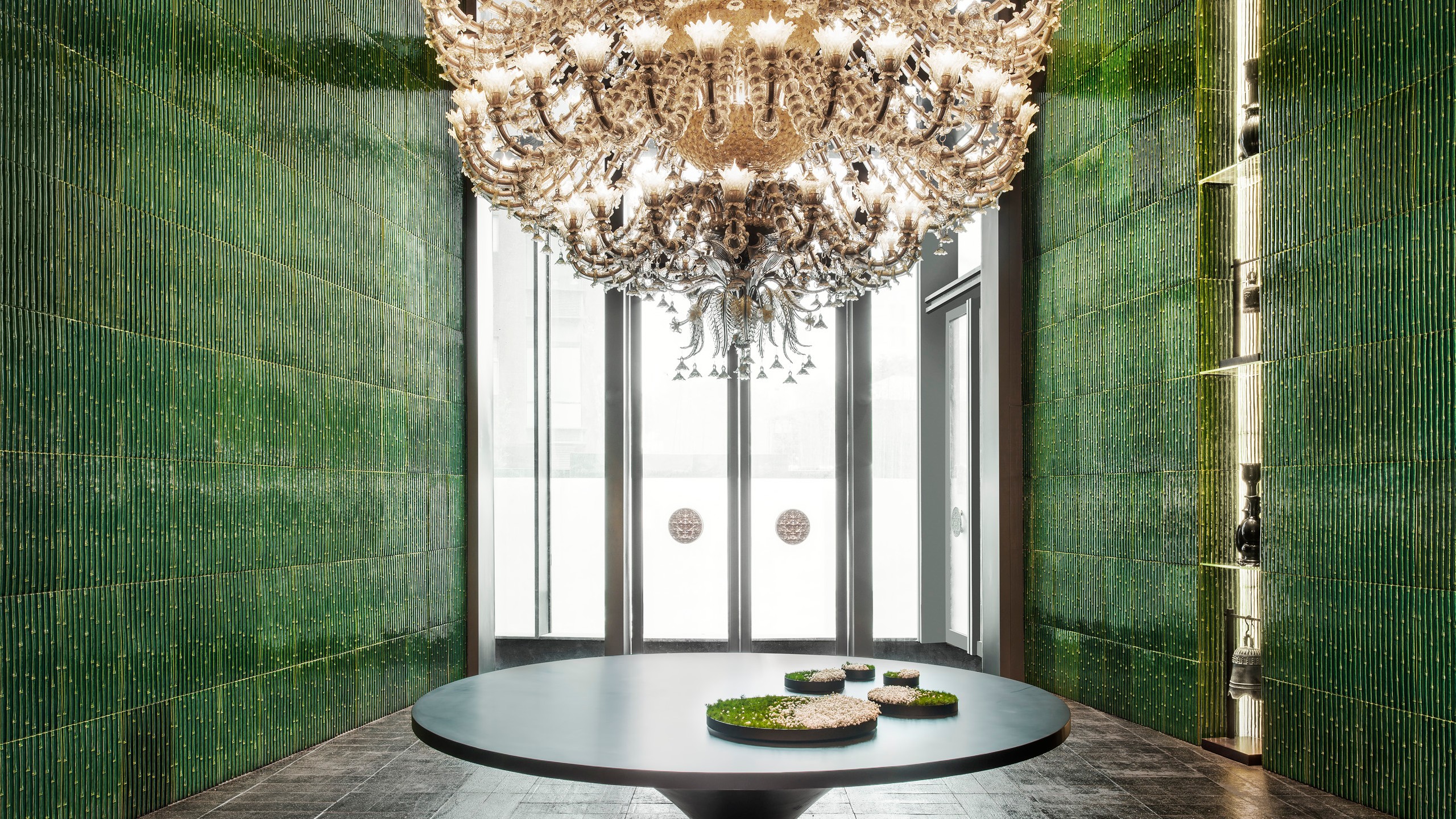
The Middle House
The Middle House is a place to stay in Shanghai, China.
The city's best views
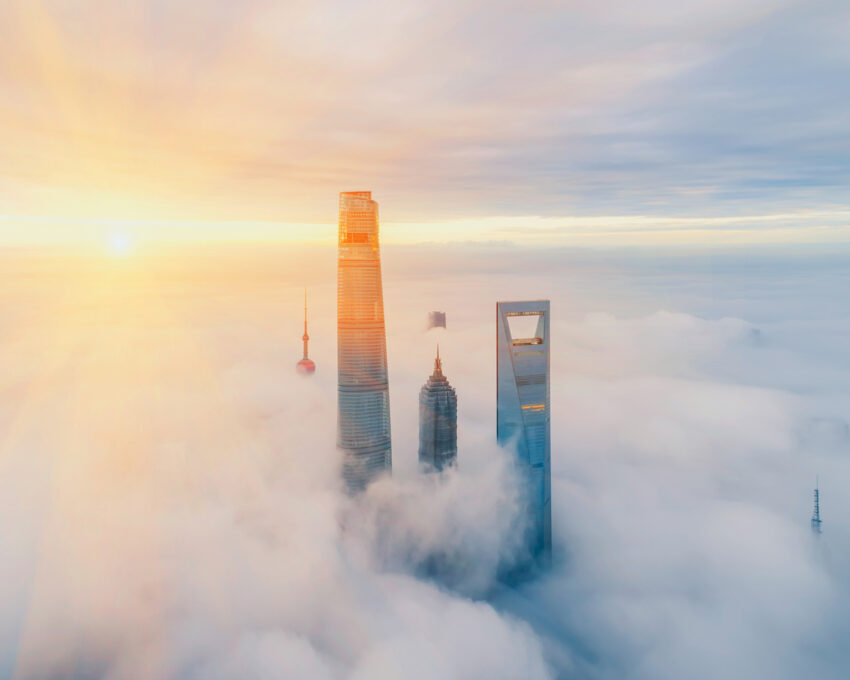
The world’s fastest elevator will take you to the 546-meter high observatory on the 118th floor of Shanghai Tower, where you will have a 360-degree bird’s-eye view of Shanghai’s renowned cityscape. China is a land of superlatives and nowhere exemplifies the extremes of this country better than the record-breaking Shanghai skyline. Allow yourself to be blown away by the views of one of the planet’s largest cities, all while learning about the architecture which makes these gravity-defying feats of engineering possible.
Start planning your trip
Please enable JavaScript to use the enquiry form, or contact us by phone or email.
Need more inspiration?

A Luxury Japan Adventure Tour on Land and Water
Luxury Japan adventure tours combine diverse landscapes with rich culture and wellness. Over 11 days, trek through the Japanese Alps, raft down a river gorge a…
Explore trip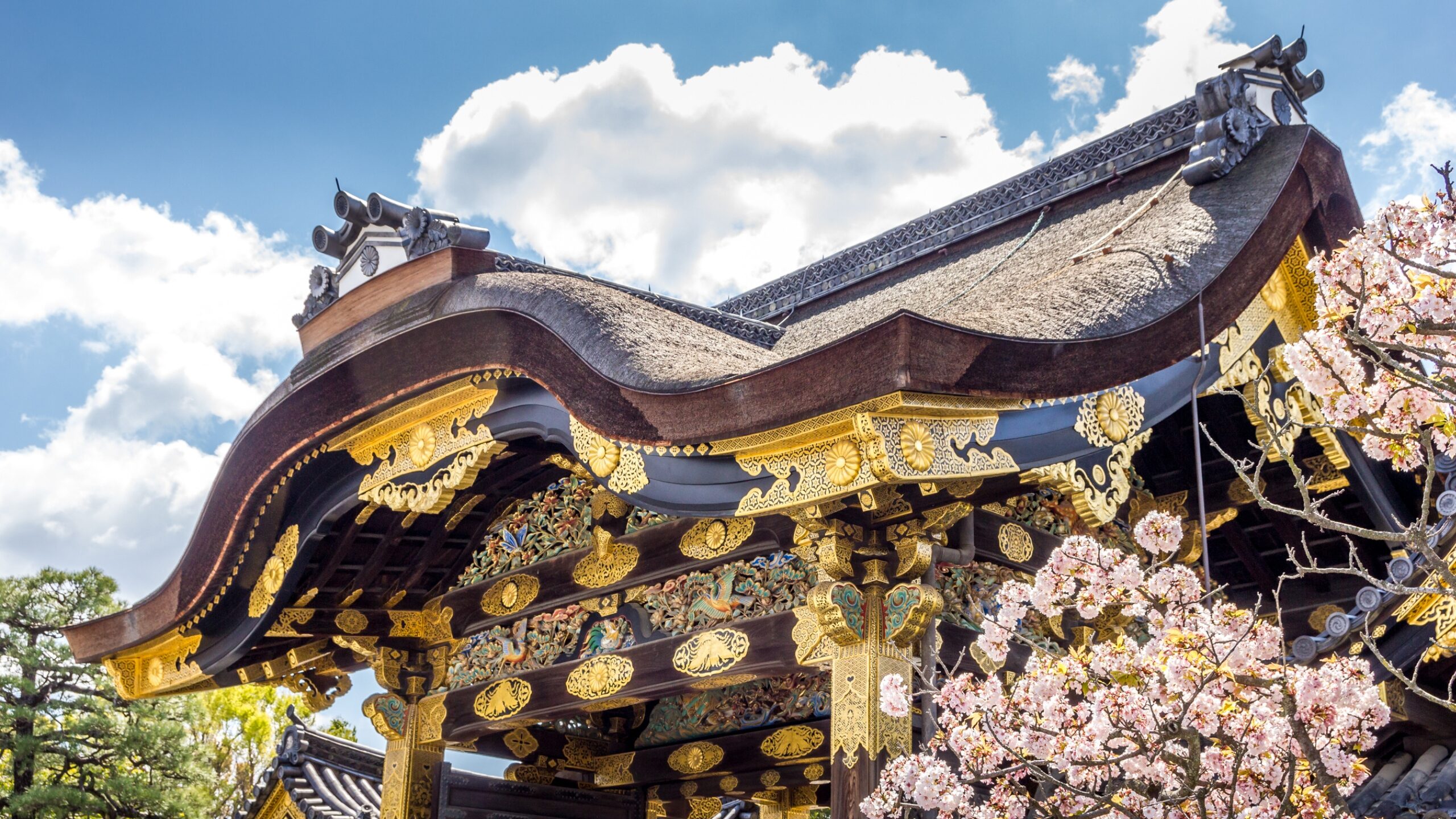
Luxury Japan and the Philippines: Culture and Beaches
Travel from the Land of the Rising Sun to an archipelago nation of pristine beaches with this luxury Japan and Philippines itinerary. After three days in excit…
Explore trip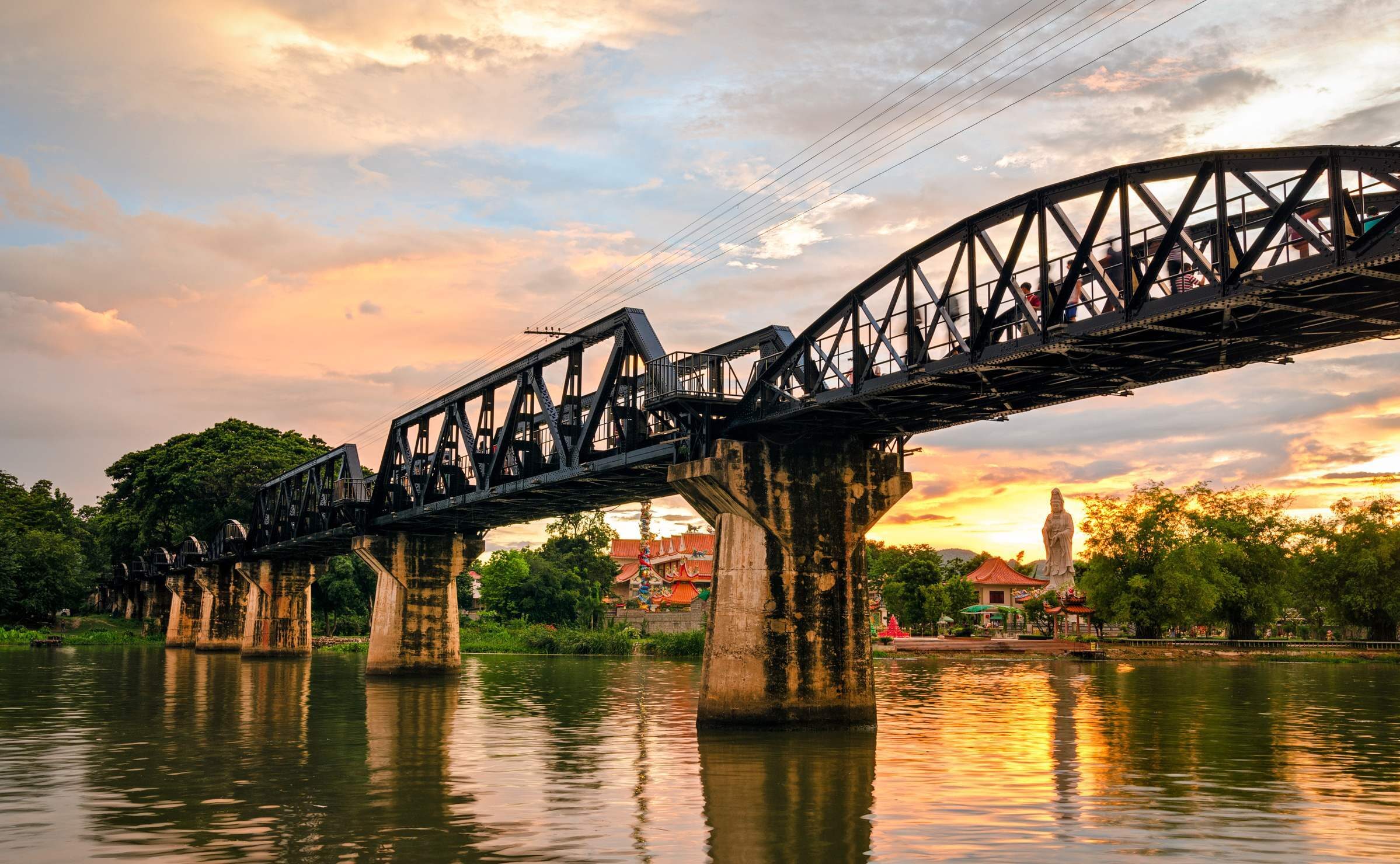
A Slow Travel Adventure Through Thailand
Thailand. Home to cities that rarely stop, and landscapes where time seems to stand still. Spend ten days immersed in its cultural and natural charms on this n…
Explore trip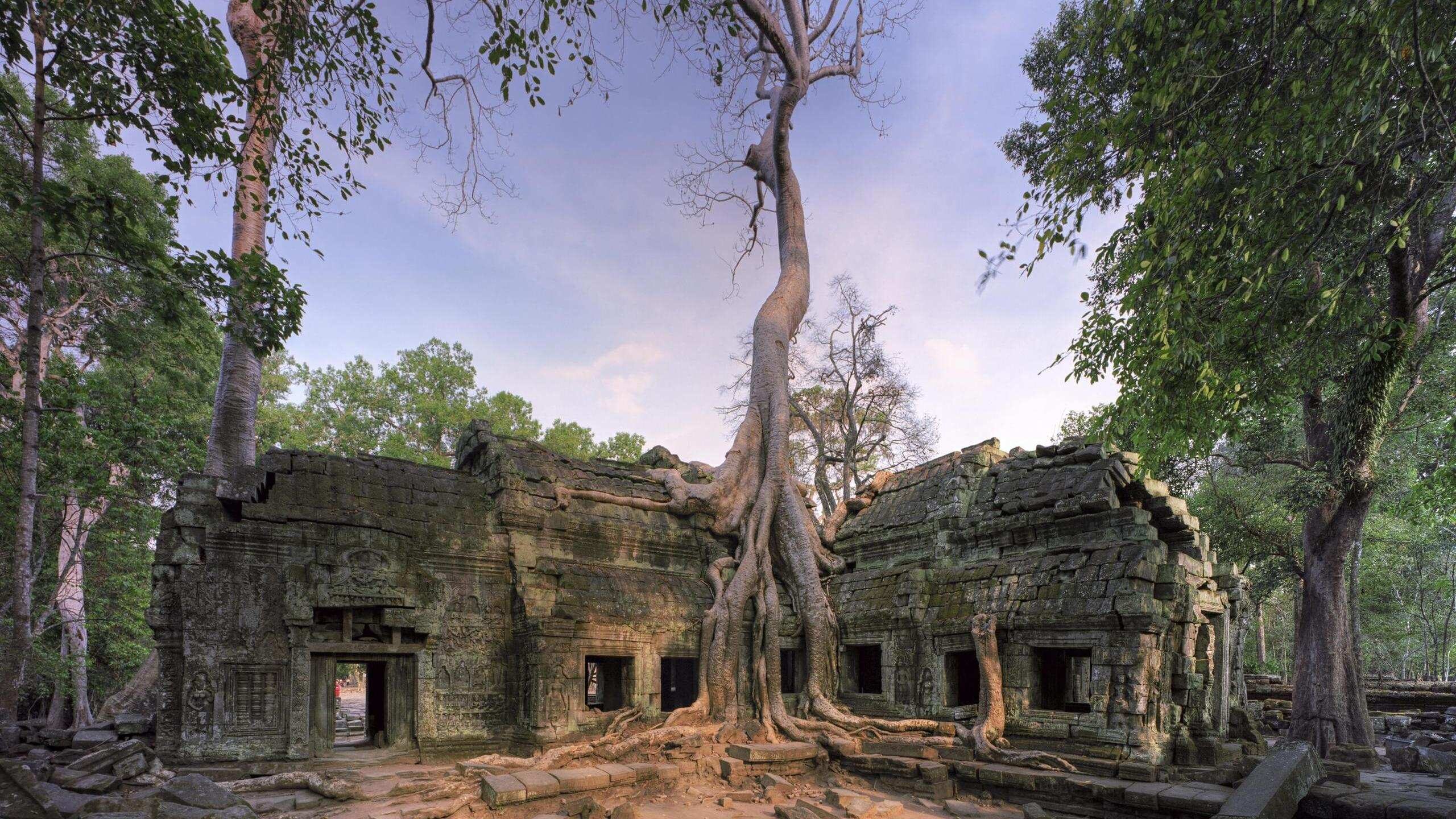
Culture and Coast: A Luxury Family Adventure through Cambodia
Your Cambodia family adventure starts in Siem Reap. Take in the scale of Angkor Wat and discover less-visited temples on a forest bike ride. Continue south to…
Explore trip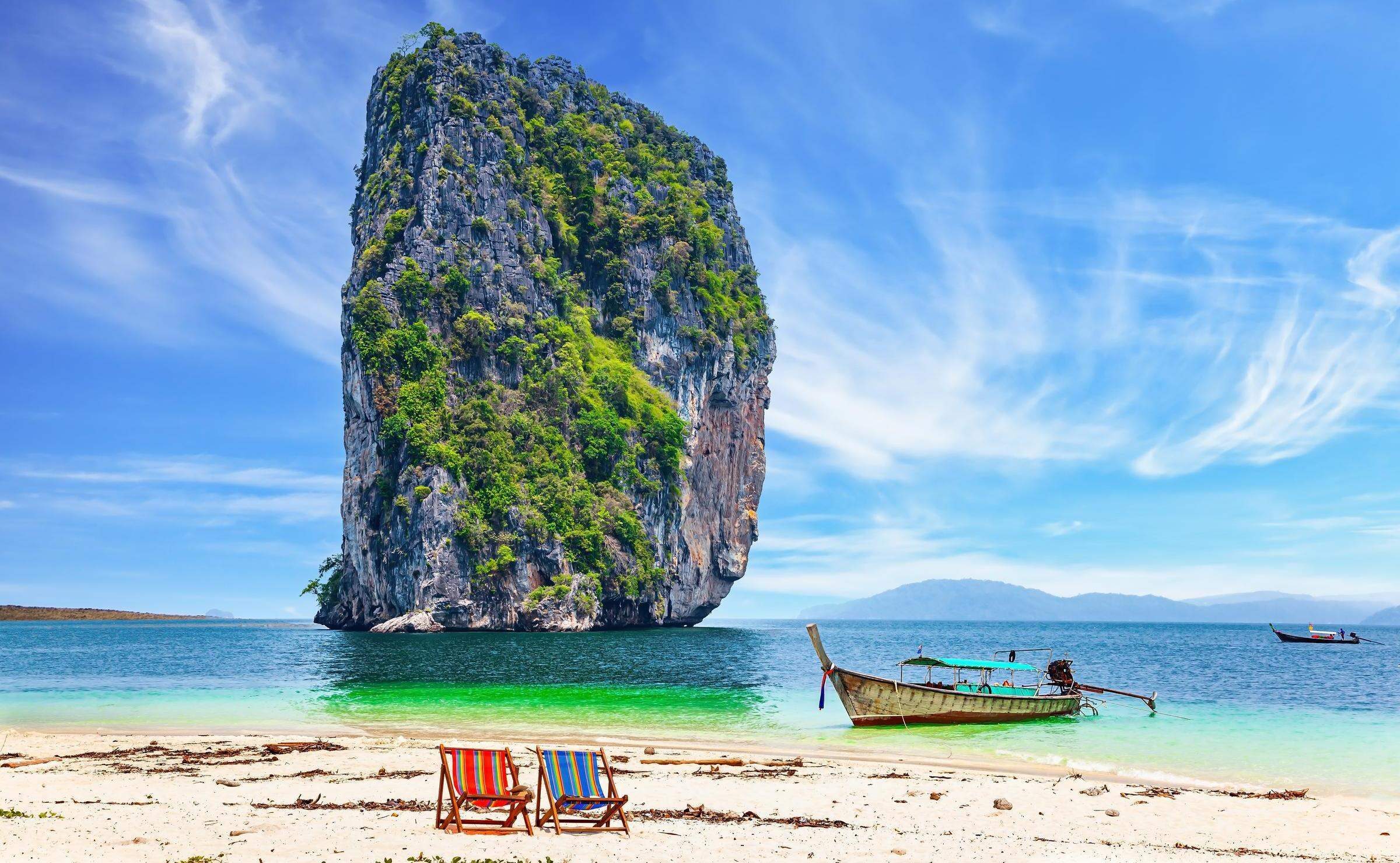
Luxury Thailand: Islands and Beaches
Thailand’s coastline is laced with beaches and coves – with more than 1,400 islands scattered over the Gulf of Thailand and the Andaman Sea. Across 16 days, yo…
Explore trip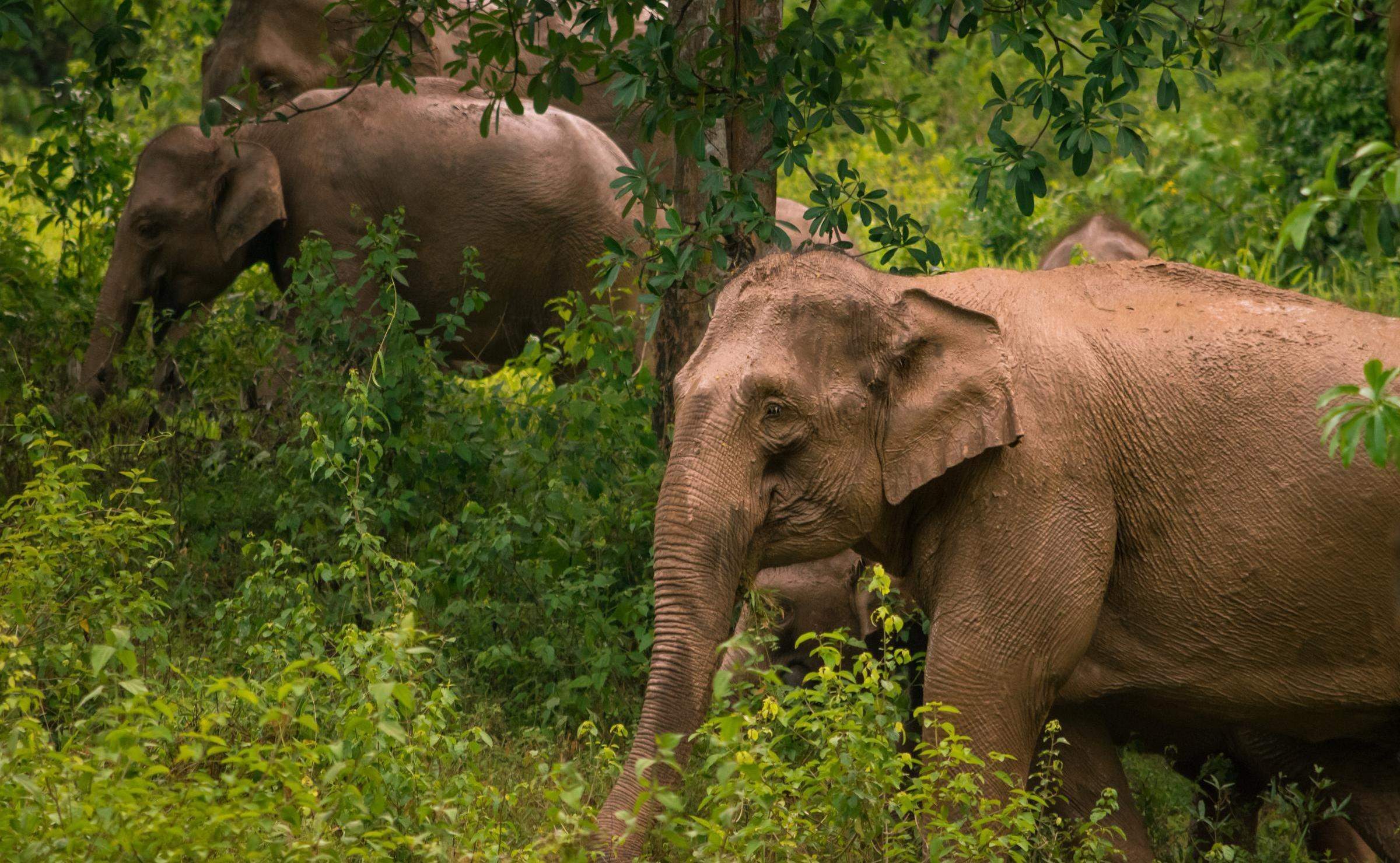
A Journey Through Thailand’s Spectacular National Parks
Thailand’s national parks are packed with unbelievable natural beauty – and provide habitat for rare and beguiling wildlife. Over ten unforgettable days, you’l…
Explore trip