3 min read
A Guide to Wildlife in Iceland
Contents

The land of fire, ice and the Aurora Borealis is an adventure playground for outdoorsy types.
It's also a hotspot for marine mammals and bird life, as well as some unique land mammals.
From horses to porpoises, here's our complete guide to wildlife in Iceland.
Land animals
1) Arctic fox
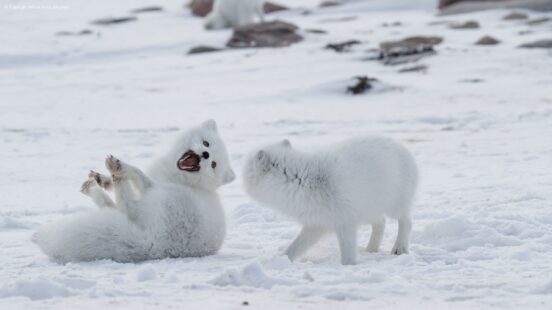
The only mammal to have made Iceland its home before settlers introduced other species was the Arctic fox, which is believed to have found its way to Iceland by crossing the frozen sea at the end of the last ice age. Now the Arctic foxes roam the mountainous and coastal regions of Iceland, and while they are typically elusive, they can sometimes be seen in Iceland’s national parks where they can be less shy.
2) Reindeer
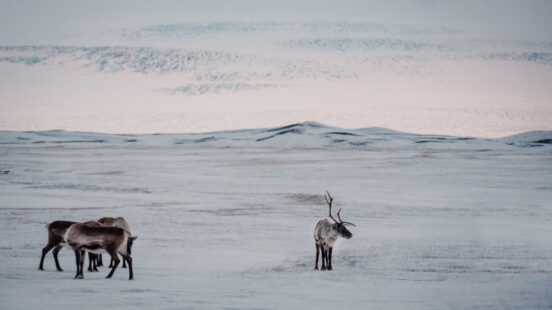
Since the arrival of Iceland’s settlers many more species have been introduced. One of these is the reindeer, which was brought over from Norway in the late 1700s. These herds now roam eastern Iceland, in the cooler highlands each summer and the coastal lowlands during winter. Trips to seek out the reindeer can be taken from Holmur in Vatnajokull from autumn time, throughout winter and into spring.
3) Icelandic horse
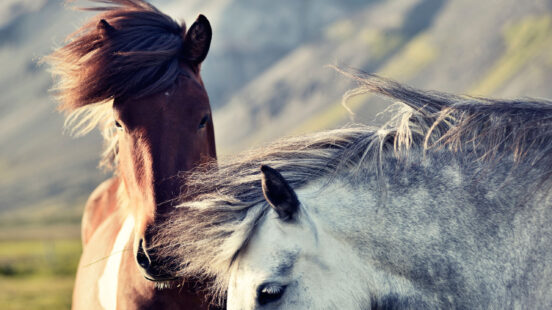
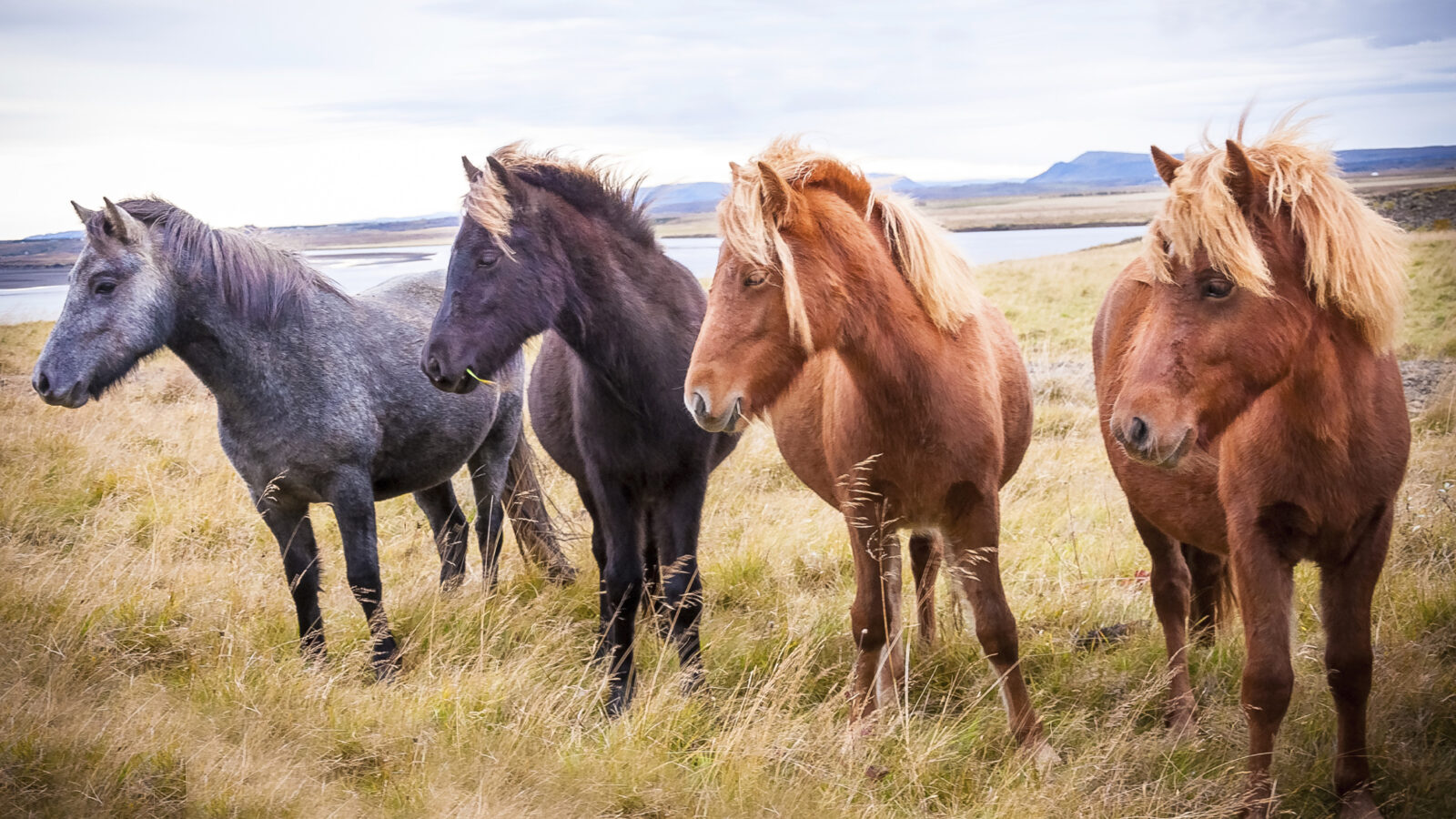
Another of Iceland’s common land mammals, and perhaps the most iconic, is the Icelandic horse; considered an important part of the local culture. Throughout the highlands the horses roam freely during the summer months, before they are rounded up by herders when autumn comes round. Horseback riding can be arranged throughout the year.
4) Icelandic sheep
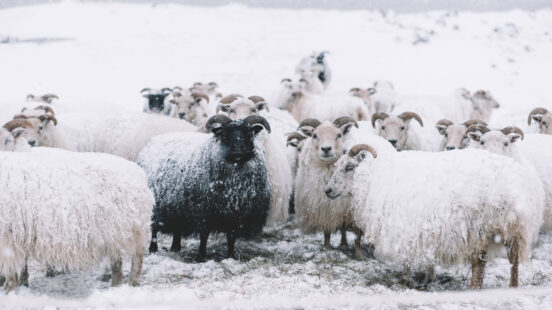
Icelandic sheep actually outnumber people on the island and can be seen on the coastal farmland, as well as throughout the highlands in summer, alongside Icelandic sheepdogs, which are believed to be descendents of the Vikings’ Nordic dogs.
Marine animals
5) Whales
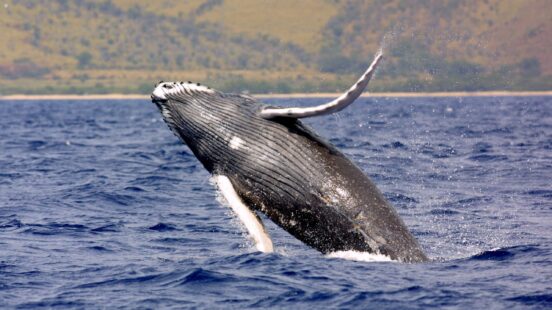
The most common whales to see off Iceland’s coast are minke whales and frequent sightings of killer whales. Humpback whales are also occasionally seen, and if you’re especially lucky, you might spot a sperm whale or pilot whale.
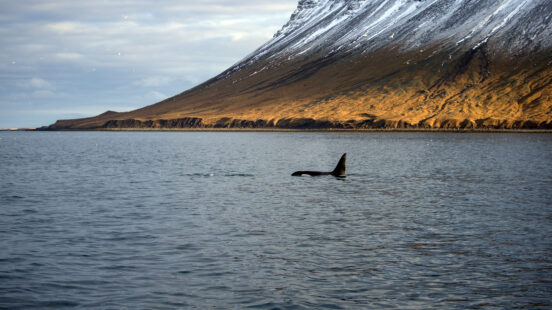
On the Reykjanes Peninsula the ports of Klefavik, Sandgerdi and Grindavik, as well as Reykjavik harbour, are top whale-watching departure points. Whale watching takes place all-year-round in Iceland but the summer months – April to September – offer the most sightings.
6) Other marine life
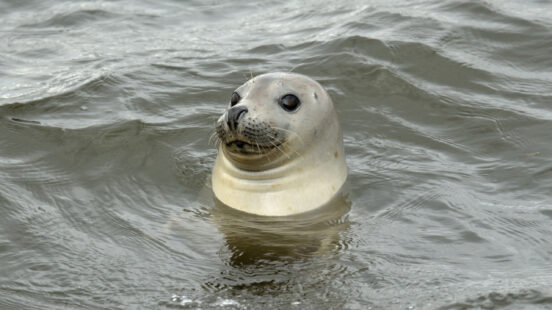
From Iceland’s location just under the Arctic circle, between Europe and the Americas and in close proximity to Greenland, the cool Atlantic waters are met with a warm current from the Gulf Stream, resulting in an exceptional abundance of marine mammals. Expect to see as many as 23 species of marine animals, including white-beaked dolphins, porpoises, harbour seals, grey seals and even basking sharks .
Birds
7) Puffins
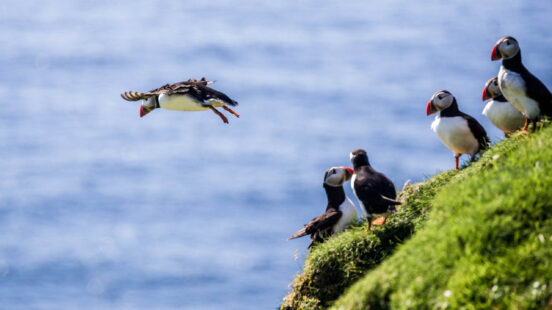
The island’s coast is the breeding site for over half the world’s population of puffins, making trips to see the colonies an especially memorable experience. Lundey, which translates to puffin island, has a colony of around 20,000 puffins and is a short boat ride from Reykjavik, making it a popular site for puffin watching from when the colony arrives in April, until August.
8) Gyrfalcon
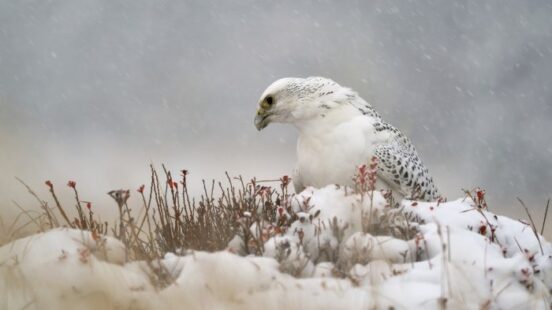
The world’s largest falcon, the gyrfalcon, is one species that many bird enthusiasts travel to Iceland to see. Bird watching tours throughout the coastal regions are the best way to experience the island’s rich birdlife and can be taken from April to June.
9) Other birdlife
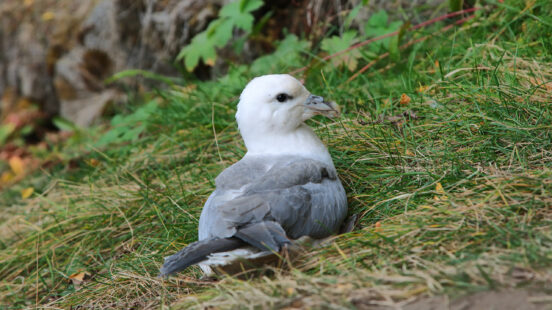
Iceland’s location in the North Atlantic also ensures an abundance of birdlife, with species migrating from North America and Europe, a long coastline that’s ideal for coastal and cliff-breeding birds, and lowlands with mild winters that attract avian species from Norway.
Trip inspiration
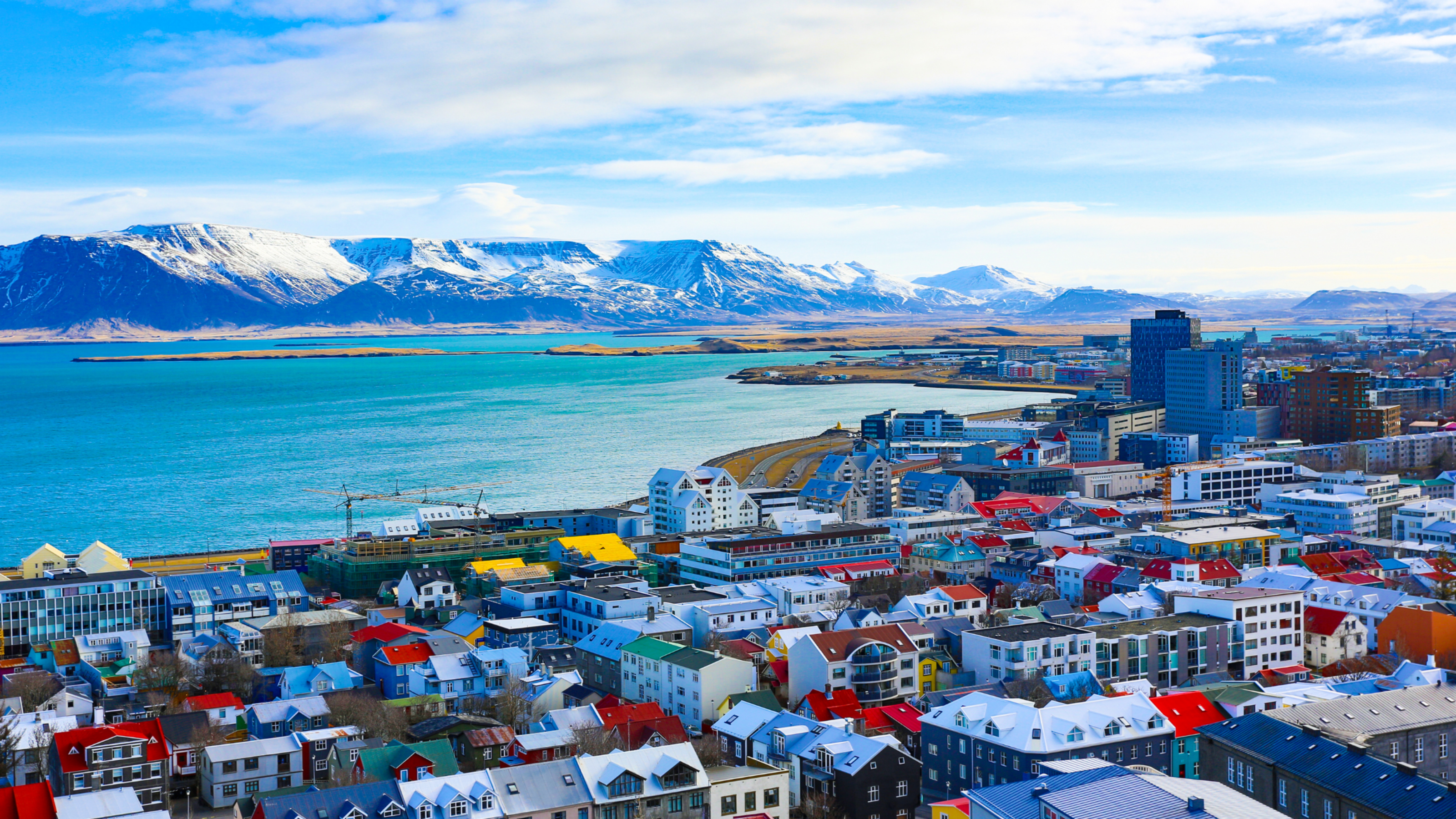
Ultimate Iceland
Experience the epic wonders of Iceland in utmost style on this luxury 8-day adventure. Staying at the island’s most exclusive lodgings, you’ll have the chance…
Explore trip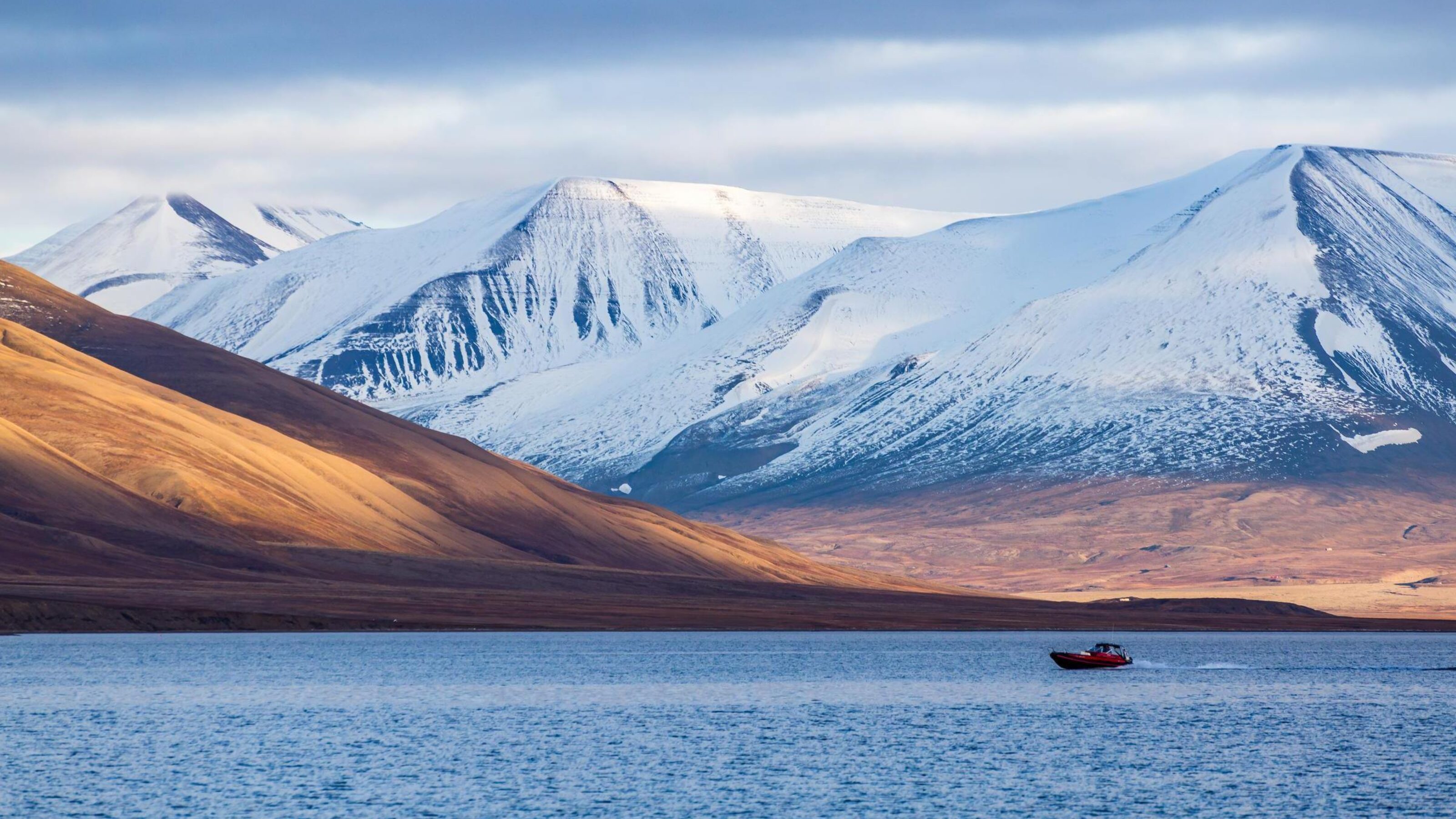
A Three-Island Adventure to the Arctic
Explore glittering fjords, calving glaciers, turquoise icebergs and vast Arctic tundra on this 18-day expedition cruise. As you journey through the cool waters…
Explore trip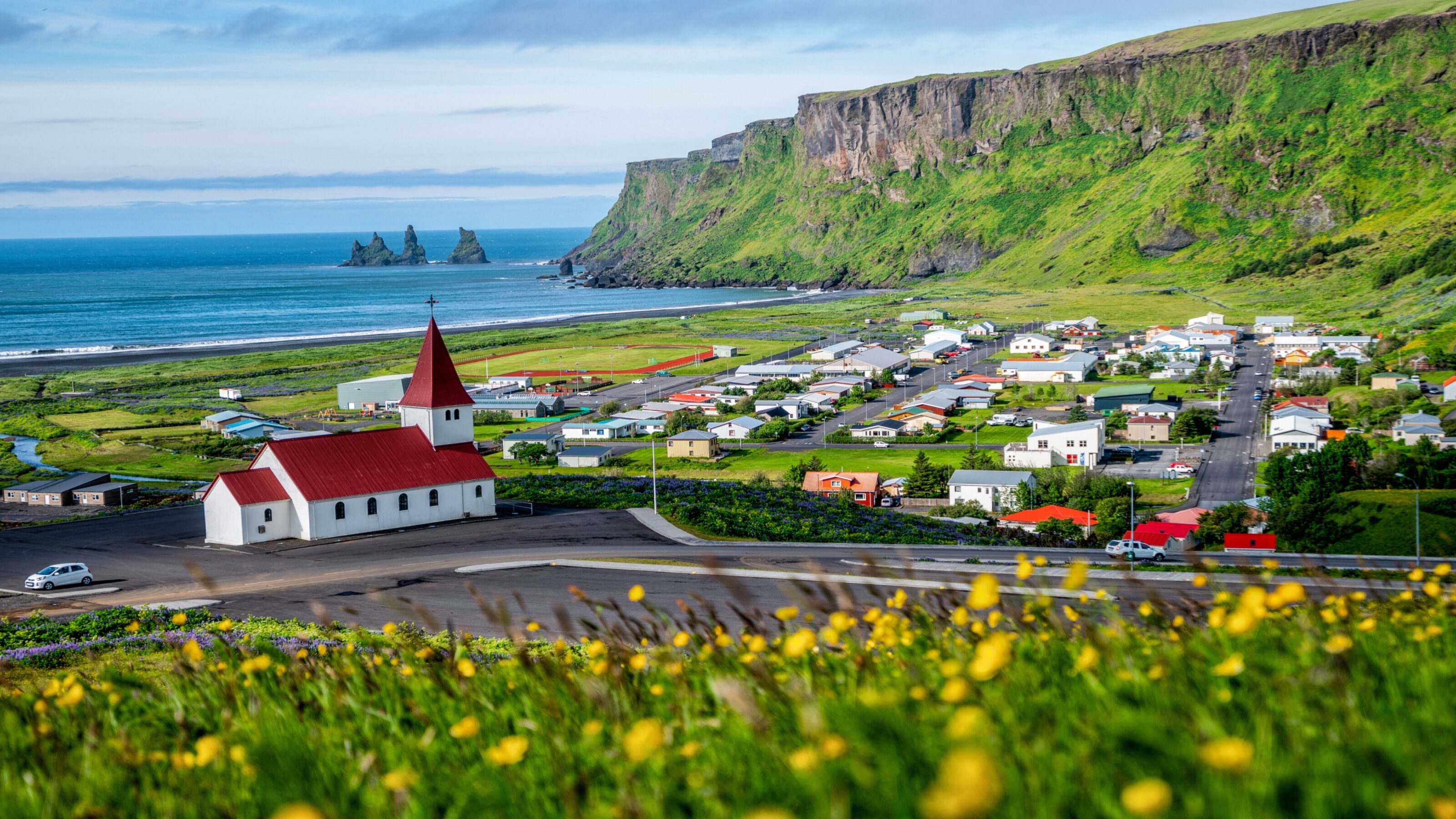
A Luxury Arctic Exploration
Visit the world’s most northerly capital, Reykjavik, before spending time in Iceland’s Golden Circle discovering glaciers, volcanoes and waterfalls. You’ll the…
Explore tripWhere to stay
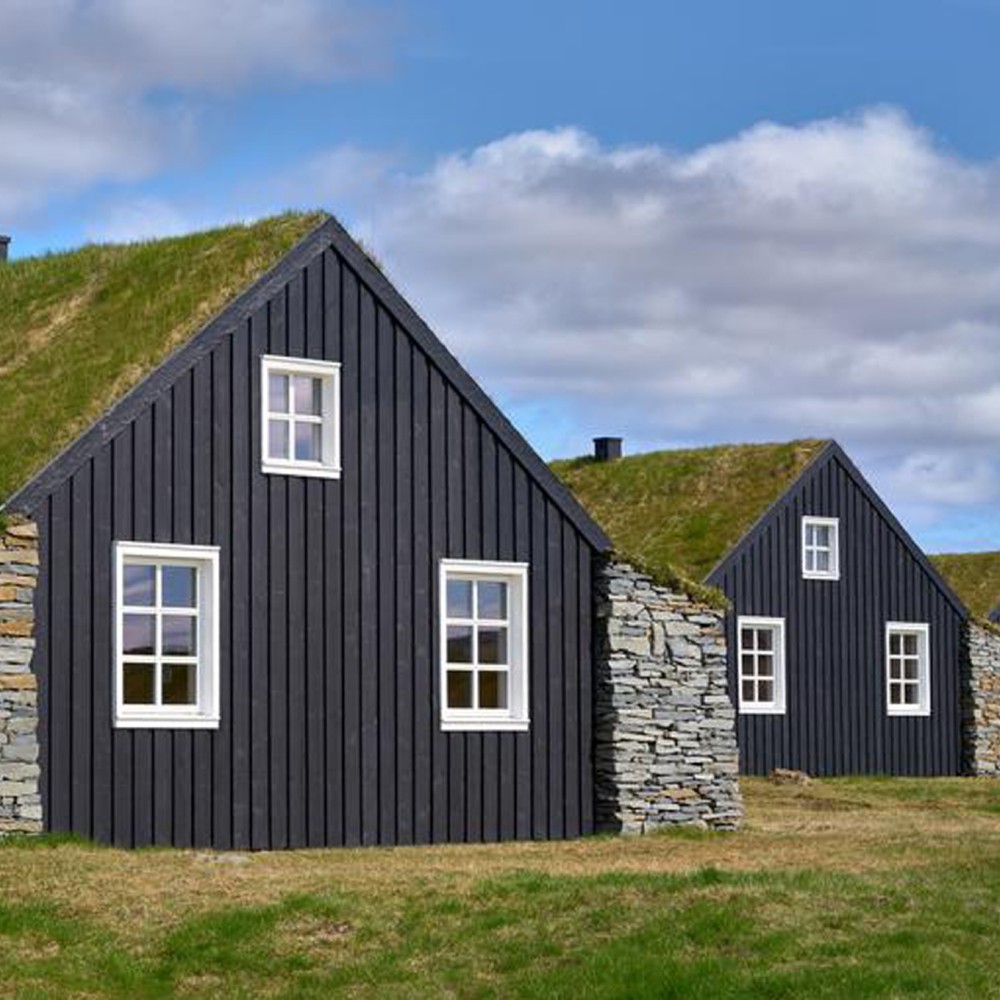
Torfhús Retreat
Cosy, contemporary Icelandic cottages
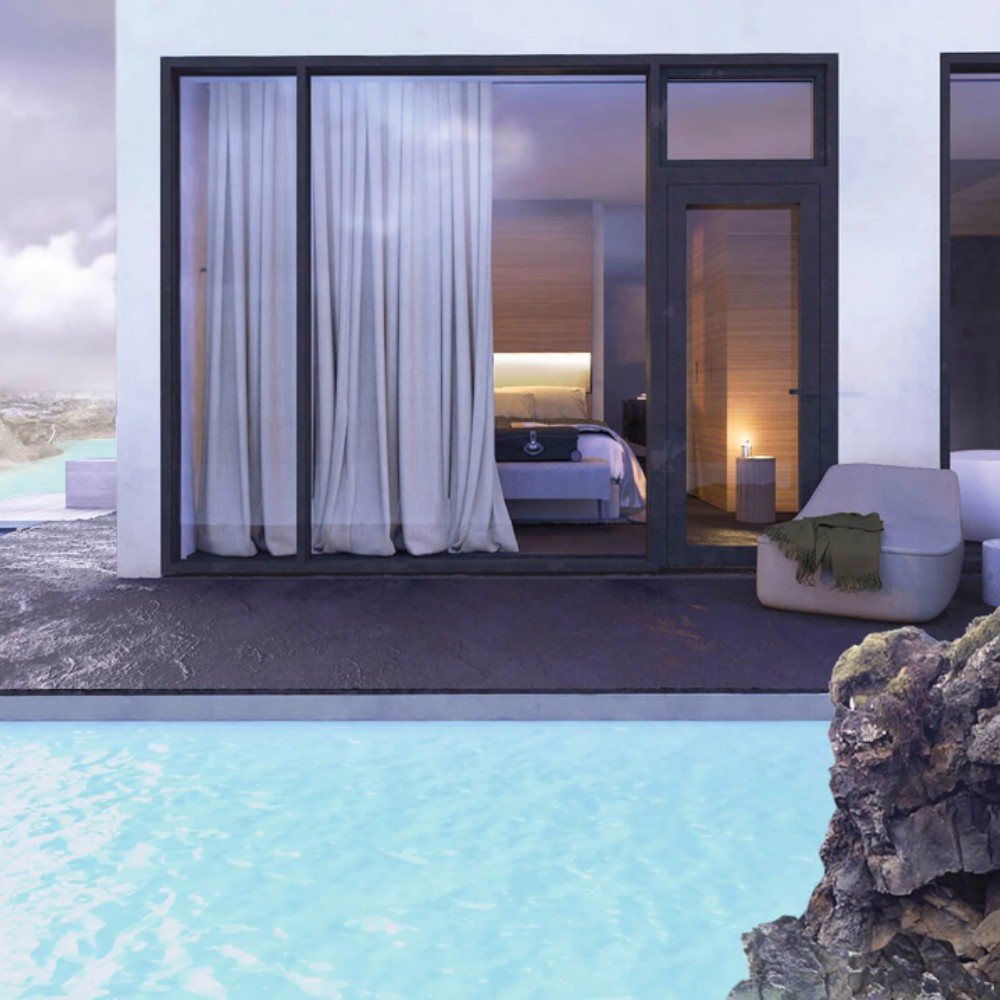
The Retreat at Blue Lagoon Iceland
Contemporary design meets natural rugged beauty
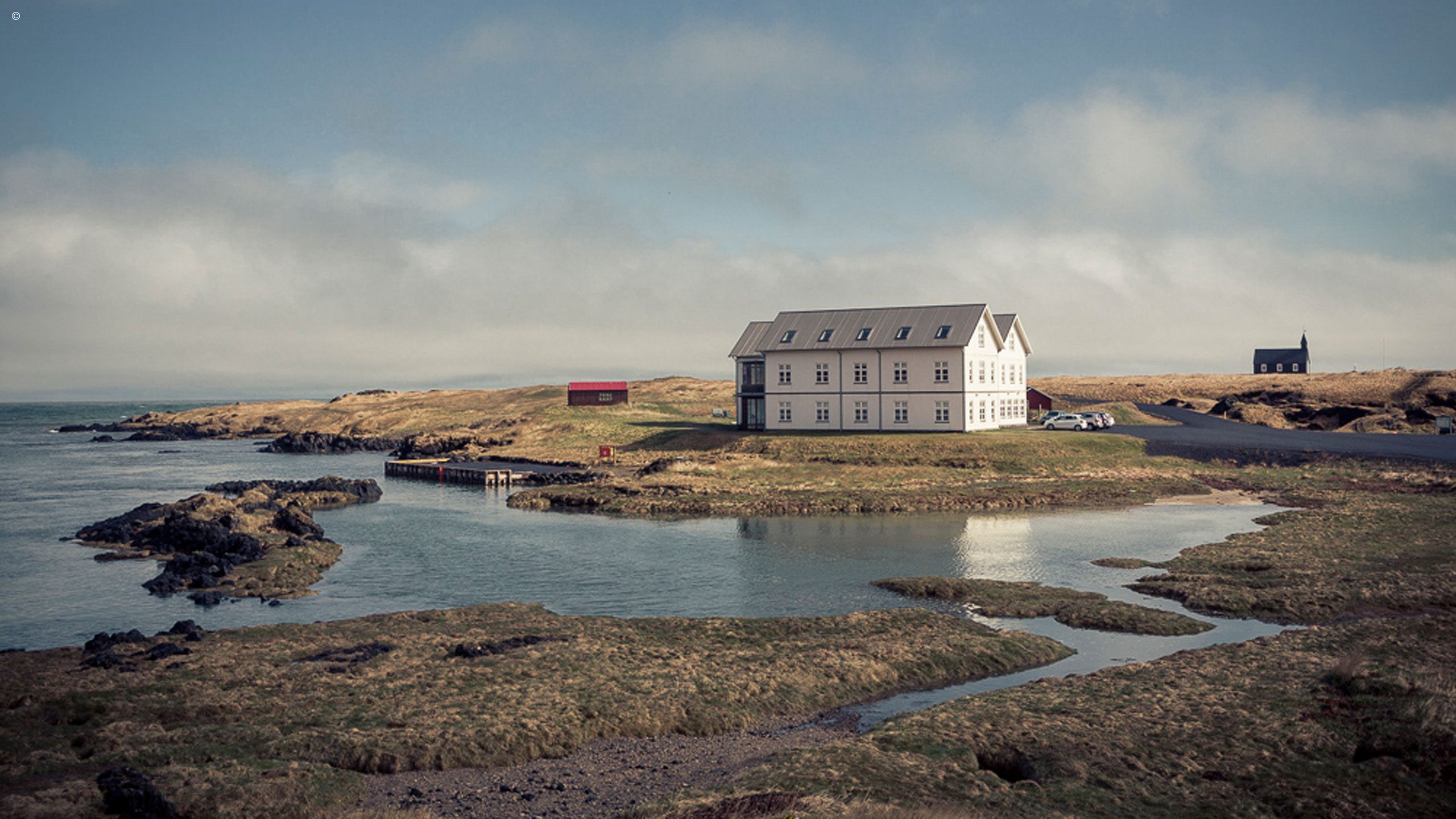
Hotel Budir
Hotel Budir is a hotel in Snæfellsnes, Iceland.
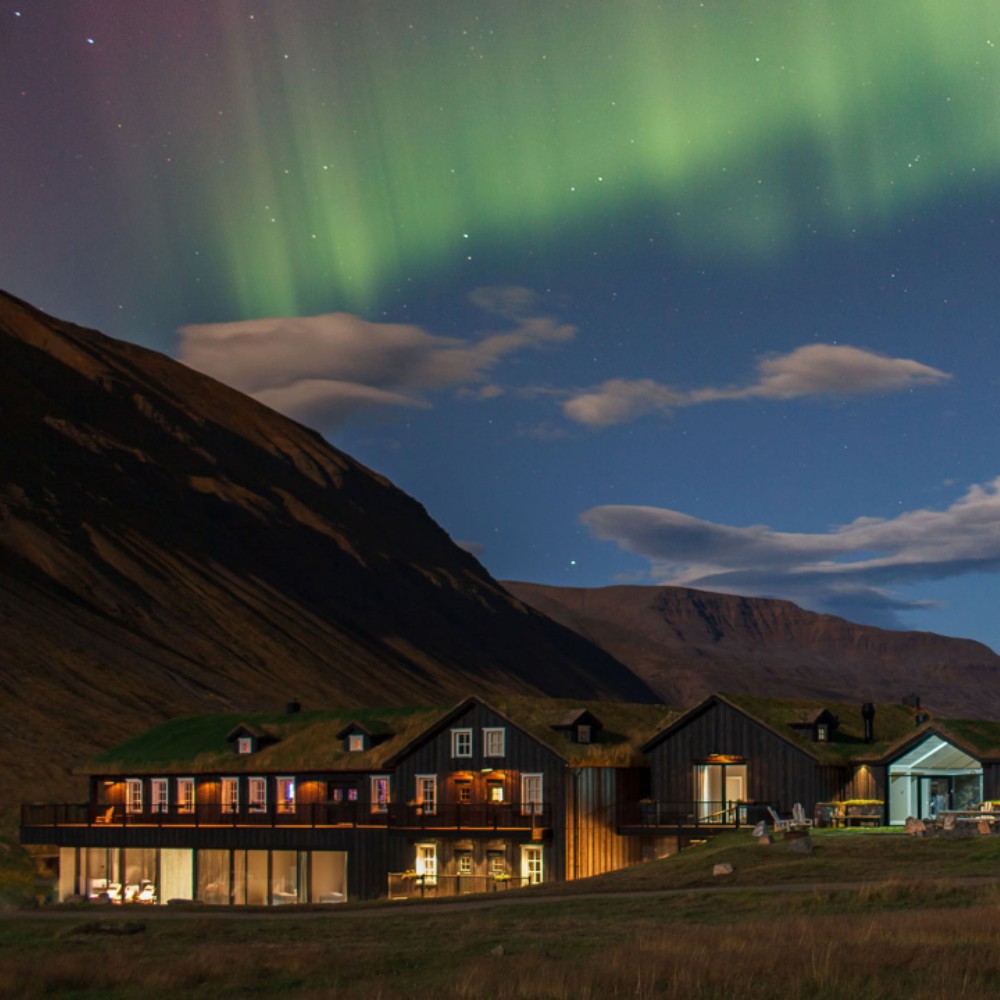
Deplar Farm
Black cladding and turf topped roofs, totally Icelandic
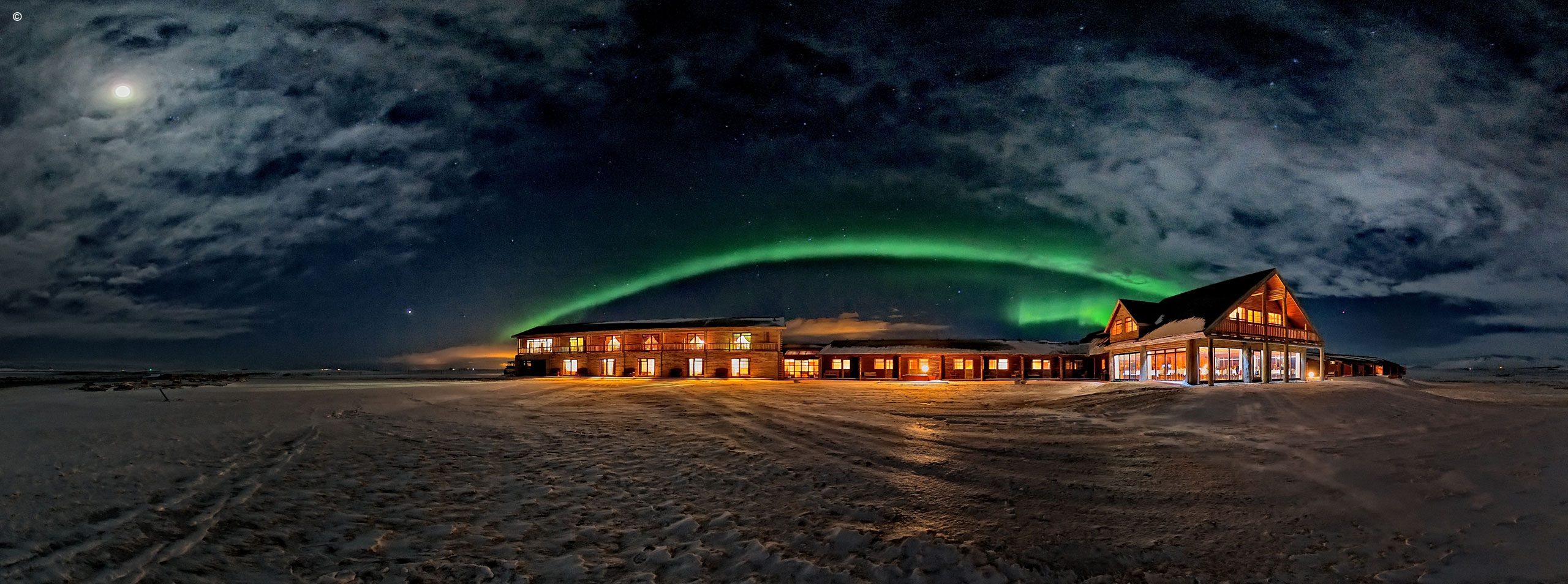
Ranga Hotel
Ranga Hotel is a hotel in South Iceland, Iceland.
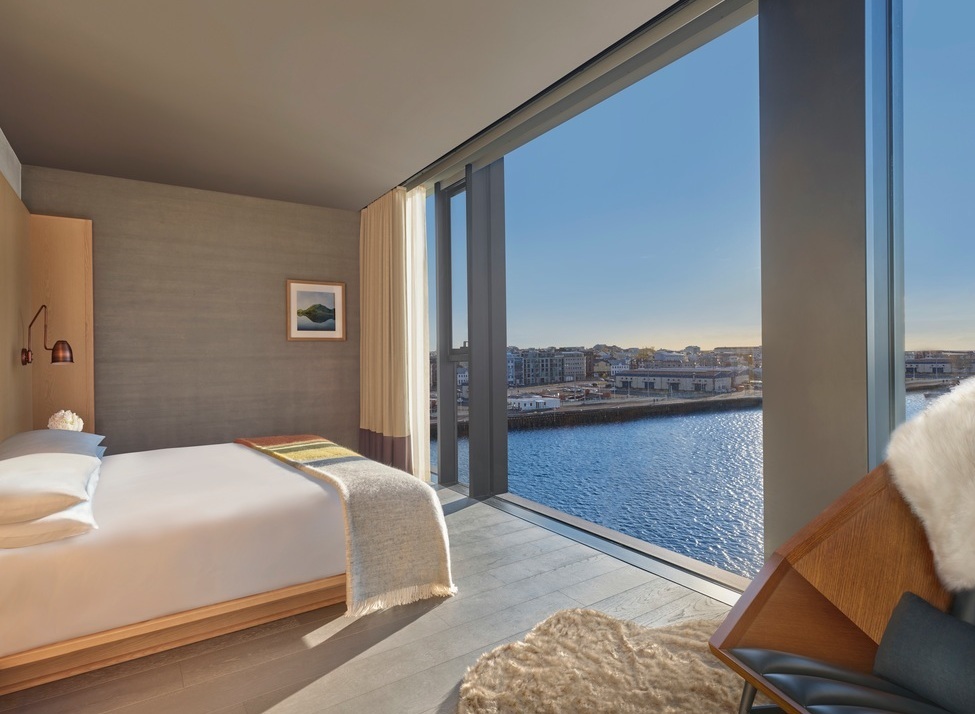
Reykjavik Edition
Waterfront design hotel in the heart of Iceland’s capital
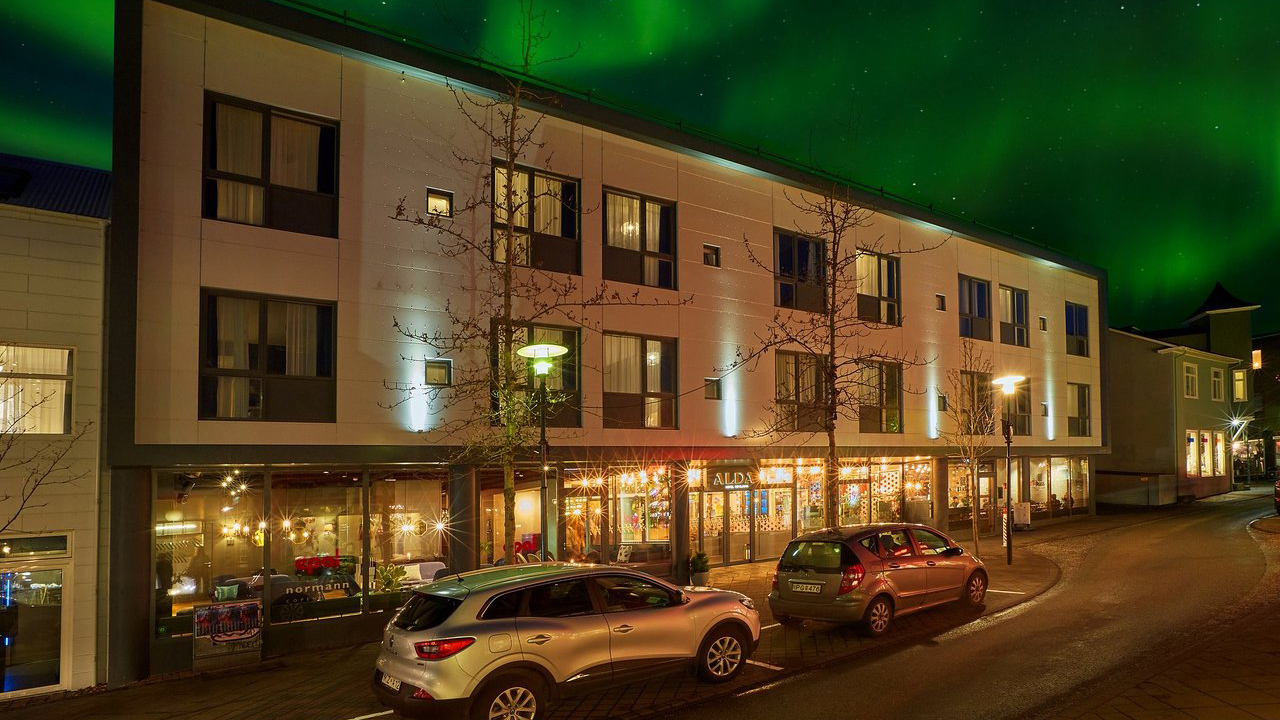
Alda Hotel
Alda Hotel is a hotel in Reykjavík, Iceland.
Ambassade Apartments
Ambassade Apartments is a place to stay in Reykjavík, Iceland.
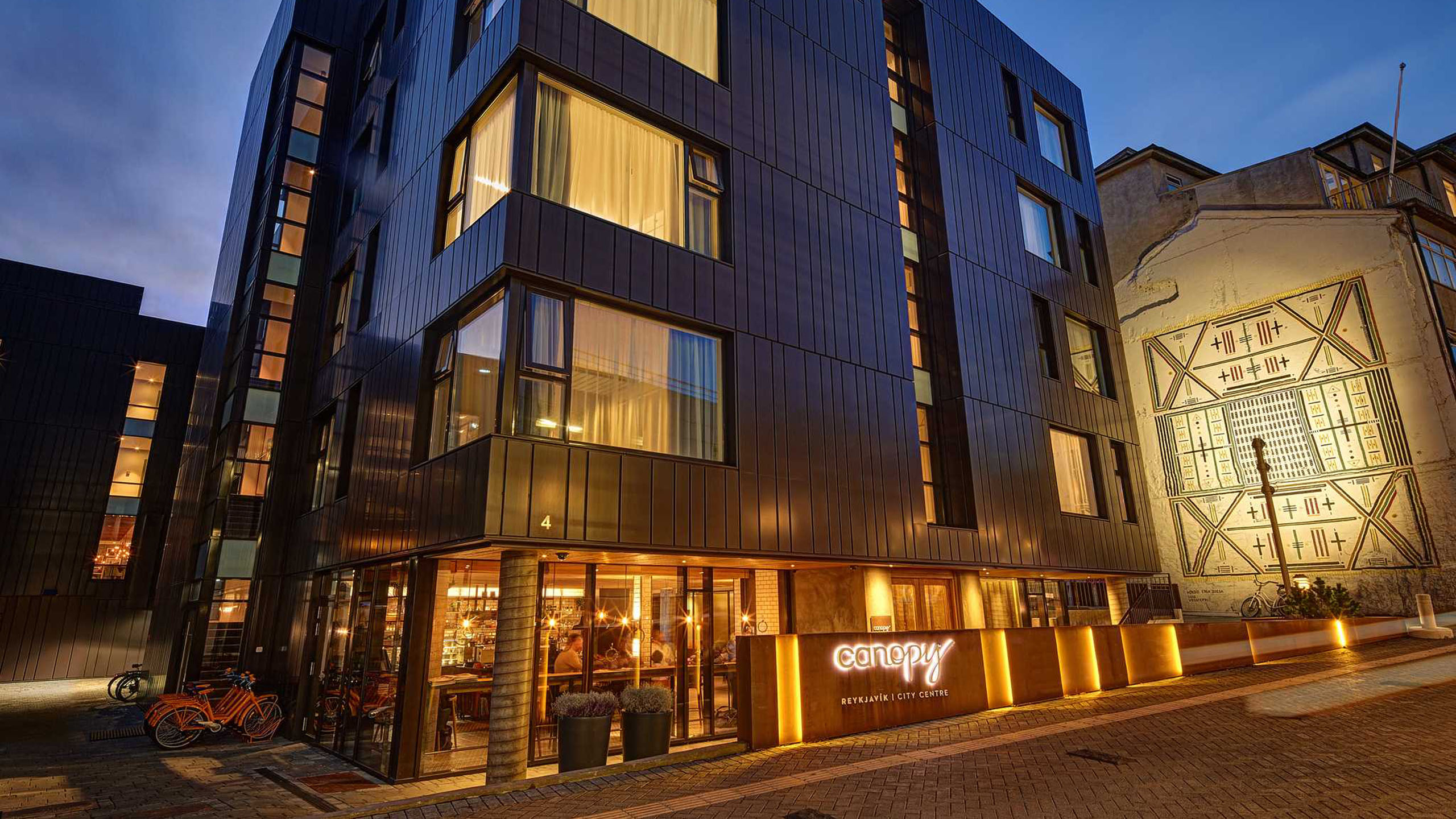
Canopy by Hilton Reykjavik City Centre
Canopy Hilton Reykjavik City Centre is a place to stay in Reykjavík, Iceland.
Ready to start planning?
Tell us what you have in mind and our travel designers will shape the first ideas with you.
Start planning