5 min read
When Is the Best Time to Visit Iceland?
To go hiking, see the northern lights, explore ice caves and more...

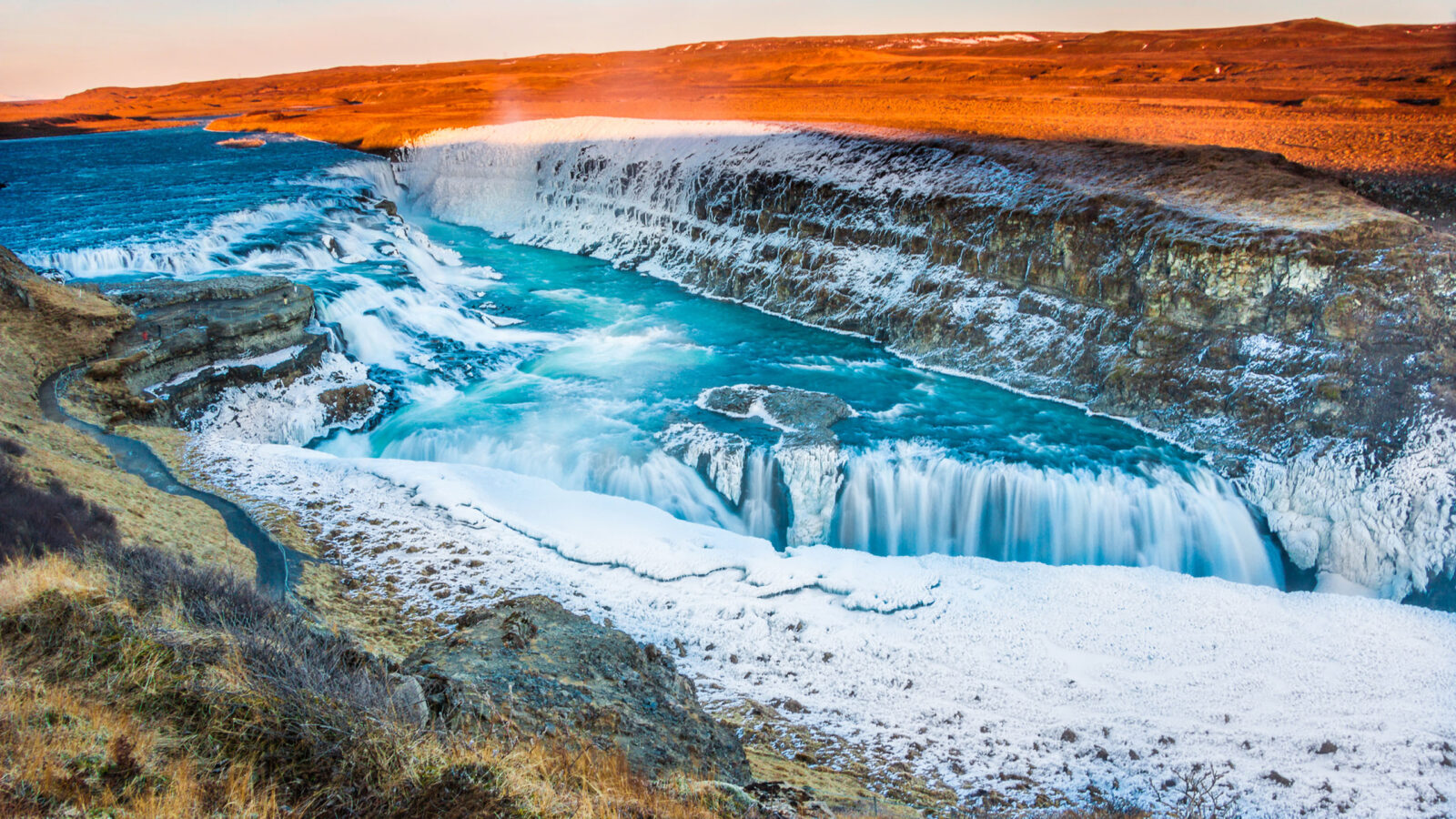
The best time to visit Iceland for hiking, midnight sun and outdoor activities is between June, July and August. These months bring average highs of 13°C (55°F). To see the northern lights and ice caves, visit during the winter months between November to April, with lows of -2°C (28.4°F) and snowy, icy conditions.
The warm summer months spanning June to August are perfect for hiking and outdoor pursuits. A cold, snowy winter begins at the end of October until April when exhilarating, off-road, super jeep excursions traverse the frozen landscapes and freezing ice caves are formed. The shoulder season months of September, April and May offer exclusive experiences with winter and summer excursions available, but with fewer visitors and less crowds.
Keen hikers should visit in July and August when the Icelandic Highlands are accessible. For icey experiences in Southern Iceland's caves or seeing the Vatnajokull Glacier, December to February are great months. The period between May and August is wonderful for spotting puffins in the Eastern Fjords.
During the winter months between November and April, visitors head to Northern Iceland to catch a glimpse of the elusive northern lights.
Monthly Climate Guide for Iceland
Iceland has its fair share of freezing weather. However, the seasonal changes are remarkable. An impassable snowy peak in winter becomes a glorious hiking trail in summer. We’ve put together a month by month climate guide to help you decide on the best time to visit Iceland.
Top Things to Do in Iceland
The top things to do in Iceland are often dictated by the seasons, focusing largely on Iceland’s other-wordly, great outdoors. There’s hikes to luna-like lava fields, horse rides to crashing waterfalls and mysterious ice caves to explore. There’s culture too; art and museum tours, viking history and foodie adventures, all waiting for you.
Glimpse the northern lights
October - March
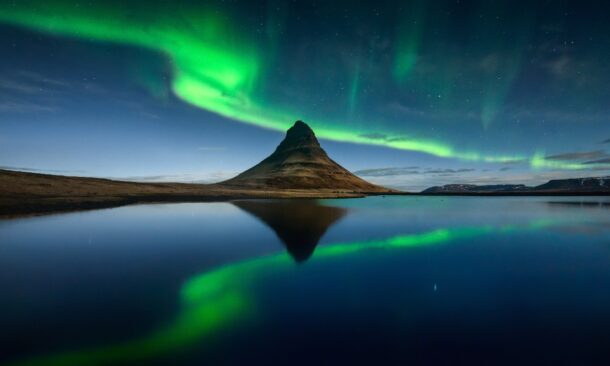
The best time to visit Iceland for the northern lights is between October and March. The spellbinding auroras sometimes start to appear at 5pm, so the early winter sunsets and long, dark nights are the essential backdrop for excellent displays. Skies must be clear, so sightings are weather dependent.
Where you go can increase your chances to see the northern lights. Although the auroras can sometimes be spotted from just outside Reykjavik, heading into remote areas is recommended for dramatic light intensity. For a luxurious stay in the wilderness head to Deplar Farm in the middle of the Troll Peninsula. For complete isolation travel by super jeep into the depths of the Icelandic highlands and stay at the solitary Midgard Hut. The Snaefellsnes Peninsula provides a dramatic backdrop of glaciers, rock formations and windswept beaches while the crashing waterfalls in the north can result in spellbinding views and photographs of the lights.
Whale watching in Iceland
February - March
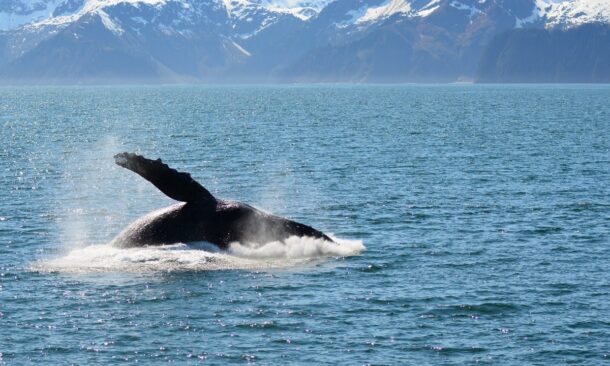
The best time to visit Iceland for whale watching is between February and March, when Orcas come close to the shore in the west. From May to September it’s possible to spot humpback whales on boat trips from Reyjakavik. Minke whales and dolphins can be spotted year round.
Spot puffins
May - August
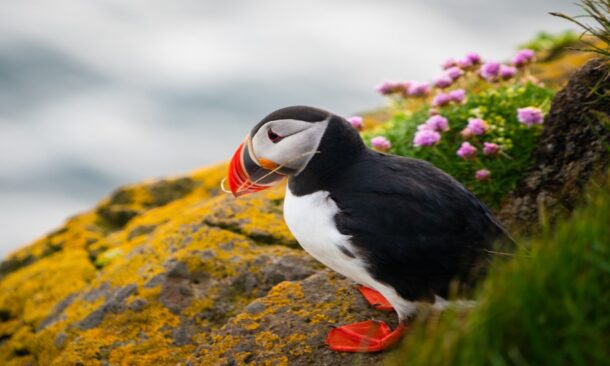
The best time to visit Iceland to see puffins is between May and August. Puffins live at sea all winter and arrive for the summer, leaving in late August. During the day, they are often at sea, fishing, so sightings are best in the evening when they’re the most active on land.
Puffins can be spotted along Iceland's South Coast and in the very remote Western Fjords, on Látrabjarg cliffs. One of our favourite spots, in the Eastern Fjords, is Borgarfjörður Eystri. A land of elfin queens, turf houses and close encounters with puffins.
Visit the ice caves
December - February
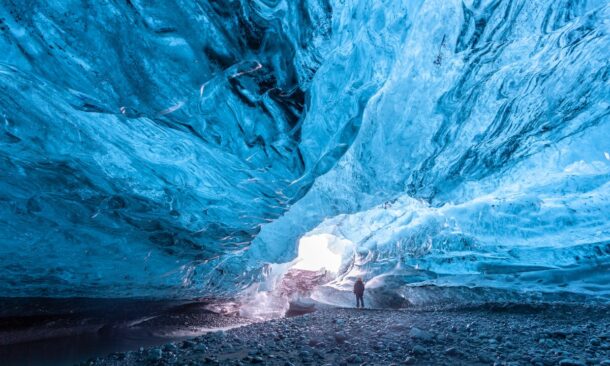
The best time to visit Iceland for ice caves is December to February, the coldest months. During the summer the ice melts, causing the arches to disappear or become unstable. A few months of freezing temperatures in early winter reforms the caves, and by December they can be explored again.
Go hiking
June - August
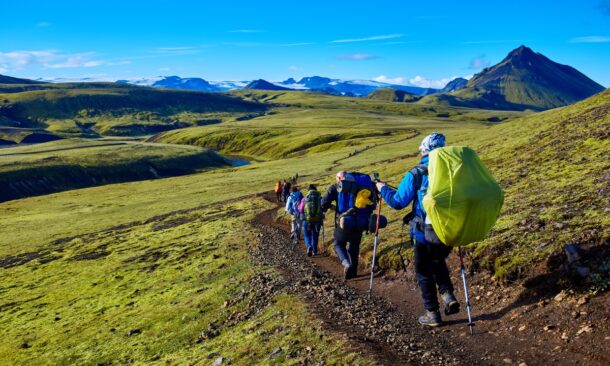
The best time to visit Iceland for hiking is during the summer months of June, July and August. During that period, conditions are favourable as compared to winter months when many hiking paths, covered in snow and ice, are blocked. Hiking in Iceland during the summer is impossibly beautiful with stunning terrain and mild weather.
There are hikes in Iceland to suit all experience and activity levels. The Mount Esja trail, in particular, offers epic views over Reykjavik . The hike in Snaefellsnes Peninsula glacier is also beautiful, moderate to easy level (depending on conditions). For more of a challenge the Hornstrandir hike in the Westfjords, over 14 kilometres of rough terrain, promises spectacular views to Drangajökull glacier. There are also helicopter rides with glacier hikes in the Golden Circle and exhilarating ice climbing in Southern Iceland.
Visit the Blue Lagoon
Year round
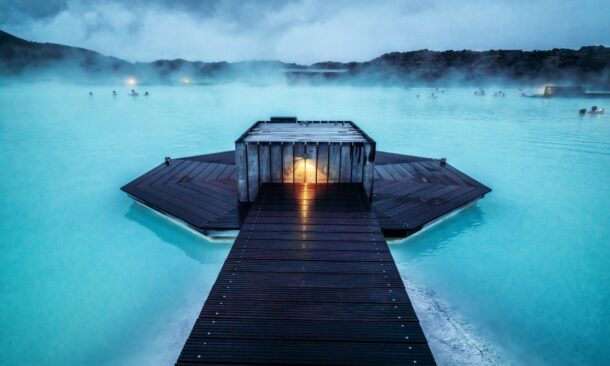
The Blue Lagoon is a year round destination, working well with both summer or winter adventures. The best time to visit the Blue Lagoon for epic sunrises, sunsets and the chance to see the northern lights is during the winter months. For a chance to soak up the unique light of the winter sun, then summer is the best time to visit the Blue Lagoon.
Trip inspiration
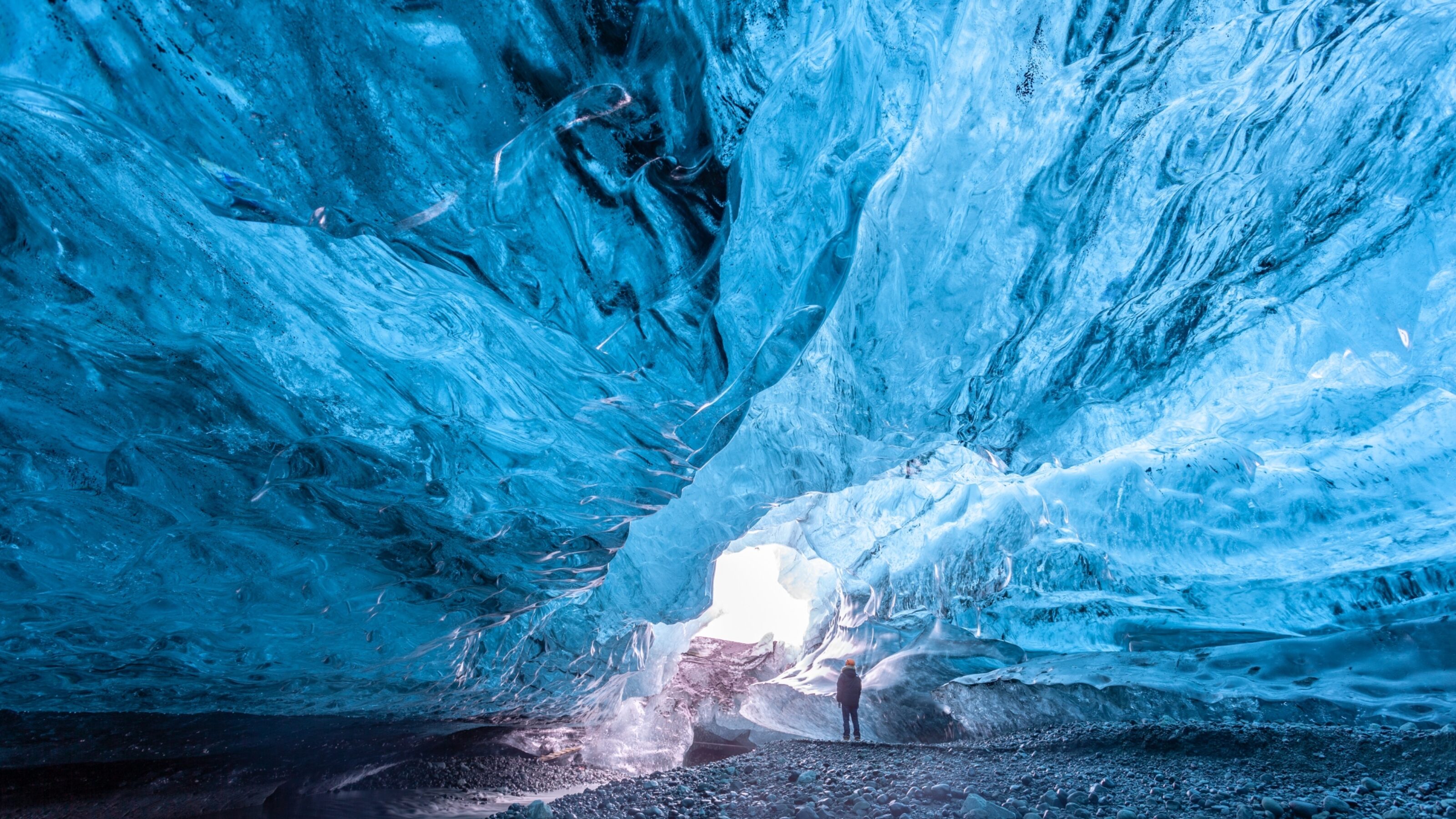
Glaciers and Northern Lights: A Winter Discovery of Iceland
This five-day adventure highlights the best of southern Iceland, all blanketed in snow. This private tour offers an array of extraordinary natural experiences…
Explore trip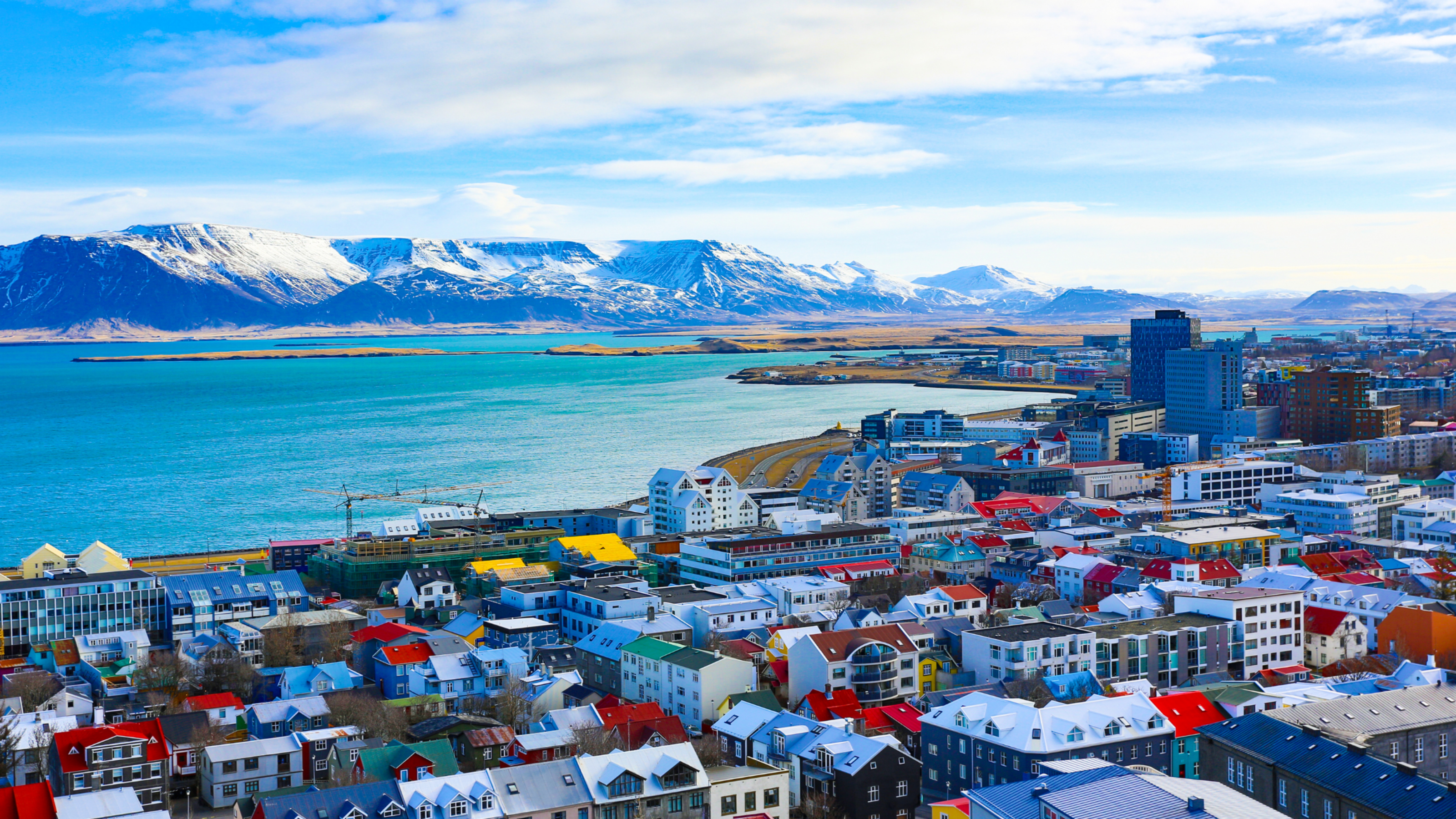
Ultimate Iceland
Experience the epic wonders of Iceland in utmost style on this luxury 8-day adventure. Staying at the island’s most exclusive lodgings, you’ll have the chance…
Explore trip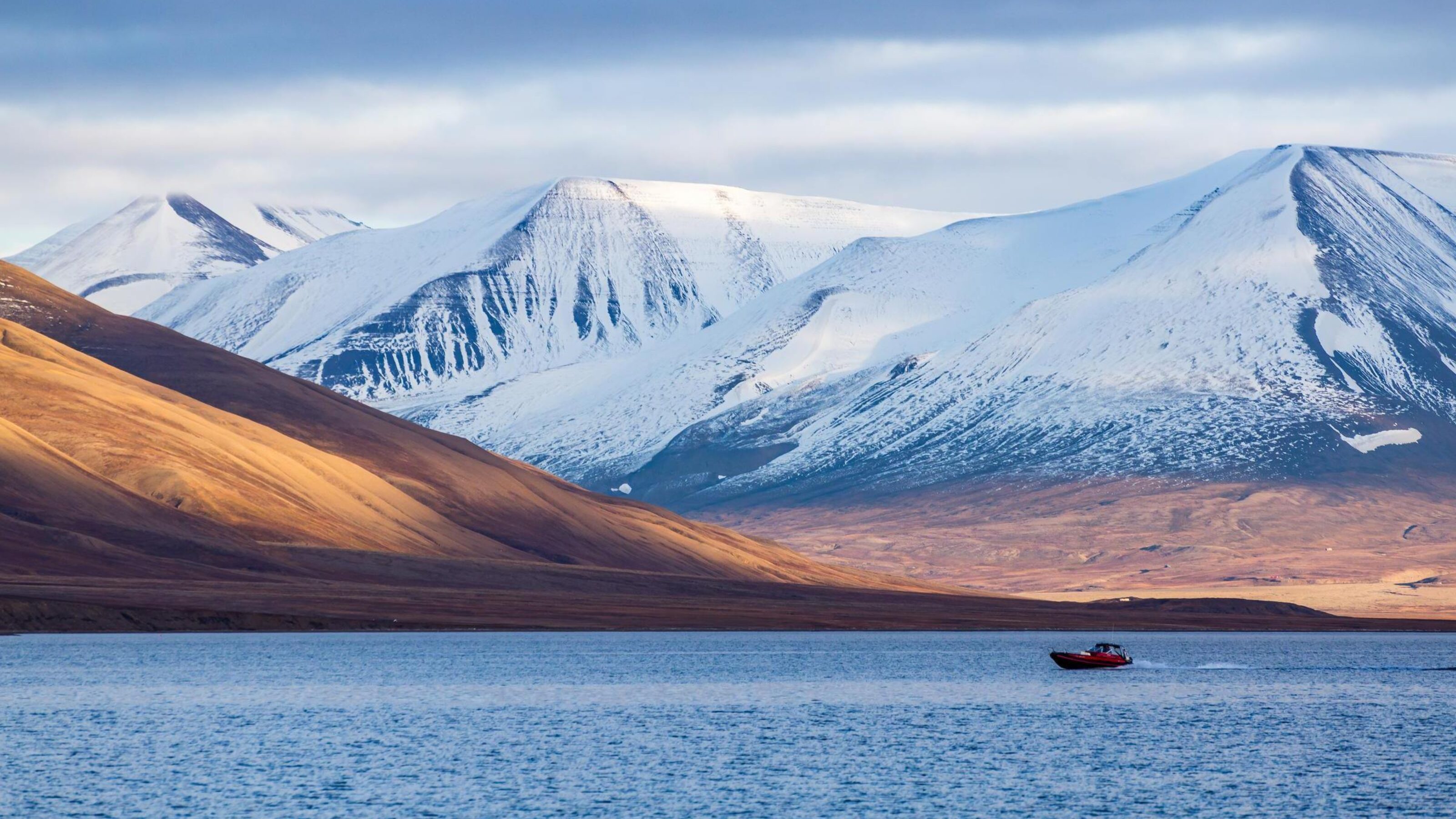
A Three-Island Adventure to the Arctic
Explore glittering fjords, calving glaciers, turquoise icebergs and vast Arctic tundra on this 18-day expedition cruise. As you journey through the cool waters…
Explore tripWhere to stay
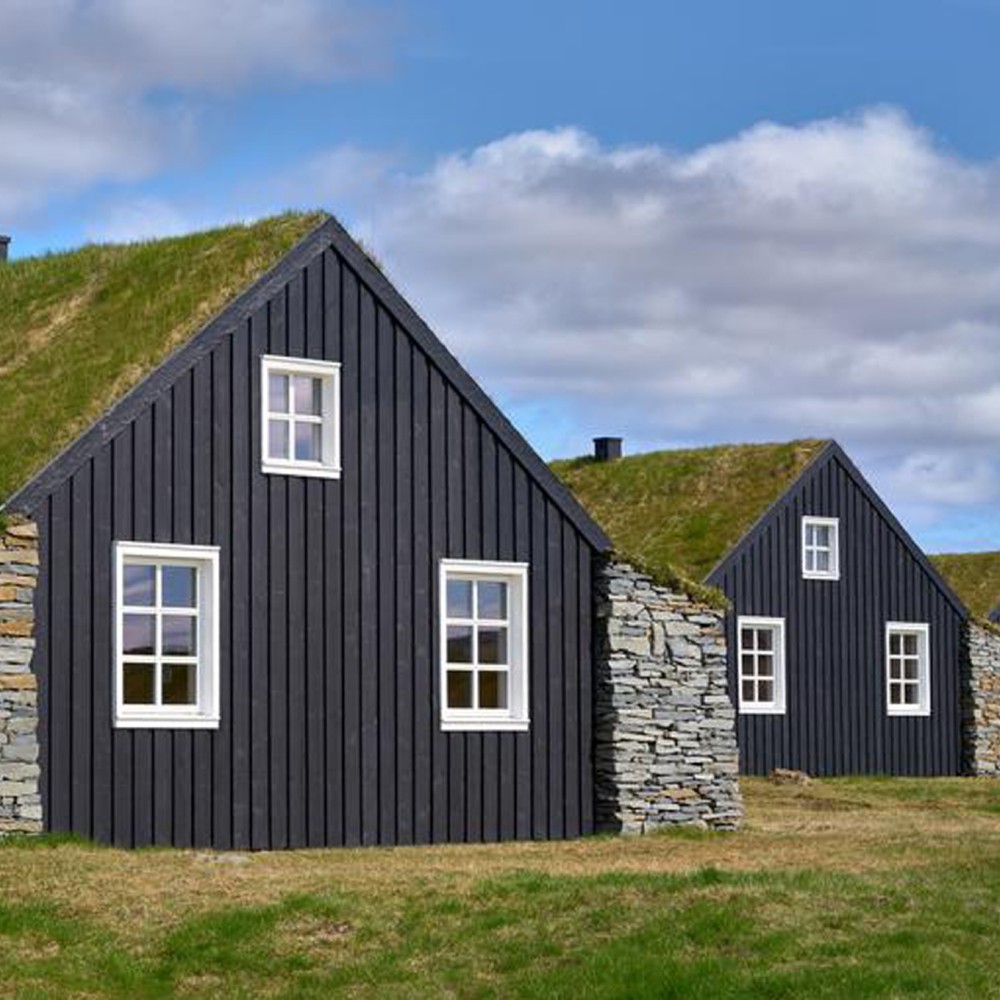
Torfhús Retreat
Cosy, contemporary Icelandic cottages
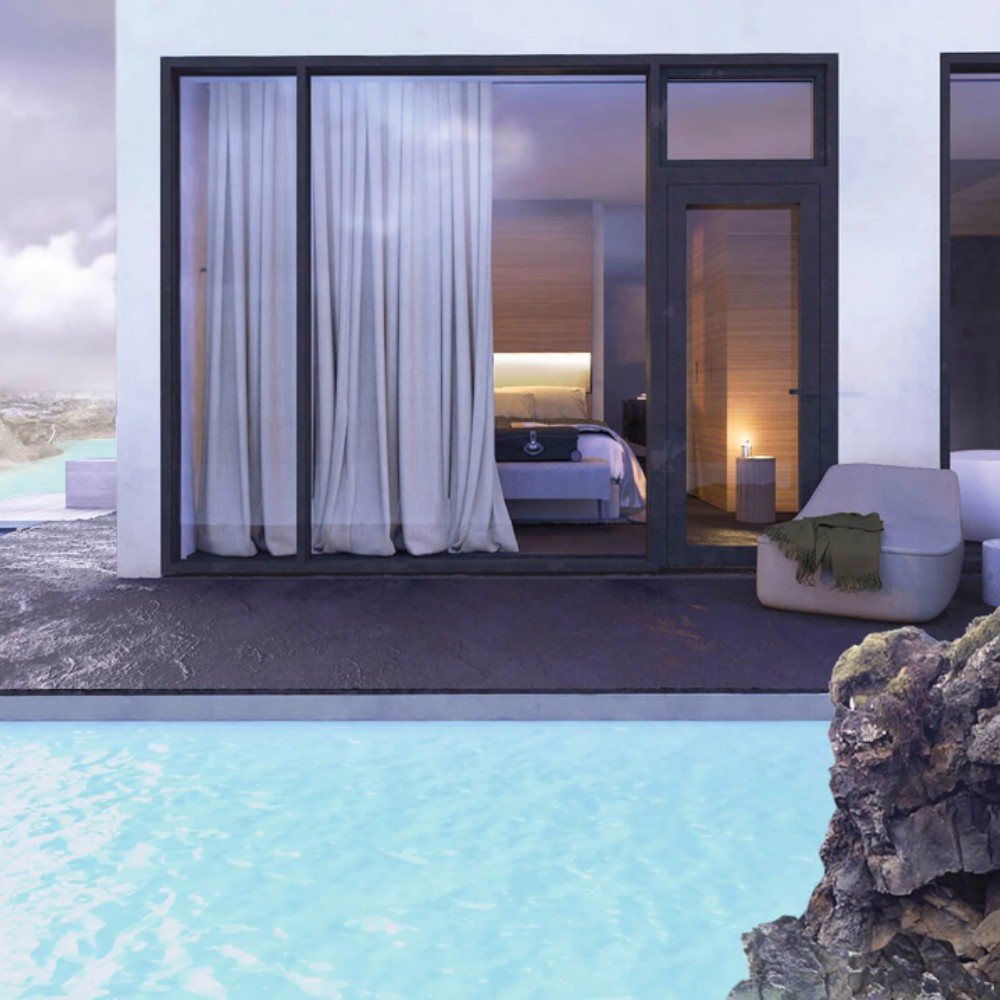
The Retreat at Blue Lagoon Iceland
Contemporary design meets natural rugged beauty
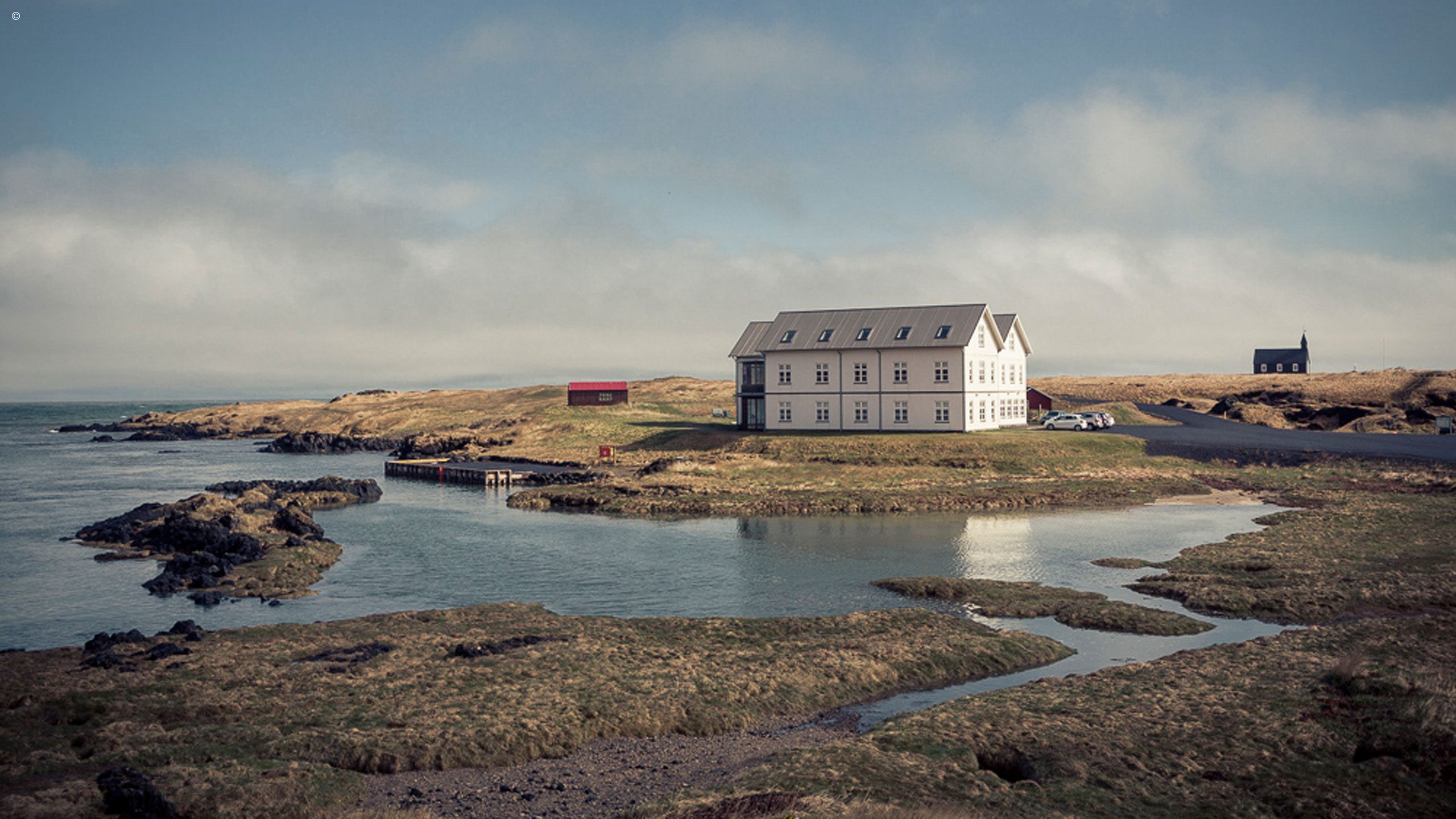
Hotel Budir
Hotel Budir is a hotel in Snæfellsnes, Iceland.
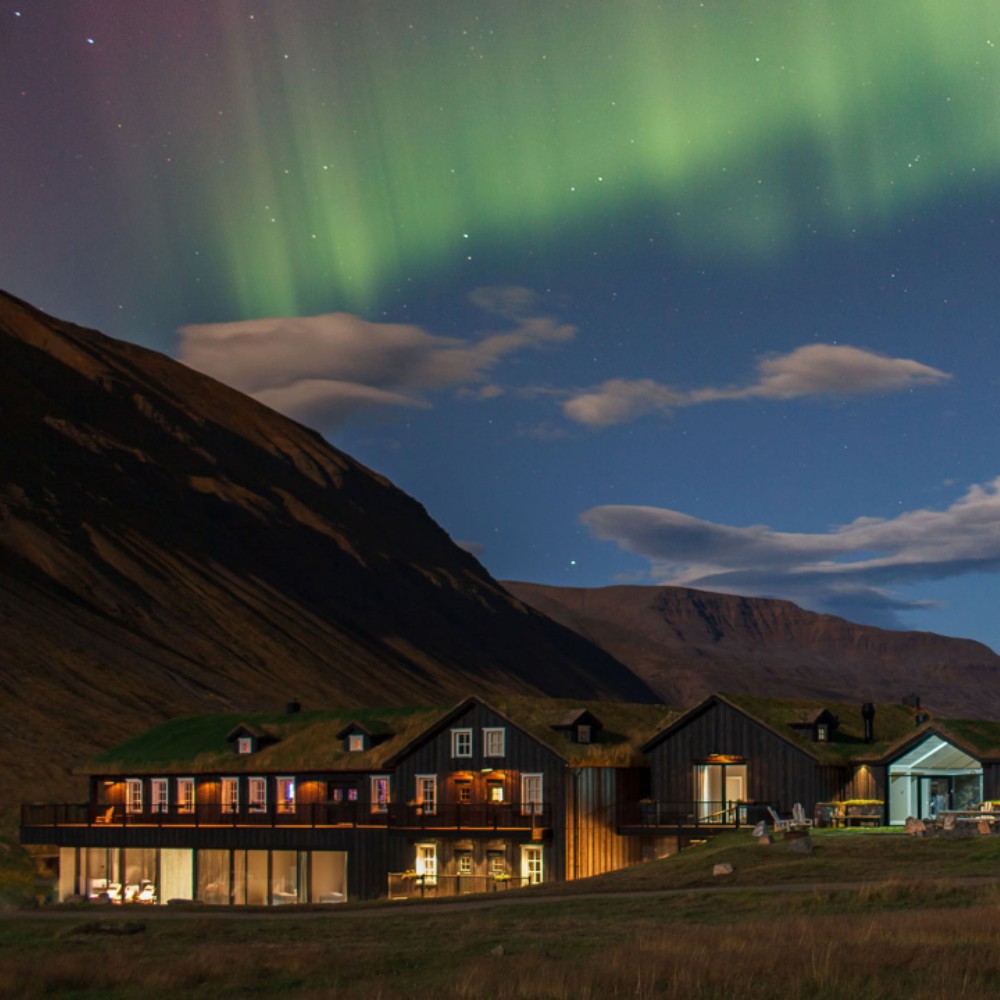
Deplar Farm
Black cladding and turf topped roofs, totally Icelandic
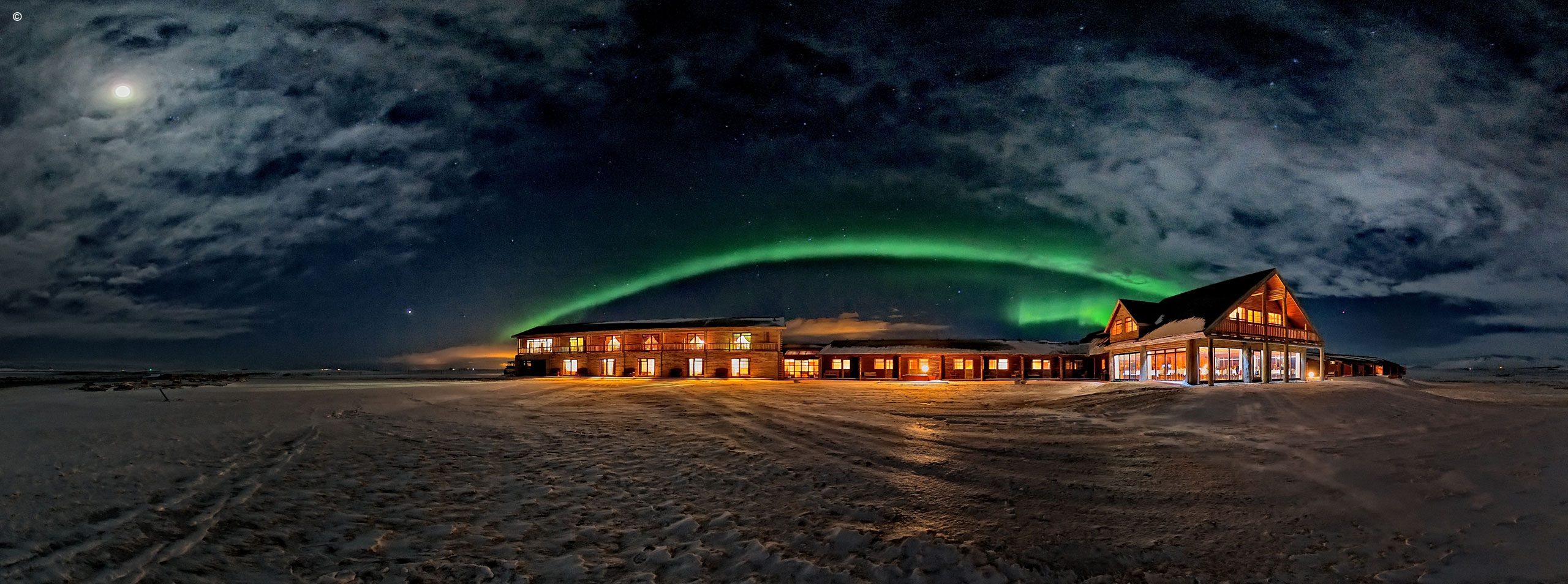
Ranga Hotel
Ranga Hotel is a hotel in South Iceland, Iceland.
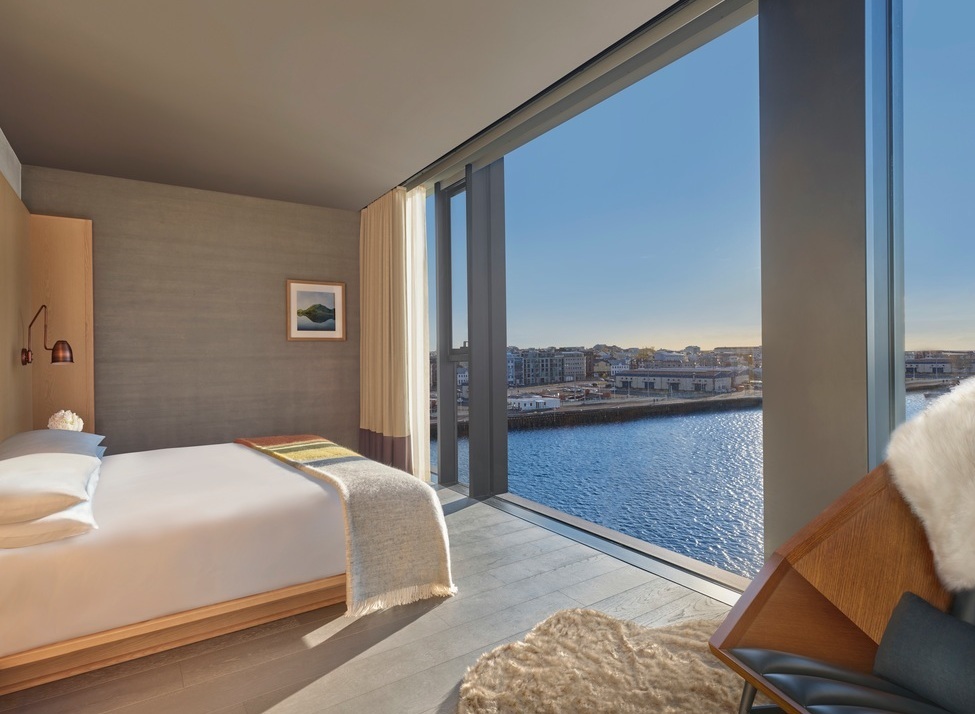
Reykjavik Edition
Waterfront design hotel in the heart of Iceland’s capital
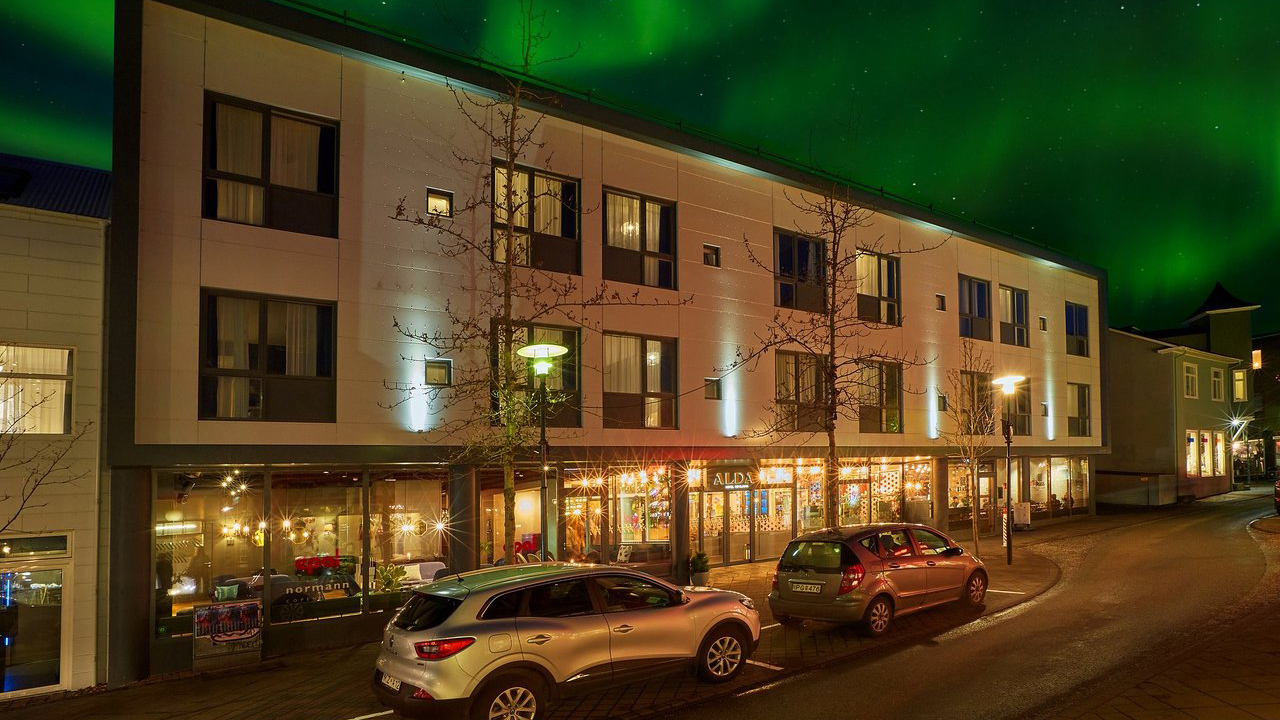
Alda Hotel
Alda Hotel is a hotel in Reykjavík, Iceland.
Ambassade Apartments
Ambassade Apartments is a place to stay in Reykjavík, Iceland.
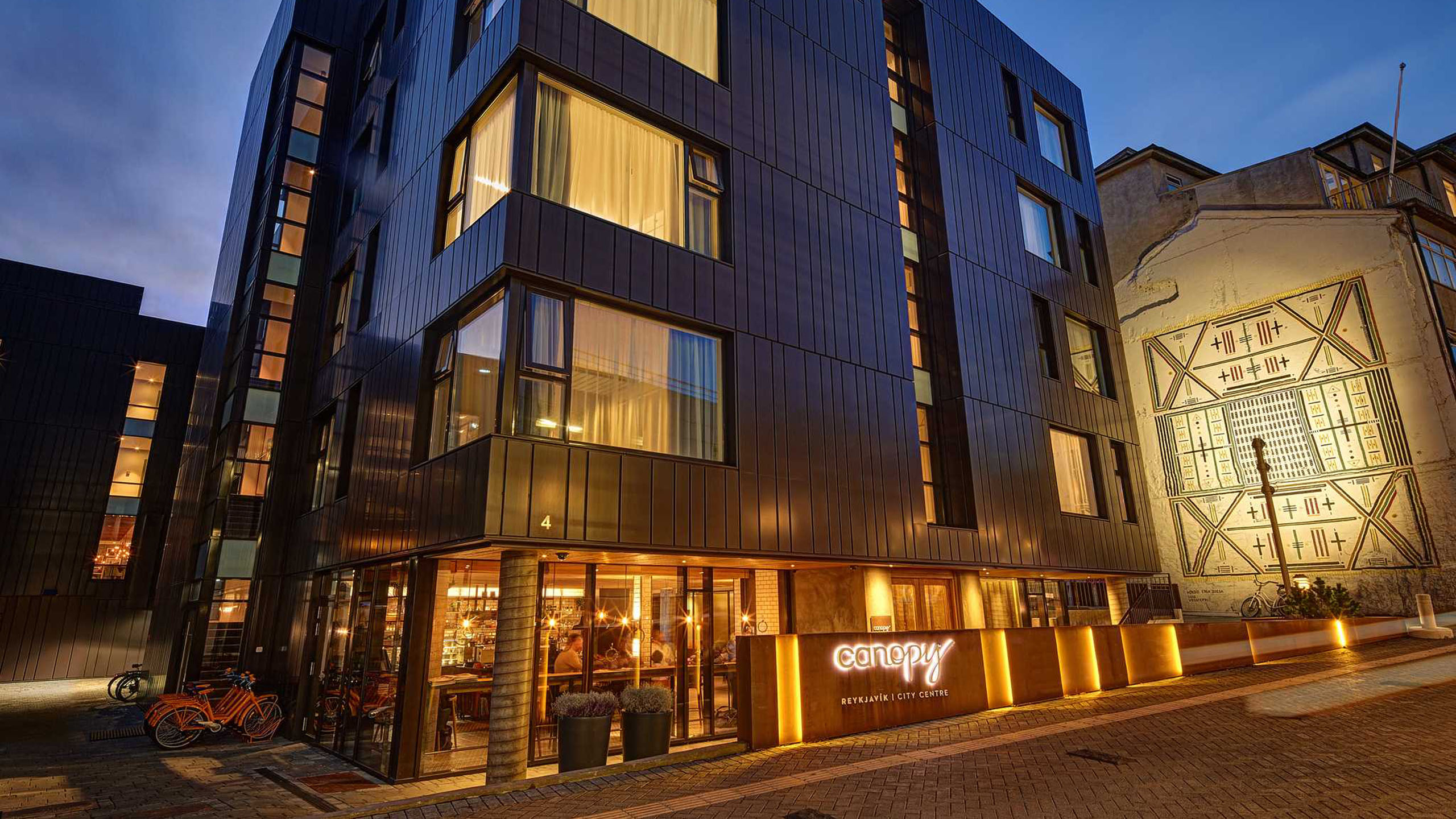
Canopy by Hilton Reykjavik City Centre
Canopy Hilton Reykjavik City Centre is a place to stay in Reykjavík, Iceland.
Ready to start planning?
Tell us what you have in mind and our travel designers will shape the first ideas with you.
Start planning