
11 min read
When Is the Best Time to Visit South Korea?
Contents
- Month by month climate guide
- South Korea in January
- South Korea in February
- South Korea in March
- South Korea in April
- South Korea in May
- South Korea in June
- South Korea in July
- South Korea in August
- South Korea in September
- South Korea in October
- South Korea in November
- South Korea in December
- The best things to do in South Korea by season
- The best time to visit Korea for cherry blossoms
- The best time to visit Seoul
- Travel guides
To see cherry blossoms, autumn leaves and more

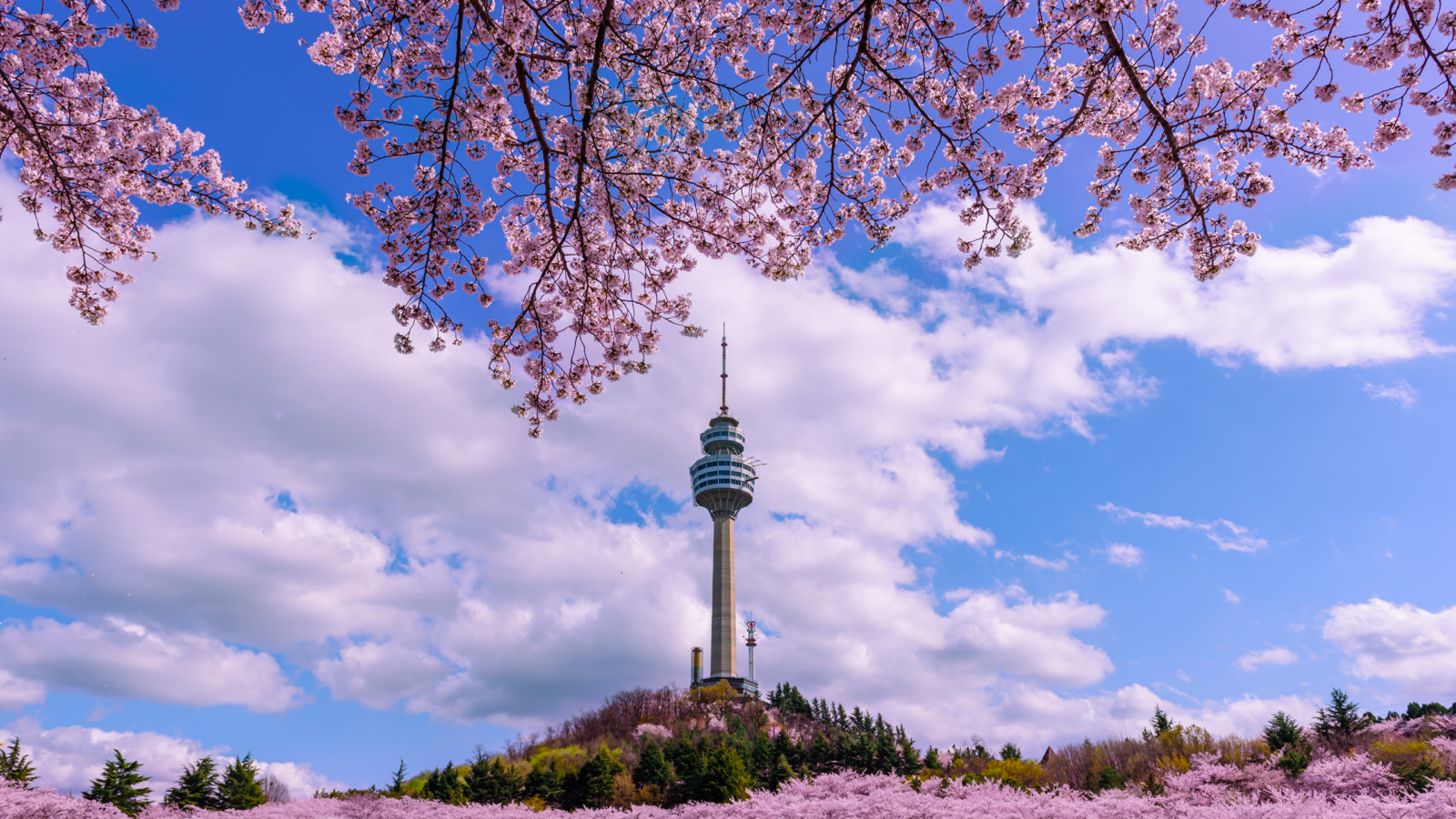
South Korea is a country of contrasting scenery and distinct seasons. Winter is frigid and snowy, while summer is hot and humid. During spring it’s one of the best places to see cherry blossoms in Asia, and in autumn it comes alive with the colours of changing leaves. The weather also varies by region, from mild coastal cities in the south to chilly mountain retreats in the north.
The best time to go to South Korea is spring (March–May) or autumn (September–November). Both of these seasons offer fantastic weather and natural beauty. Winter (December–February) is also a good time to go for winter sports. We don’t generally recommend summer (June–August), when the monsoon season brings torrential rain and uncomfortably muggy weather.
Beyond the basics, there are plenty of other reasons to travel at certain times of year, from local festivals to seasonal activities. The best time to visit South Korea depends on which part of the country you’re headed to, what you’re hoping to see and how you want to spend your days. To help you choose the perfect timing, we’ve compiled this detailed climate guide to South Korea.
Month by month climate guide
Each month in South Korea brings something different, from the sparkling snow of January to the dramatic downpours of July. Here are some of the highlights of travelling to Korea at every time of year (plus some tips on which months to avoid).
South Korea in January
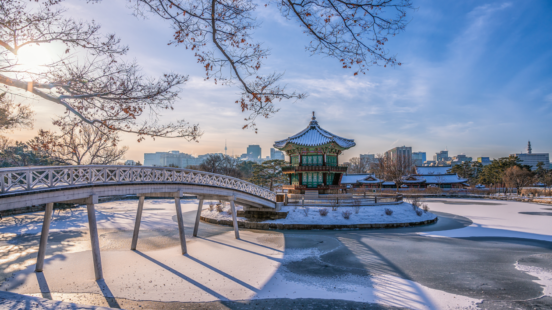
January is the coldest and snowiest month in South Korea. The average high in Seoul is just 1ºC (34ºF) and daytime temperatures are likely to dip below 0ºC (32ºF). It can get even colder in Gangwon Province, where most of the country’s ski resorts are located. This is a good month to visit South Korea if you want to avoid the peak seasons and don’t mind the cold.
South Korea in February
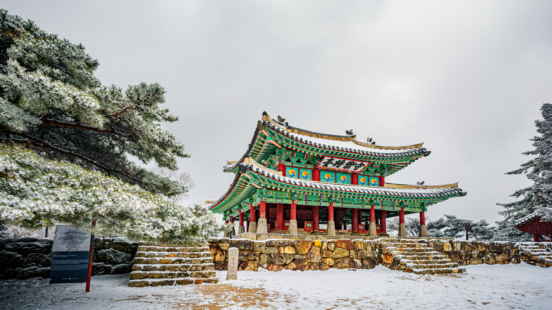
The temperature in Korea in February is just slightly higher than in January, but it can still be bitterly cold. You can expect sub-freezing temperatures throughout the country and snowfall in the north. Seoul is most likely to see snow in January or February, though it’s not guaranteed. Seollal, the lunar new year, is sometimes celebrated in this month as well.
South Korea in March
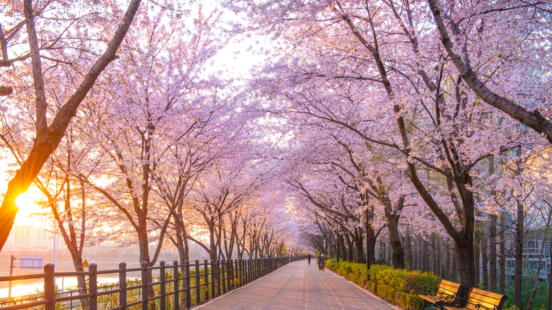
March marks the beginning of springtime in South Korea, although temperatures remain fairly low until the latter half of the month. The average temperature in Seoul is around 10ºC (50ºF), while southern cities like Busan can reach 14ºC (57ºF). The end of March often sees the first cherry blossoms, and this is also the month of the Jeju Fire Festival on Jeju Island.
South Korea in April
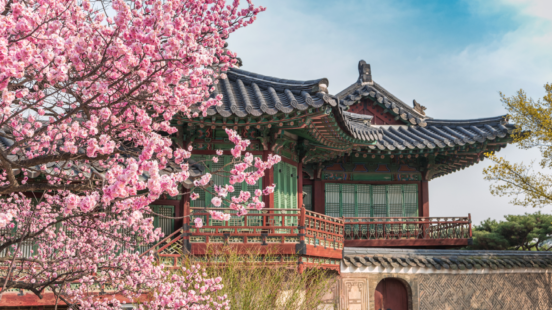
Early April is peak cherry blossom season in Seoul and one of the prettiest months to visit South Korea. Temperatures are starting to rise, with highs around 17ºC (63ºF) in the capital, 18ºC (64ºF) in historic Gyeongju and 20ºC (68ºF) in the foodie paradise of Jeonju. This is among the most popular times of year to travel to South Korea, so cities and tourist sites can get crowded.
Another thing to keep in mind is the possibility of ‘yellow dust’: a phenomenon that fills the air with dust particles from the deserts of China and central Asia. This usually happens for several days in March or April, and the lower air quality can put a damper on outdoor activities.
South Korea in May
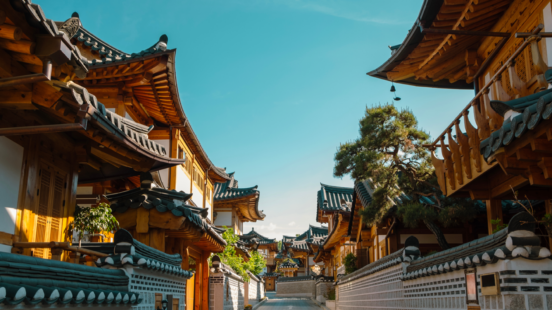
May brings fantastic weather to South Korea. Highs hover around 22–25ºC (72–77ºF) across the country, making it significantly warmer than April, although visiting in May means you’ll miss out on the cherry blossoms. If you’re hoping to spend lots of time outdoors, this month is ideal. The chance of rain increases just slightly as summer approaches, but sunny days are the norm.
South Korea in June
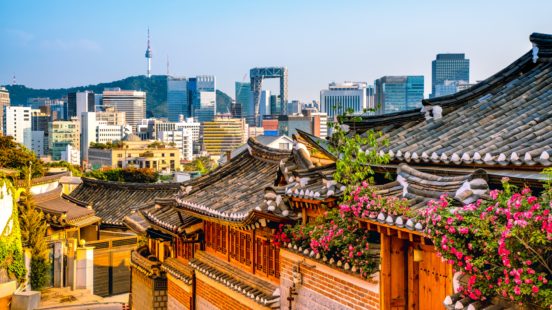
June is a transitional month between spring and summer in South Korea. The monsoon season is just beginning, so although rain is likely, some days will still have clear skies. Temperatures rise quickly, with average highs reaching 25–28ºC (77–82ºF) and humidity increasing. If you’re planning a summer trip to Korea, June offers much better weather than July and August.
South Korea in July
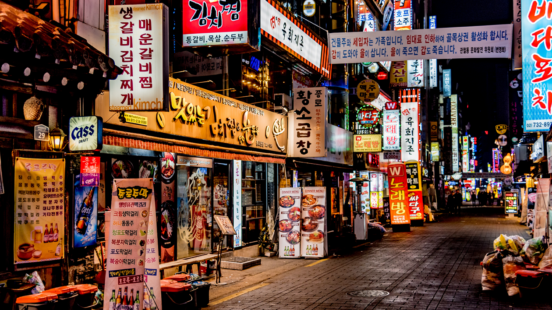
July is the rainiest month in South Korea, as the monsoon season – or jangma – is now in full swing. Expect extremely high humidity and temperatures in the upper 20sºC (low 80sºF). It can also be quite busy since schools are closed for the summer. This combination of unpleasant weather and crowds means we don’t usually suggest visiting Korea in July.
South Korea in August
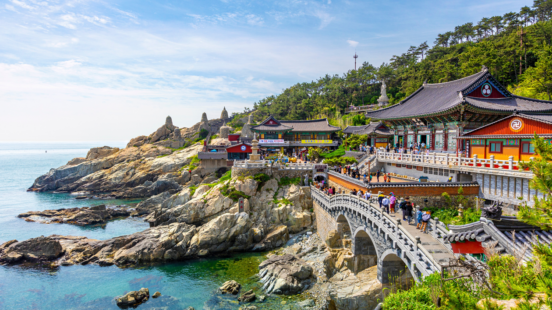
South Korea’s monsoon season continues throughout August, which is also the hottest month of the year. Temperatures can hit 30ºC (86ºF) and rain is likely, although it’s still possible to enjoy the beach when the sun is out. Coastal cities like Busan and Jeju Island are popular destinations at this time of year, but expect to share the sand with lots of other beachgoers.
South Korea in September
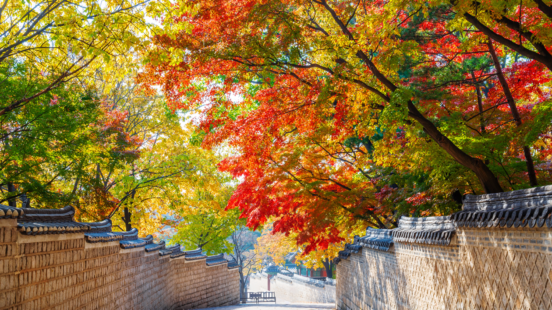
In South Korea, September represents the tail end of the summer heat and monsoons. It’s still very warm in most places, with highs around 23–27ºC (73–81ºF) and lows around 14–18ºC (57–64ºF). The autumn leaf season usually peaks in October, so the main draw of September is warm weather without the intense humidity and high rainfall of the preceding months.
South Korea in October
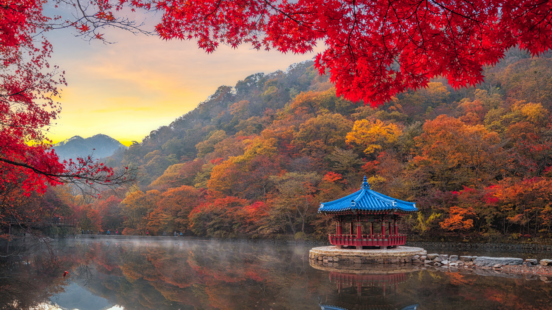
October is among the best months to visit South Korea in terms of both weather and natural beauty. This is when the leaves burst into dazzling displays of red, orange and gold, creating gorgeous scenery across the country. Temperatures drop significantly but can still reach the upper teens or low 20sºC (63–70ºF) during the day with lows around 10ºC (50ºC).
South Korea in November
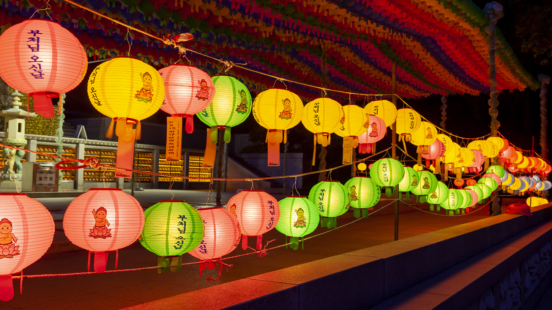
South Korea’s autumn leaf season rolls on into early November and temperatures continue to fall. This is a good time to visit if you prefer chillier days without the extreme cold of winter; temperatures in Seoul average 3–11ºC (37–52ºF) and Busan ranges from 5–16ºC (41–61ºF). The Seoul Lantern Festival and Seoul Kimchi Festival are also celebrated in November.
South Korea in December
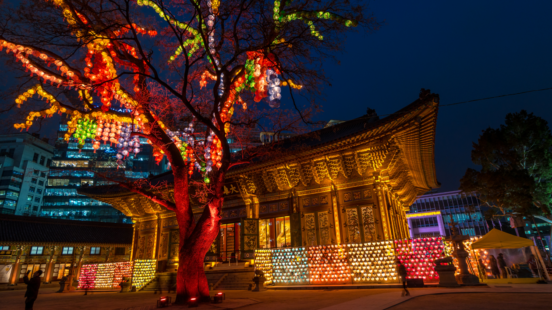
December marks the start of winter in South Korea, with temperatures dropping dramatically and snow possible in the north. Temperatures generally stay under 10ºC (50ºF) even in the south, and Seoul often drops below freezing with an average high of 4ºC (39ºF). If you’re prepared for frigid weather, however, there are lots of festive activities and decorations to enjoy.
The best things to do in South Korea by season
Because of the stark differences between the four seasons, the best things to do in South Korea vary greatly depending on the time of year. Here’s an overview of some of our favourite seasonal activities, from winter sports to annual celebrations.
Explore Jeju Island
March–May
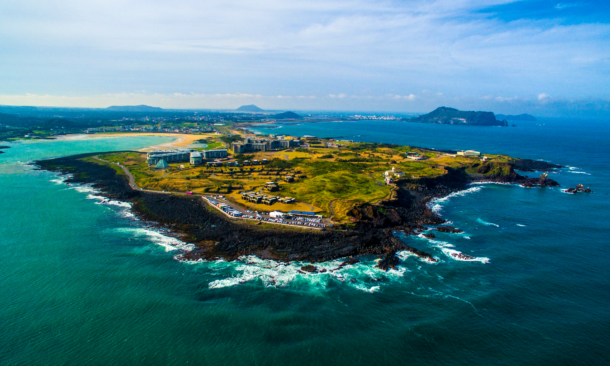
Spring is a wonderful time to visit all of South Korea, but Jeju Island is especially magical during this season. This is where the native Korean cherry tree has its roots, and it’s also the first place to burst out in powder-pink blossoms every year. Enjoy the Jeju Cherry Blossom Festival and the picturesque Seongeup Folk Village, and make sure to feast on the island’s famous seafood.
Enjoy the autumn leaves
September–November
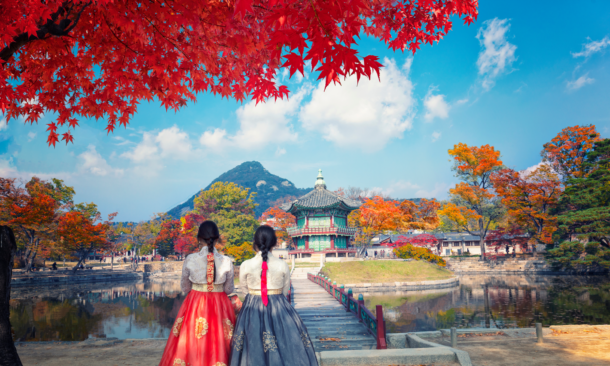
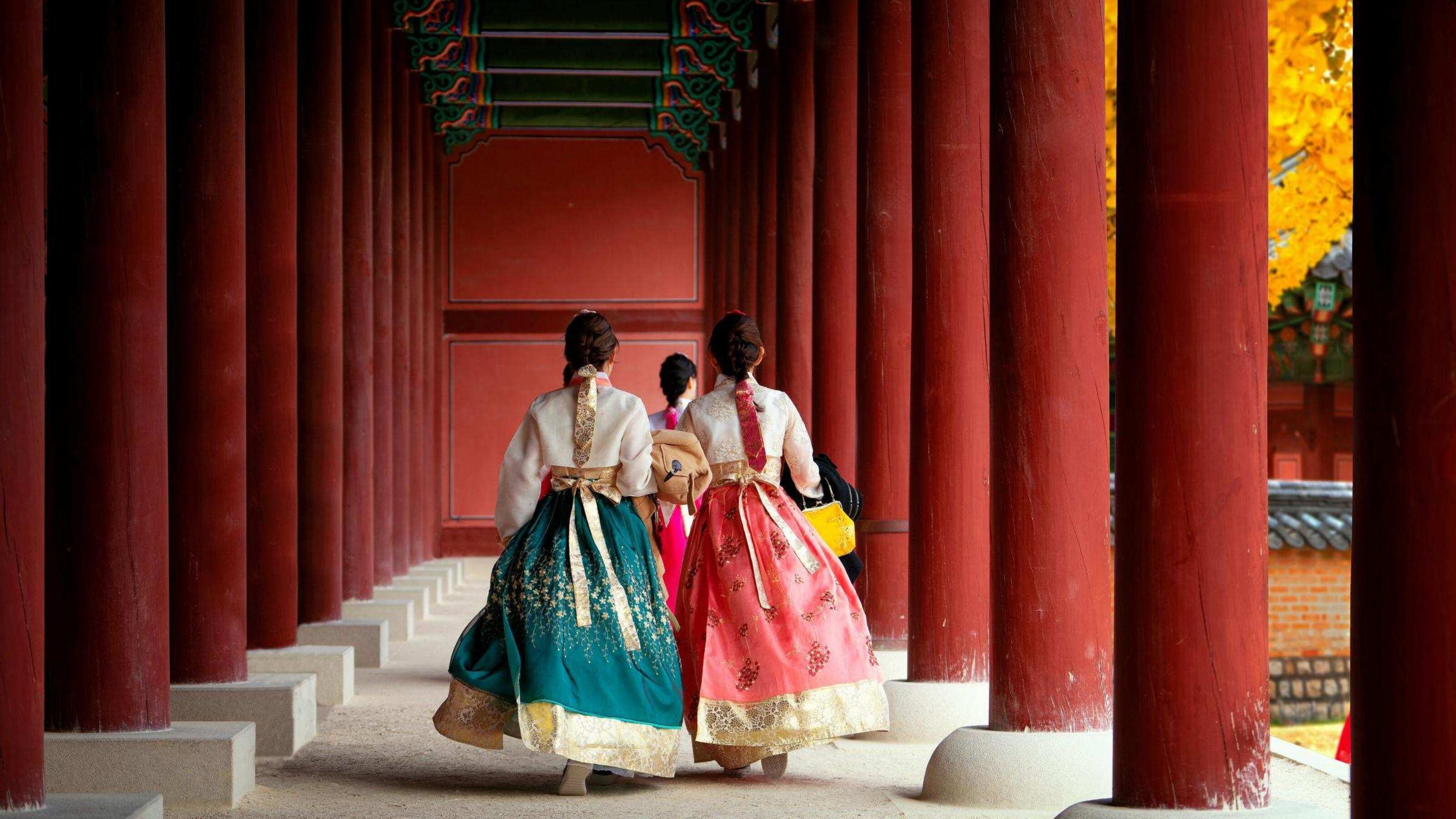
In contrast to the pastel hues of springtime, autumn paints the South Korean foliage in brilliant jewel tones. Leaf season can begin as early as September and lasts into November, but the peak usually falls in October. This is a wonderful time for outdoor adventures like hiking and visiting historic palaces, which are even more impressive amid the autumn colours.
Explore winter activities
December–February
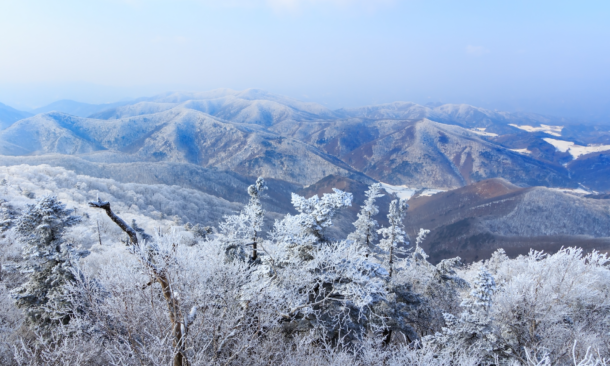
Winter in South Korea is incredibly cold, but it’s also the best time to explore winter activities at the renowned resorts in the north. In the county of Pyeongchang, which hosted the 2018 Winter Olympics, you’ll find Yongpyong: the country’s largest winter resort. It's located in Gangwon Province (one of the snowiest places in South Korea) a few hours’ drive from Seoul.
Experience local festivals
March–November
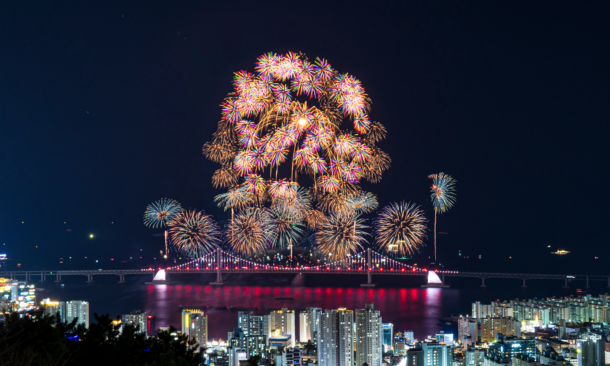
There are plenty of festivals in South Korea all year round, but most of our favourites fall between March and November. There’s the dramatic Jeju Fire Festival in March, various cherry blossom festivals in March and April, the Jindo Miracle Sea Road Festival in late April or early May, the unique Boryeong Mud Festival in July, the Busan Fireworks Festival in October and the Seoul Lantern Festival in November – and those are just a few highlights.
The best time to visit Korea for cherry blossoms
If you want to see the cherry blossoms in full bloom, the best time to travel to Korea is late March through mid-April. The farther south you are, the earlier the flowers bloom; on Jeju Island they often appear at the end of March, whereas Seoul usually sees the first flowers in early April. The best time to see the blossoms in all their glory is about a week after they first emerge.
Although Japan is often associated with this flower, Korea’s cherry blossom season is just as lovely. Called beotkkot in Korean, the flowers here are actually larger than their Japanese counterparts. Make sure to check out one of the beautiful festivals celebrating them, like the Yeouido Spring Flower Festival in Seoul or the Jinhae Cherry Blossom Festival near Busan.
The best time to visit Seoul
The best time to visit Seoul coincides with the best time to visit South Korea in general: spring or autumn. These seasons promise pleasant temperatures of around 10–25ºC (50–77ºF), with the weather steadily warming up from March to May and dropping again from September to November. These conditions are ideal for exploring the country’s capital.
Keep in mind that Seoul can get quite cold in the winter, often dropping below 0ºC (32ºF) in January. Temperatures are likely to rise to 29ºC (85ºF) at the height of summer in August, which is also very humid and busy thanks to the annual school holidays. You can still travel during these months if you don’t mind the weather, but we suggest spring or autumn instead.
Travel guides
The Best Things to Do in South Korea
There are many fascinating things to do in South Korea. Learn how to cook traditional dishes, celebrate festivals, visit museums, wander city forests and much…
Read moreWhen Is the Best Time to Visit South Korea?
To see cherry blossoms, autumn leaves and more
Read more
The Best Wellness Retreats in Asia
Delve into the world of wellness, discovering holistic retreats that blend ancient medicine with nourishing treatments and deliciously healing food. Discover o…
Read more
The Top Forts and Palaces to Visit in India
Explore our curated guide showcasing how India's top palaces have been transformed into spectacular hotels and historic sites.
Read more
The Best Time to Visit Asia
Asia is an incredible continent with a diverse range of climates across its many regions. Here, you’ll find snowy scenes, rainy seasons, blooming wildflowers a…
Read more
The Most Beautiful Places to Visit in Asia
Presenting our curated collection of Asia's most beautiful places, this guide moves between peaceful temples, dynamic cities and spectacular natural landscapes.
Read more
Trip inspiration
A Cultural Discovery of South Korea and Japan
Discover both South Korea and Japan on this privately guided journey of their highlights. Experience ancient history, ultra-modern metropolises, time-honoured…
Explore trip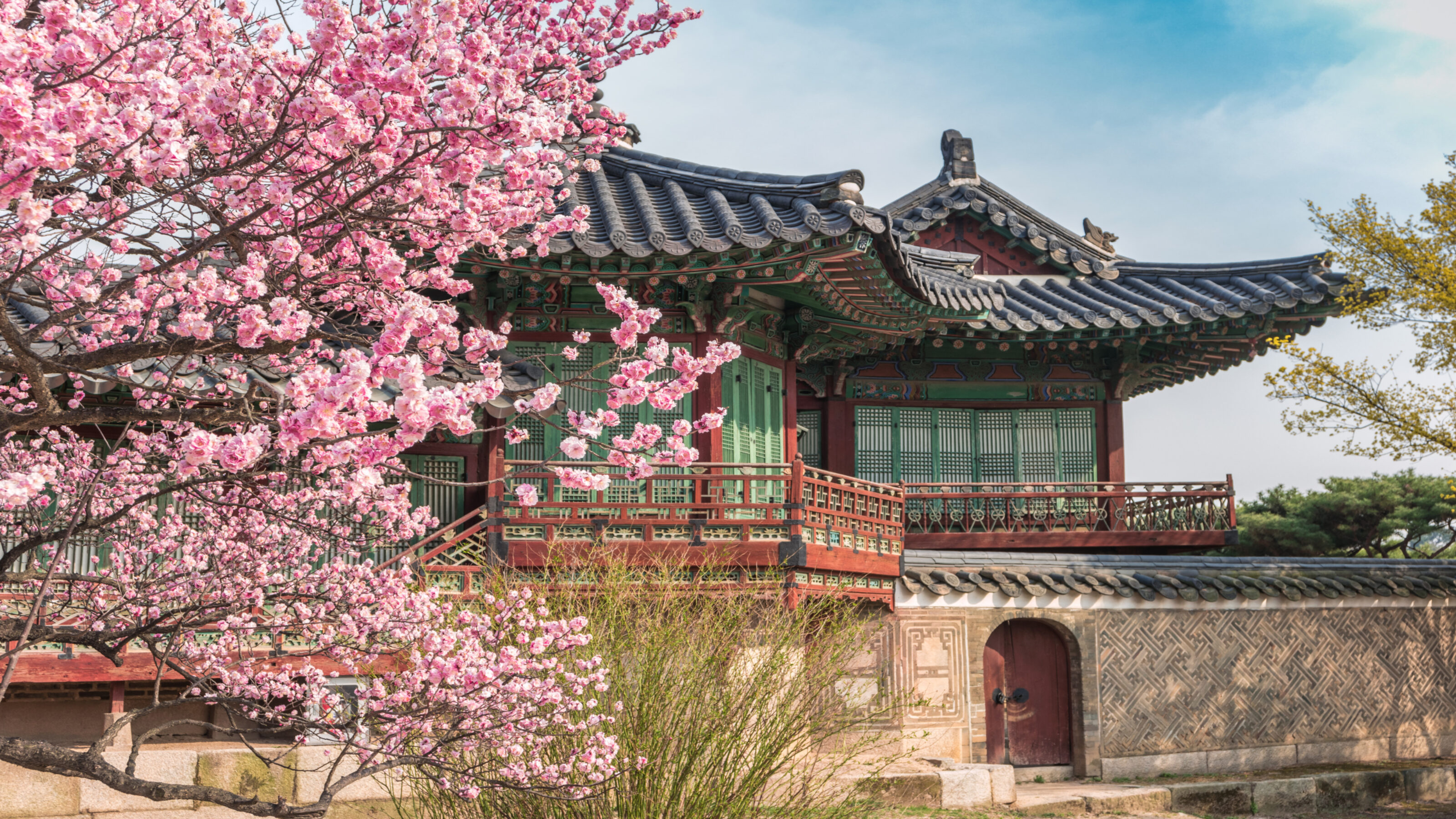
Cherry Blossoms in South Korea
On this six-day journey, you will get to experience the stunning South Korea cherry blossoms. Begin in Seoul, where the city’s parks and streets burst into a k…
Explore trip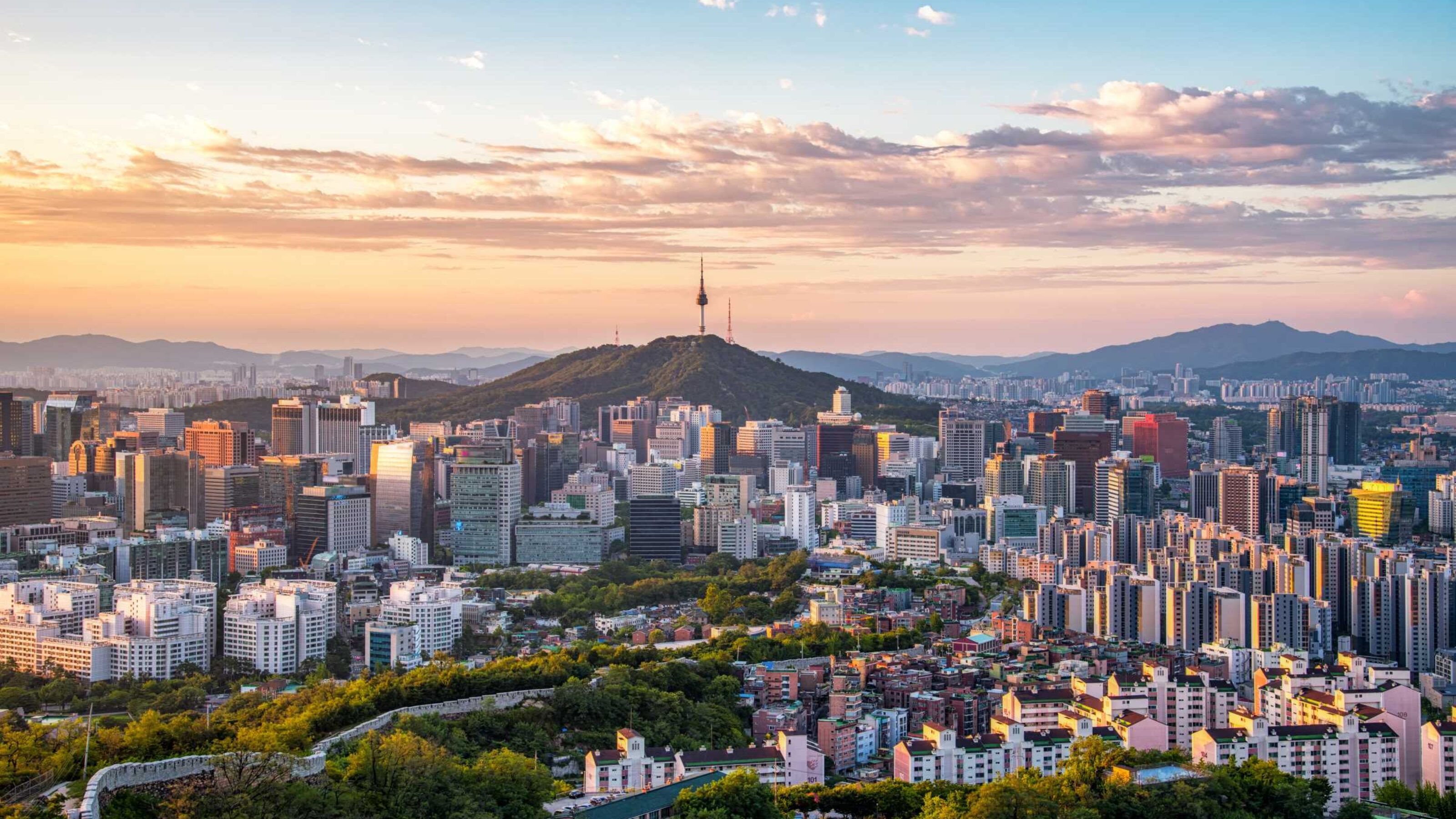
Complete South Korea
Explore South Korea's highlights in 11 days, starting in bustling Seoul with its blend of ancient palaces and modern skyscrapers. Discover historic neighbourho…
Explore tripWhere to stay
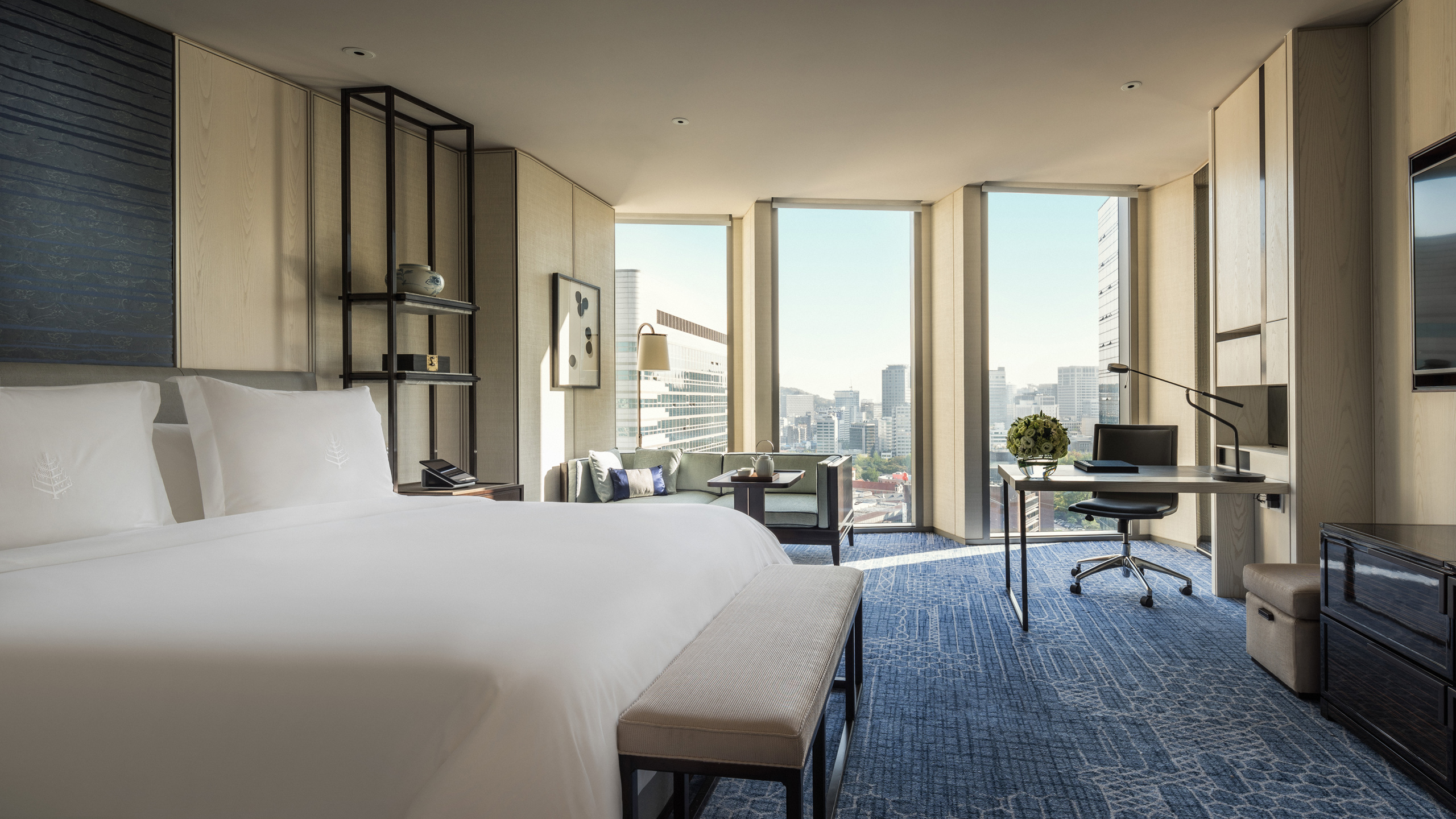
Four Seasons Seoul
Four Seasons Seoul is a place to stay in Seoul, South Korea.

Park Hyatt Busan
Park Hyatt Busan is a place to stay in Busan, South Korea.
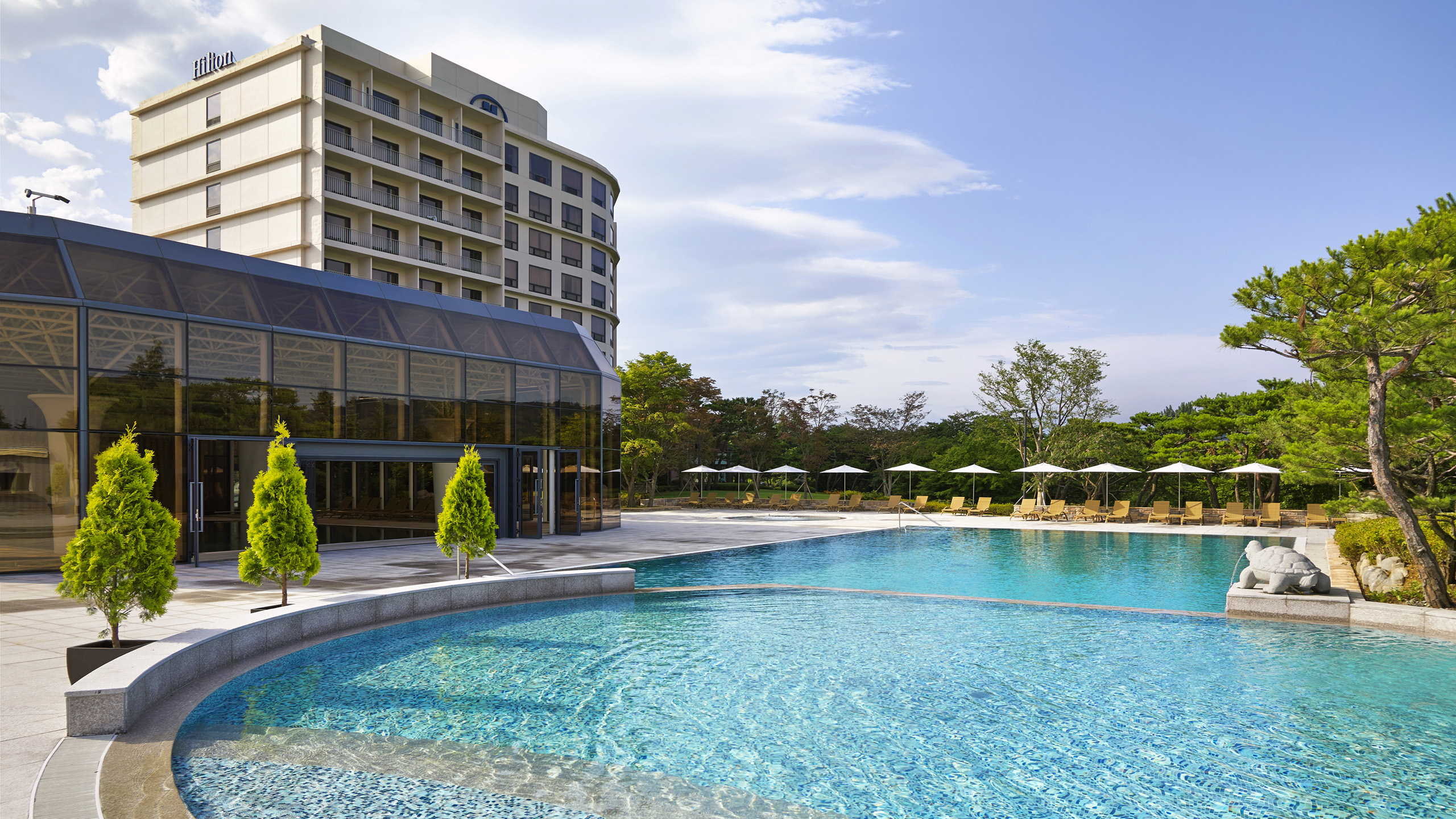
Hilton Gyeongju
Hilton Gyeongju is a place to stay in Gyeongju, South Korea.
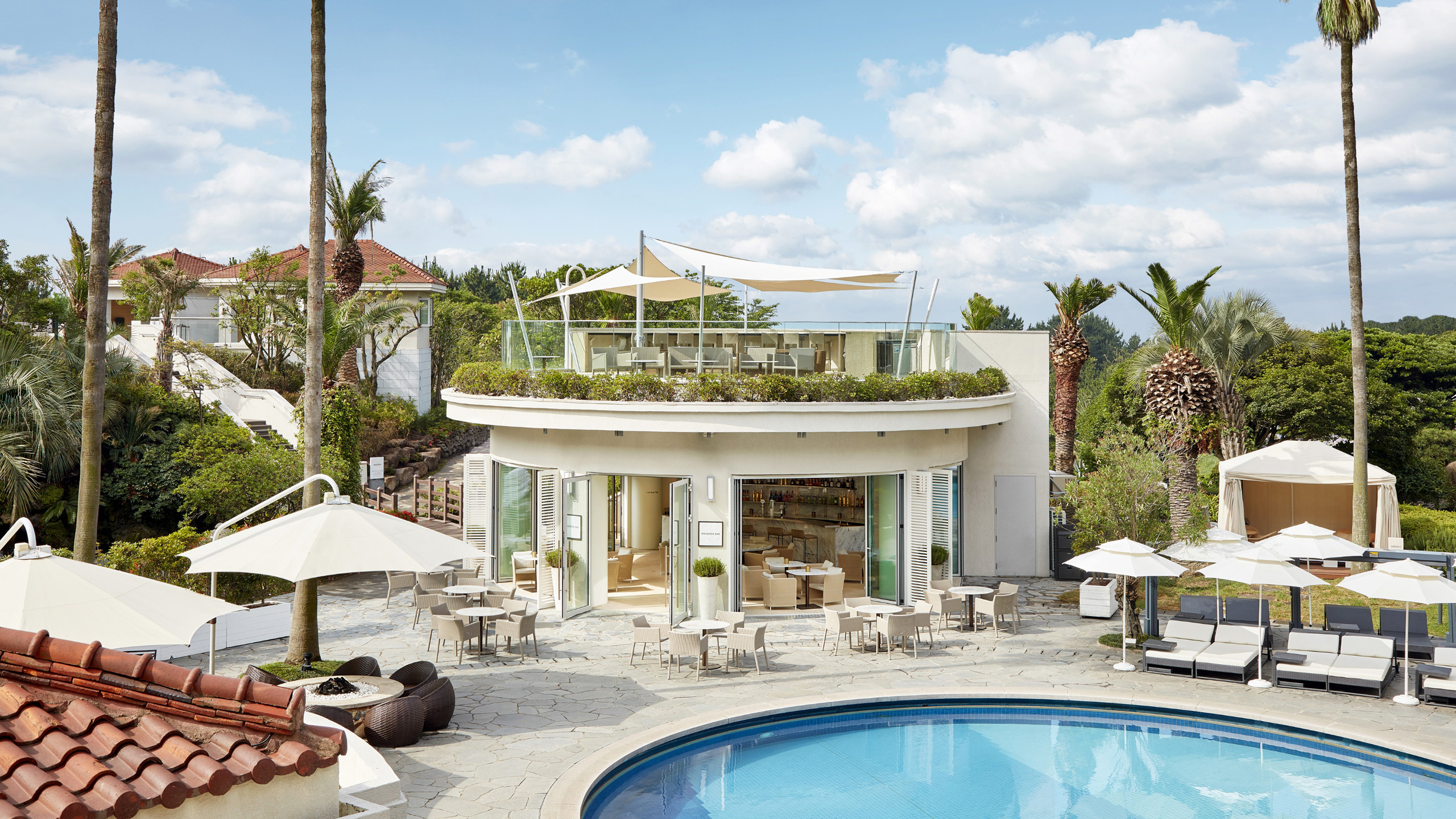
Shilla Jeju
Shilla Jeju is a place to stay in Jeju Island, South Korea.

Park Hyatt Seoul
Park Hyatt Seoul is a place to stay in Seoul, South Korea.
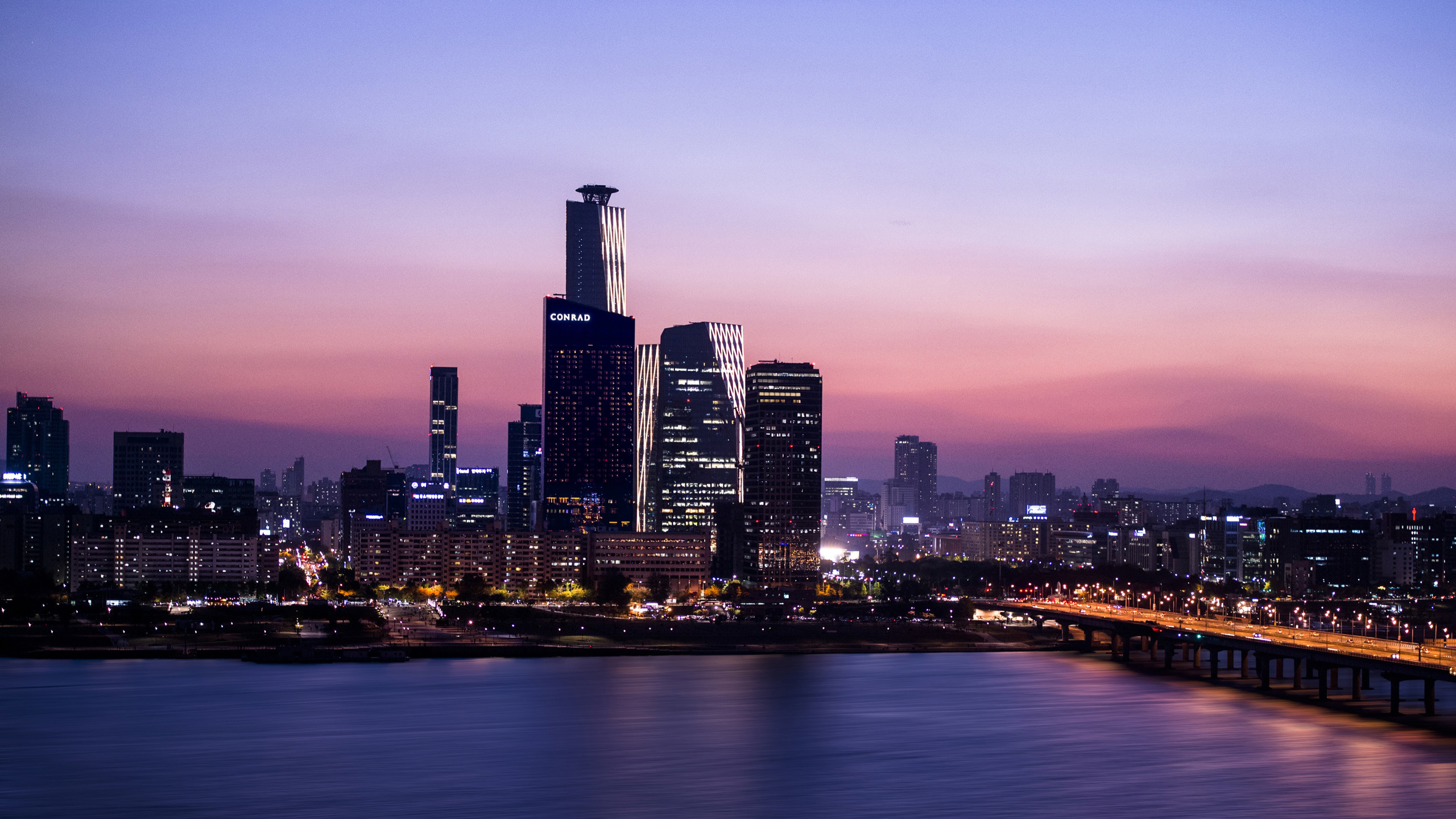
Conrad Seoul
Conrad Seoul is a place to stay in Seoul, South Korea.
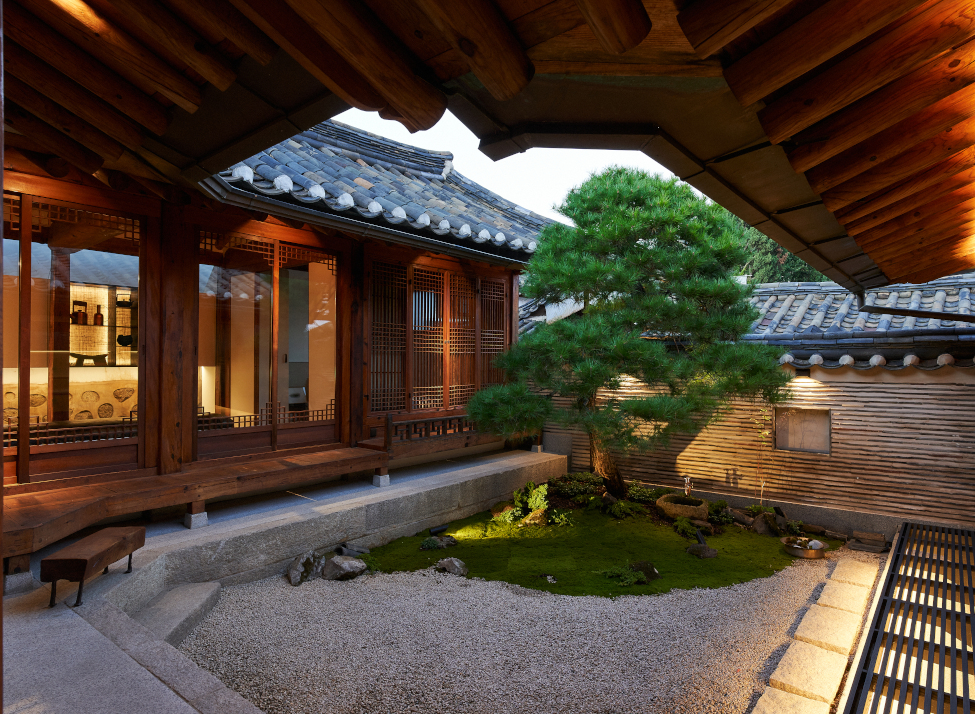
Nostalgia Hanok Hotel
Historic hanok houses reimagined for private stays in Bukchon
Ready to start planning?
Tell us what you have in mind and our travel designers will shape the first ideas with you.
Start planning