6 min read
Argentina vs. Chile: Which Has the Best Wine Region?
Contents

We are often asked whether it’s better to go to Argentina or Chile for wine exploration, and there is no straightforward answer.
These two South American wine regions are both well worth a visit, but the little differences between them may sway travellers towards one slightly more than the other.
To help you choose whether to visit Argentina’s Mendoza or Chile’s Central Wine Valleys, this is our comprehensive wine tour guide to the wine regions of Argentina and Chile.
Which is the bigger wine region?
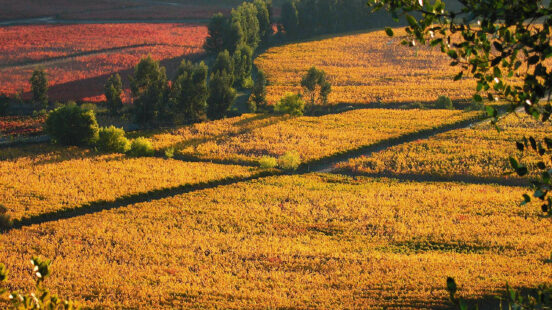
Argentina’s Mendoza and Chile’s wine regions are often pitted against one another. When it comes to deciding whether to visit Argentina or Chile for the wine, though, it’s worth comparing the amount of vineyards there are to visit in each country, as well as the variety of grapes.
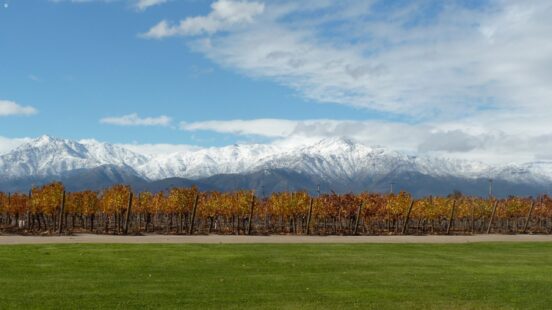
Chile’s wine region covers almost the entire length of the country, stretching from the far north Copiápo valley near the Atacama desert to the Osorno in the deep south of the Austral. Chile’s Central Valley is home to the most successful wineries, such as those found in the Maipo and Colchagua valleys, as well as the ones which sit directly across the Andes from Mendoza.
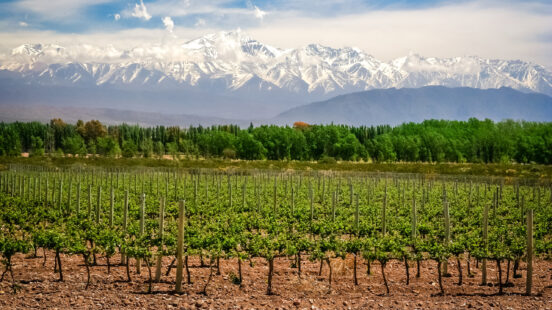
In Argentina, vineyards can be found in the northern Cafayate region, as well as the San Juan, La Rioja, Catamarca and Rio Negro provinces. Mendoza still produces 60% of Argentina’s wine, so true oenophiles should head to Mendoza to discover some of the best wines Argentina has to offer. Chile’s scope and size of vineyards is therefore much larger than Argentina’s, but both countries are known for different specialities.
White vs red varieties
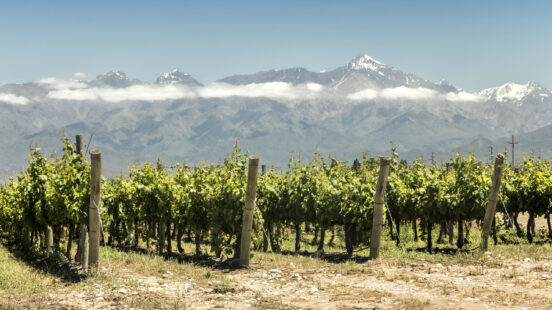
It is no coincidence that Mendoza lies across the Andes from Chile’s most successful wine region. The vines here that grow in the Andean foothills, across the Chilean Central Valley and Mendoza’s Maipu, Uco and Lujan de Cuyo valleys, tend to grow well due to the range of temperatures between night and day. Being fed by the carefully irrigated waters running off the mountain’s snow caps also means these vines produce less acidic grapes. In Mendoza, high altitudes help ward off grape diseases and allow for even greater success in cultivating organic wines.
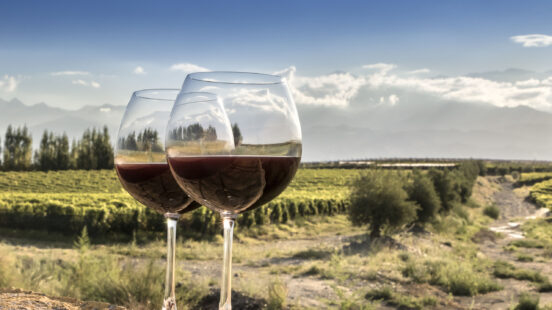
The geographical relief, Pacific winds and humidity mean that Chile has traditionally lent itself towards growing white grape varieties. Sauvignon Blanc and Chardonnay are staples here. The red Cabernet Sauvignon, Merlot and Carmenère varieties, though, are also not unheard of in Chile. Argentina is better known for its red varieties of Malbec, Tempranillo and Syrah. It’s famous for its whites too, as Torrontes, Chardonnay and Chenin Blanc are also grown here. The Italian immigrant population has also led Mendoza to recently become more active in cultivating world-class Italian varieties such as Sangiovese and Raboso.
Culture and heritage of the wine regions
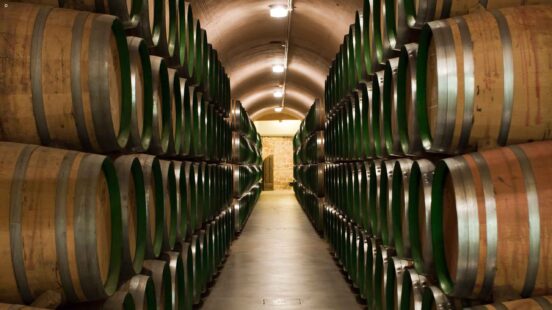
With little to separate Argentina and Chile’s wine regions, the distinction between them often comes down to their heritage. Argentina’s wineries were founded when Spanish, French and Italian immigrants came over from Europe. In Chile, it is said that the growing aristocracy during the mid-19th century returned from France with a newfound appreciation of vinicultural craft that they wished to recreate at home.
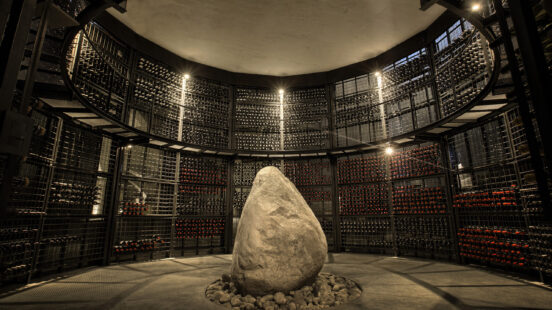
The domestic consumption of Argentinian wine is double that of Chile’s. As a result, Chile’s wine has been geared more towards the international market, making it more well known across the globe. While this may lead punters to choose Chilean wines over Argentinian varieties, nowadays Argentina is catching up to its neighbour. The celebrated wineries of Catena, Zuccardi and Peñaflor are world renowned, not to mention the tremendous global success of the Malbec grape variety that is now inherently regarded as Argentinian.
Jacada experiences in the wine regions

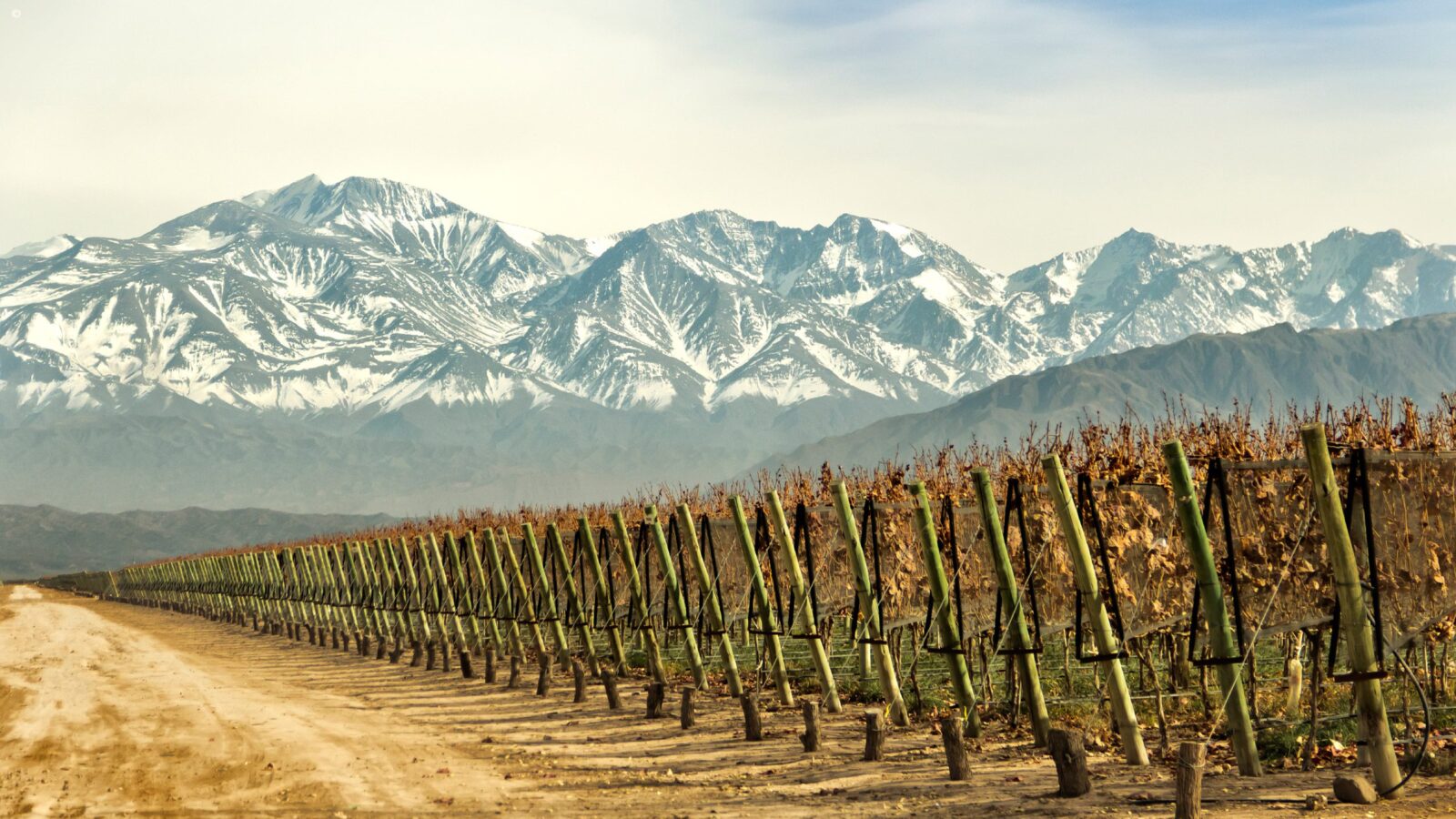
Mendoza is the heart of Argentina’s wine industry and one of the country’s most picturesque regions. Vineyards blanket the landscape and ordered rows of vines are backdropped by the majestic Andes mountains, the perfect destination for Argentina wine tours. As well as enjoying the good life in Mendoza, there is a plethora of activities to enjoy. From rafting in the foothills of the Andes to exploring the land on bike or horseback, Mendoza has much to offer beyond wine.
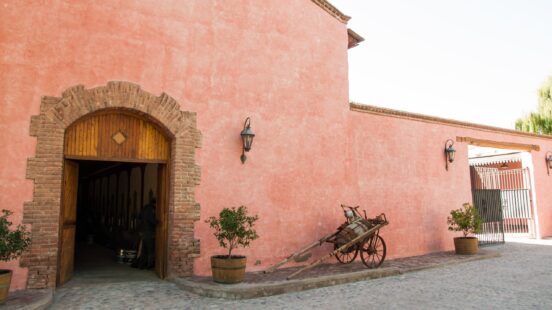
For true oenophiles, though, there are few better experiences than a full day tour of the Mendoza wineries. The Central Valley and the Primera Zone (closest to the city of Mendoza) includes the counties of Luján de Cuyo, Maipú, Guaymallén and Godoy Cruz. A private tour of Mendoza’s most renowned wineries can be entirely specialised to travellers’ wine preferences, so you can get an unforgettable tailor-made glimpse into what Argentina’s wine country has to offer.
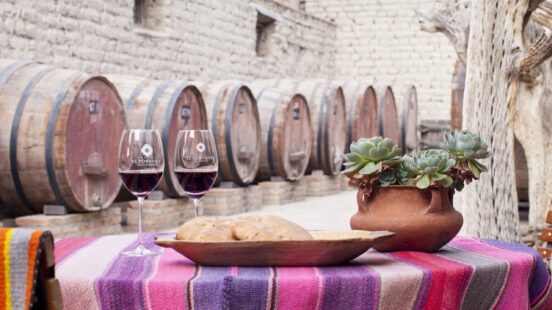
On the tour, you’ll be able to visit three different wineries. To compare and contrast the different options, it’s best to choose a mixture of smaller, boutique establishments and larger operations. Visitors can round off a busy day of wine exploration with a gourmet tasting lunch at a top Bodega restaurant, expertly matched with local wines.

In Chile, staying at the stunning Vik Millahue gives you ample opportunity to explore the country’s rich wine region. In the Casablanca valley, a half day Indomita and Casas del Bosque winery tour allows travellers to discover a relatively young wine area. Innovative winemakers only started planting vines in the mid-1980s, but it’s now firmly on the map as one of the best wine regions in the world.
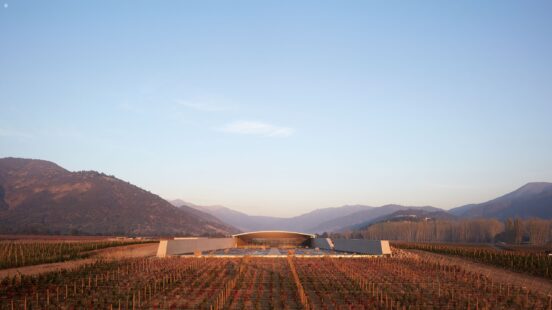
Thanks to the warm temperatures during the day and the cool coastal temperatures at night, this valley produces a magnificent array of both red and white wines. At the beautifully set Indomita vineyard, famed for its Sauvignon Blanc and Pinot Noir, travellers can begin with an informative tour and tasting before moving onto the boutique Casa del Bosque vineyard for another tour and tasting session.
Trip inspiration
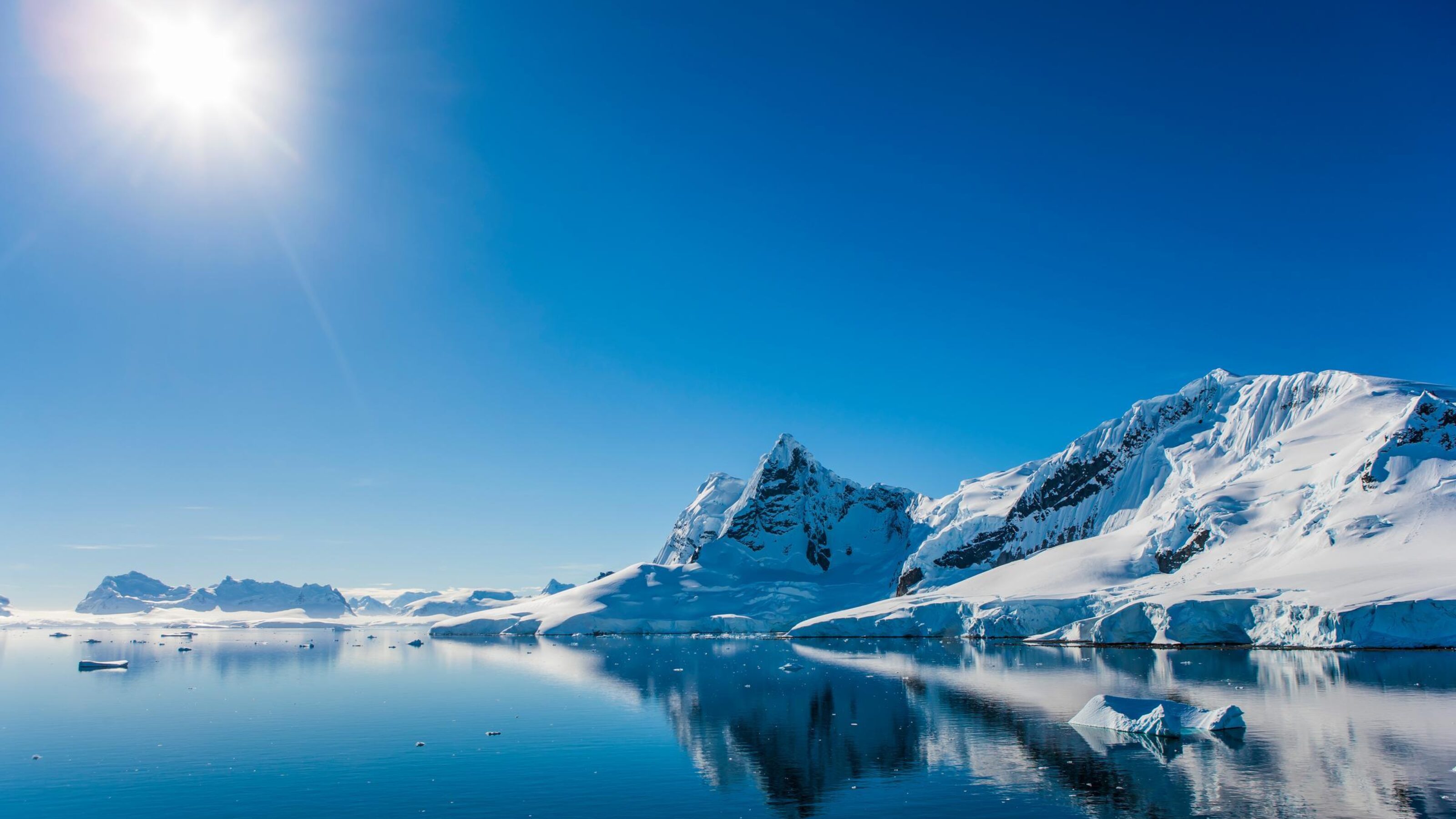
A Classic Antarctica Cruise
Book-ended with stays in sultry Buenos Aires, this 14-day Classic Antarctic Peninsula Cruise will take you on an extraordinary journey to the White Continent.…
Explore trip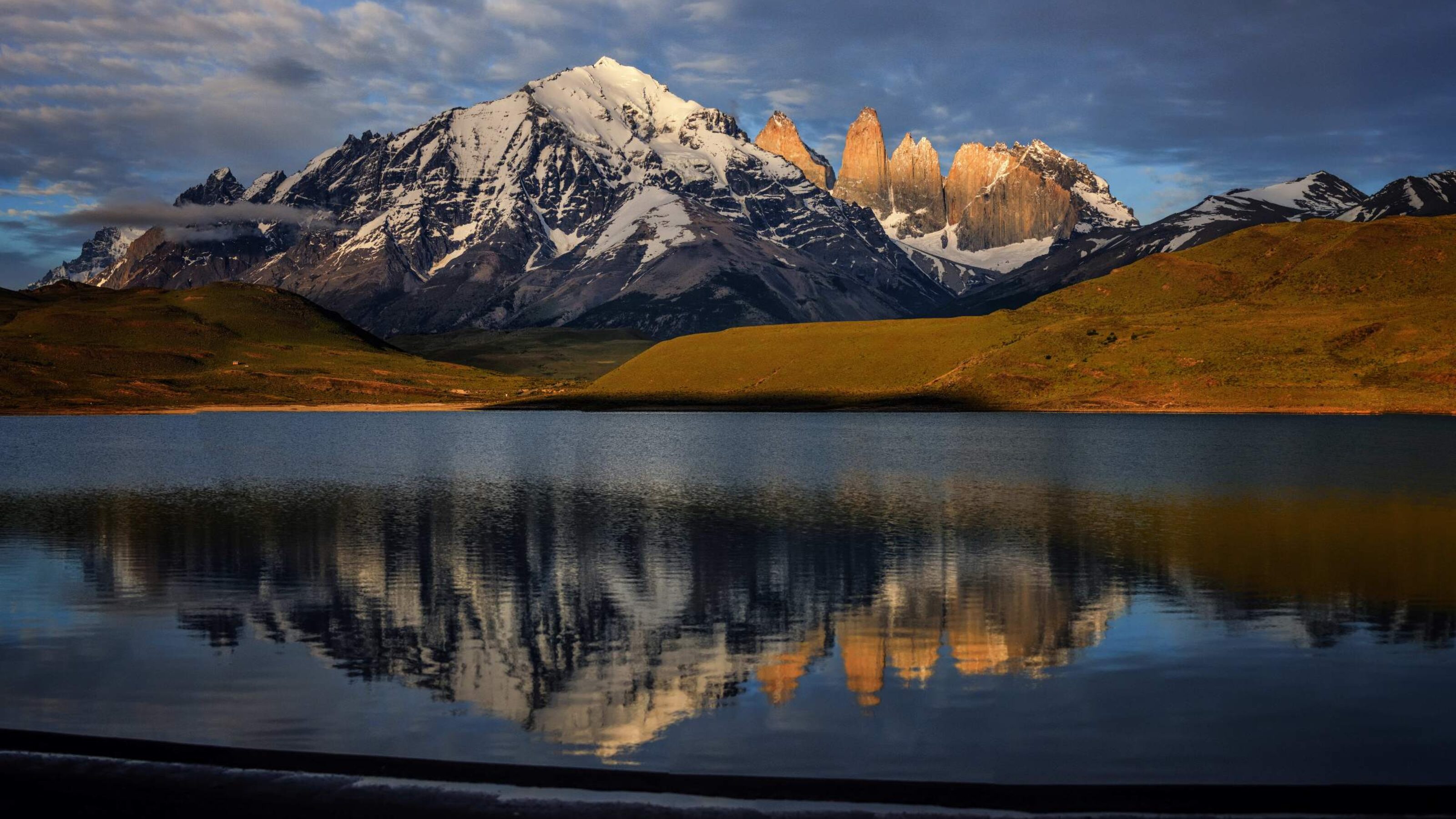
A Luxury Chilean Patagonia Tour
Travel in luxury to experience the outstanding natural beauty of Chilean Patagonia, discovering the National Parks of Torres del Paine and the Lake District. S…
Explore tripWhere to stay
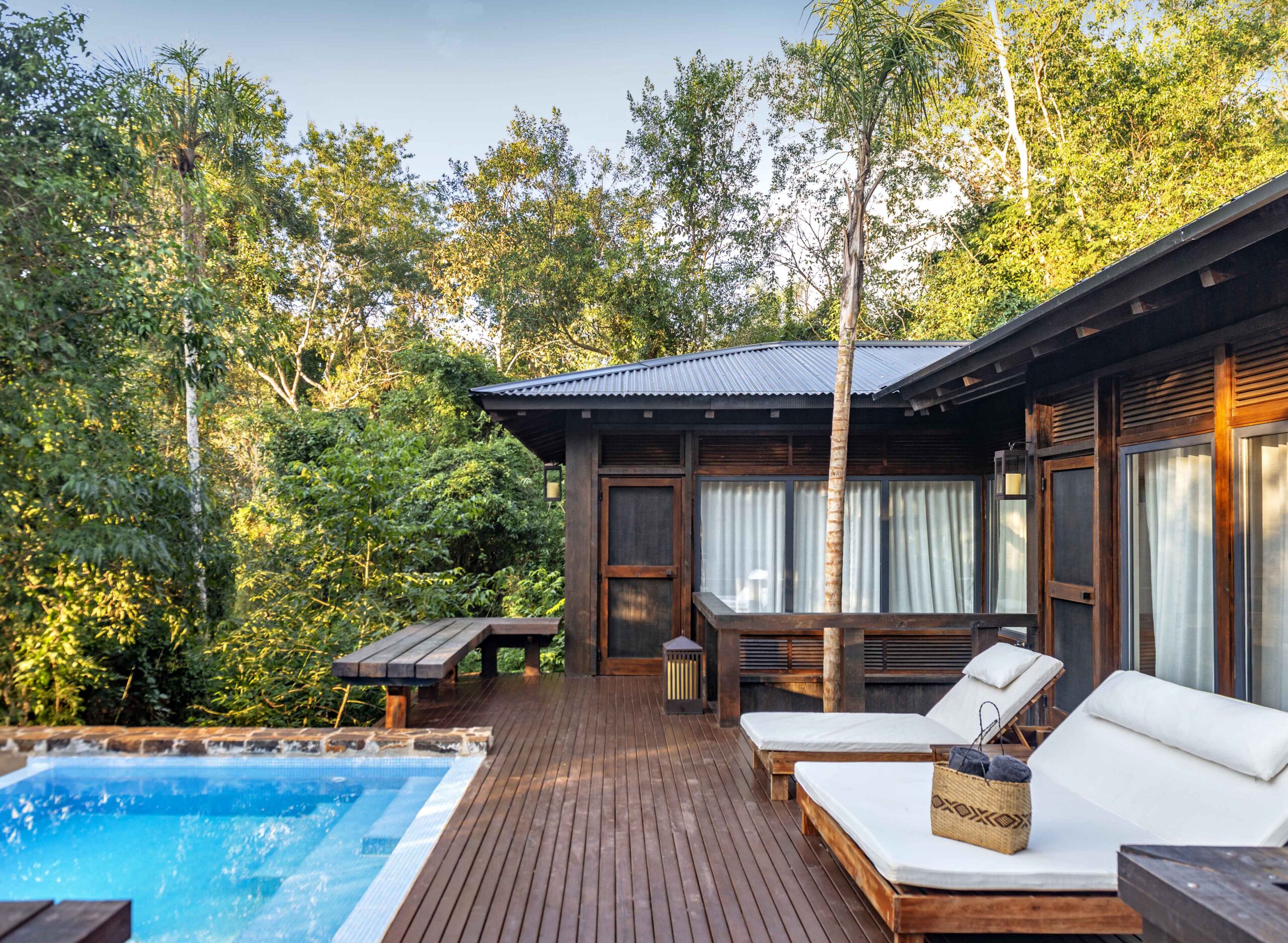
Awasi Iguazu
Luxury villas near the mighty Iguazu Falls
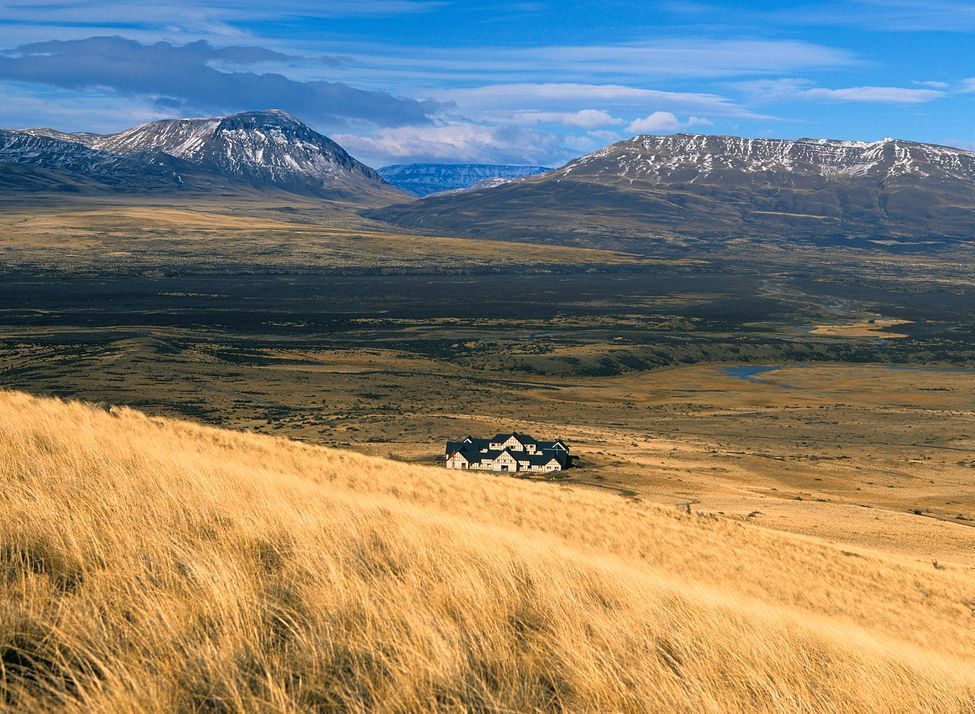
Eolo
Surrounded by lakes, vast plains and the imposing peaks of the Andes, this is nature at its very best
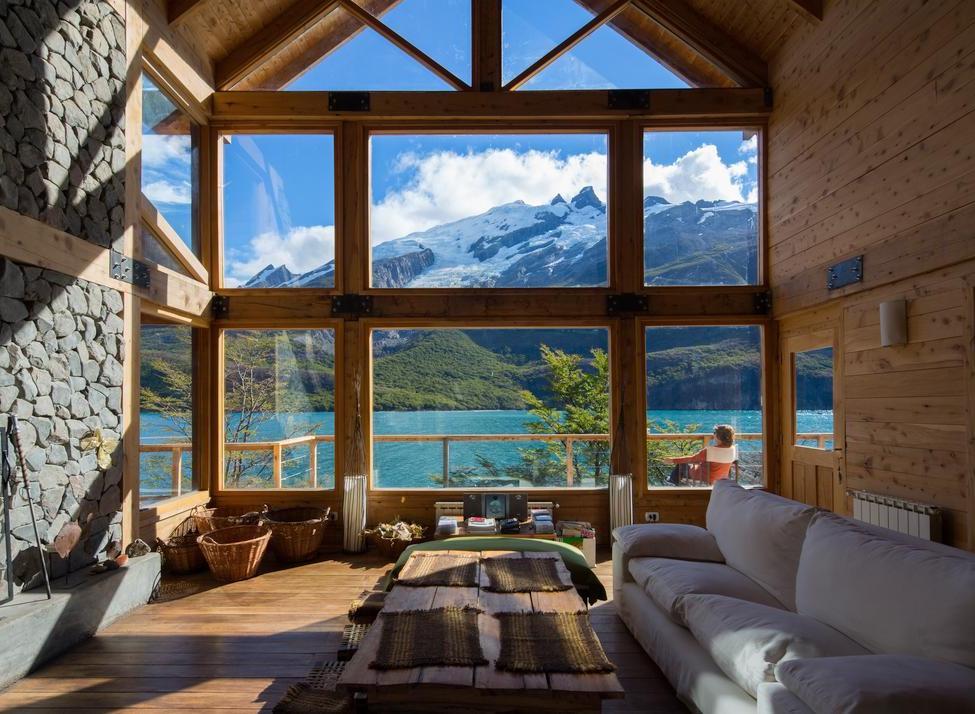
Aguas Arriba Lodge
Aguas Arriba Lodge is a lodge in El Chaltén, Argentina.
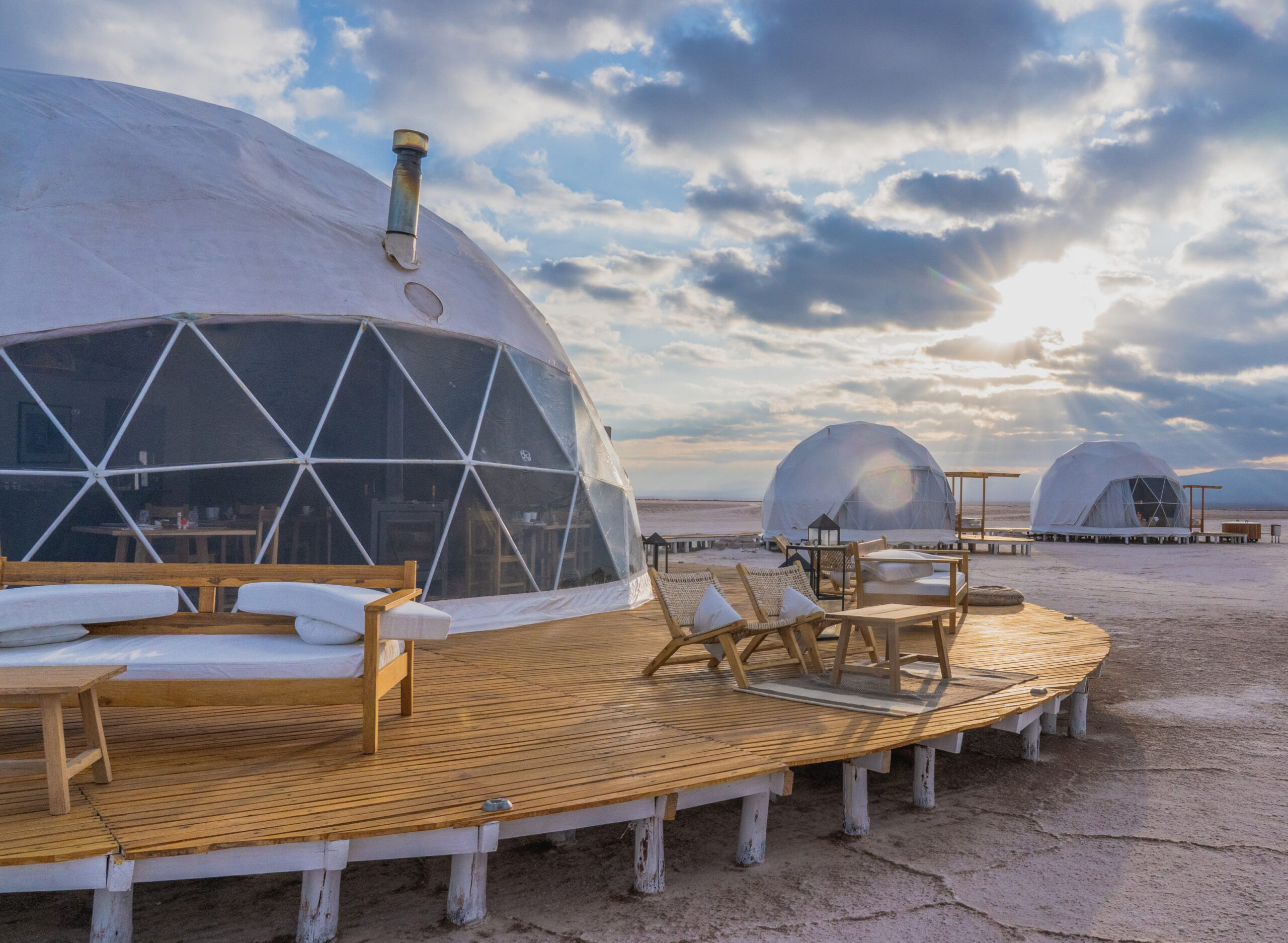
Pristine Salinas Grandes Luxury Camp
Discover the height of luxury with this domed camp
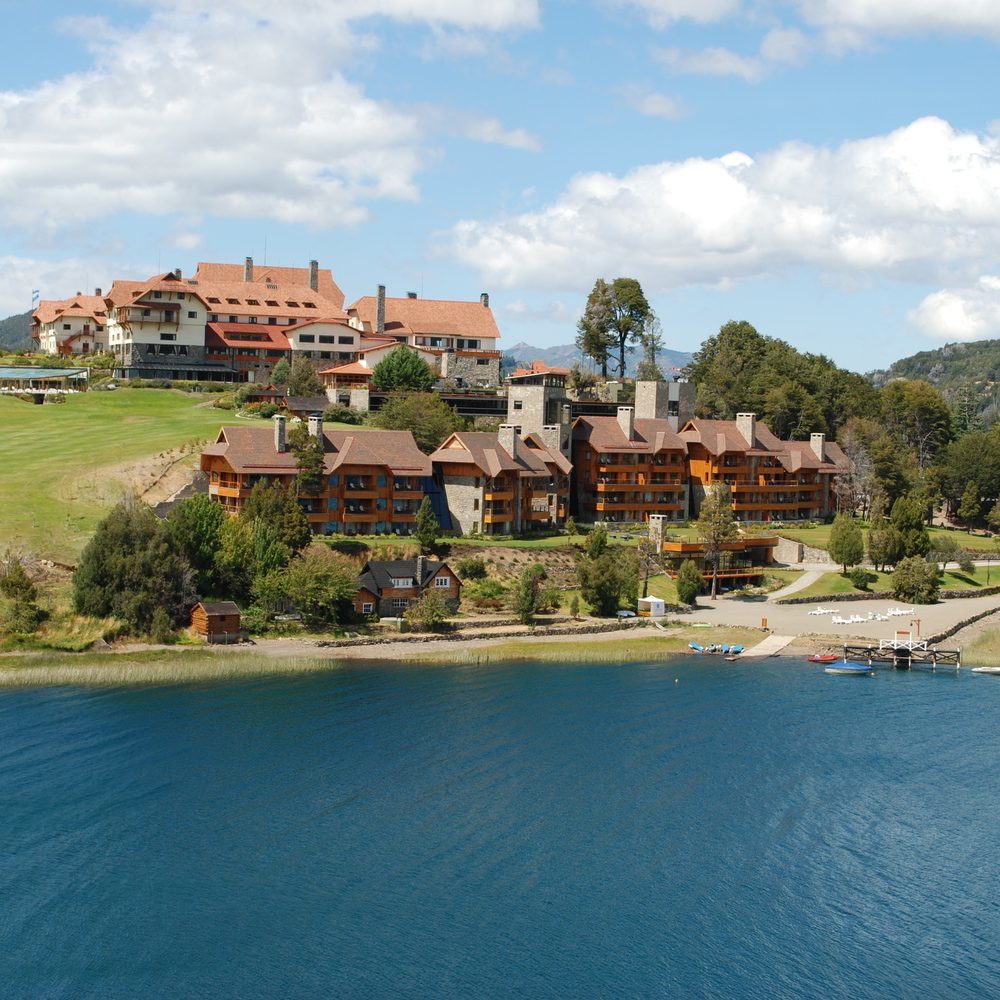
Llao Llao Resort
One of South America’s most famous hotels
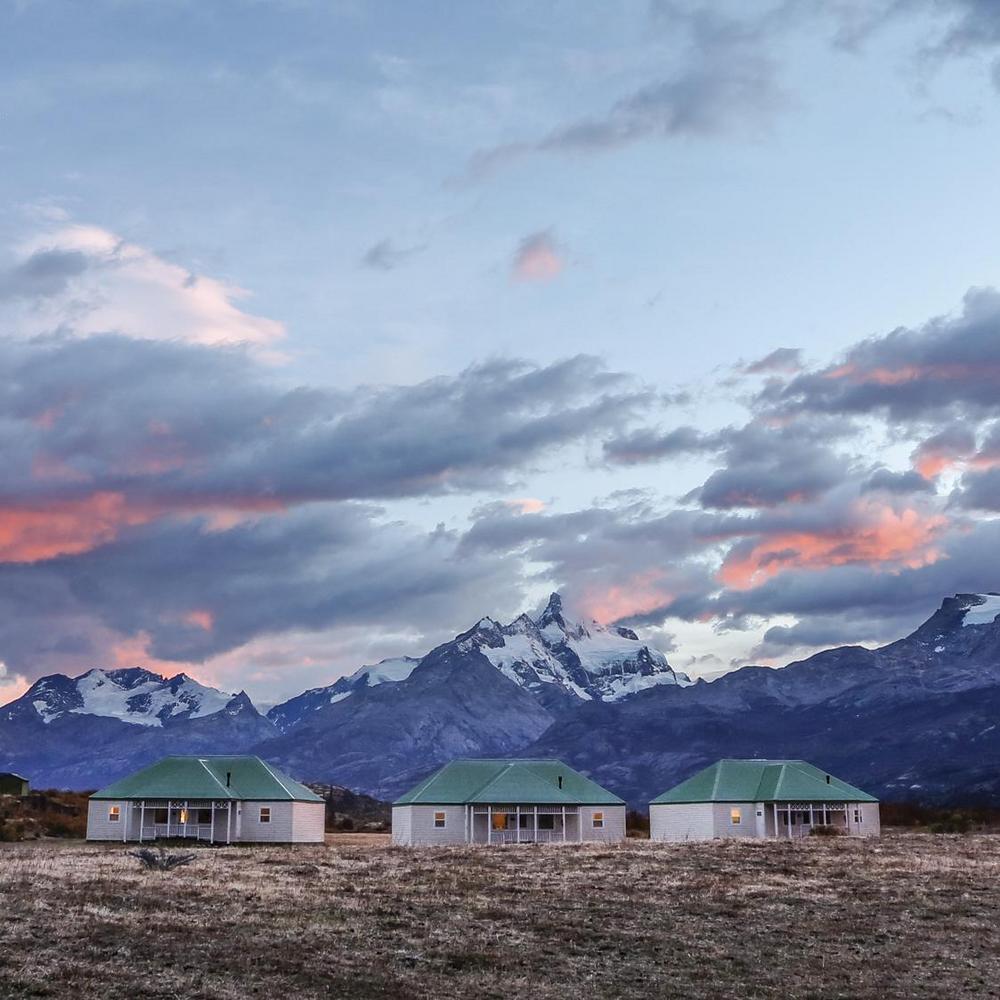
Estancia Cristina
Explore the wild side of Patagonia
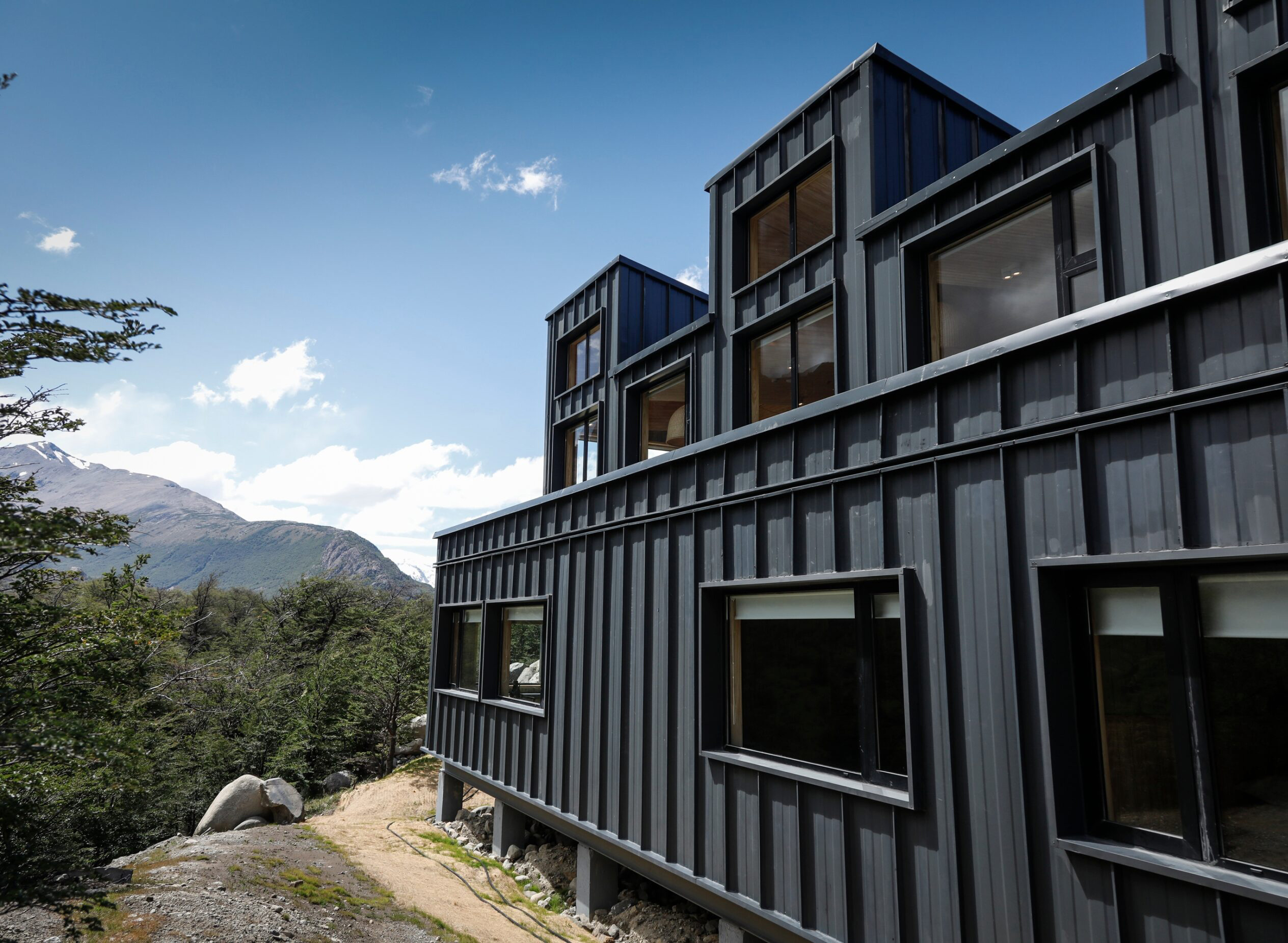
Explora El Chalten
A sustainable hotel located in a private conservation reserve
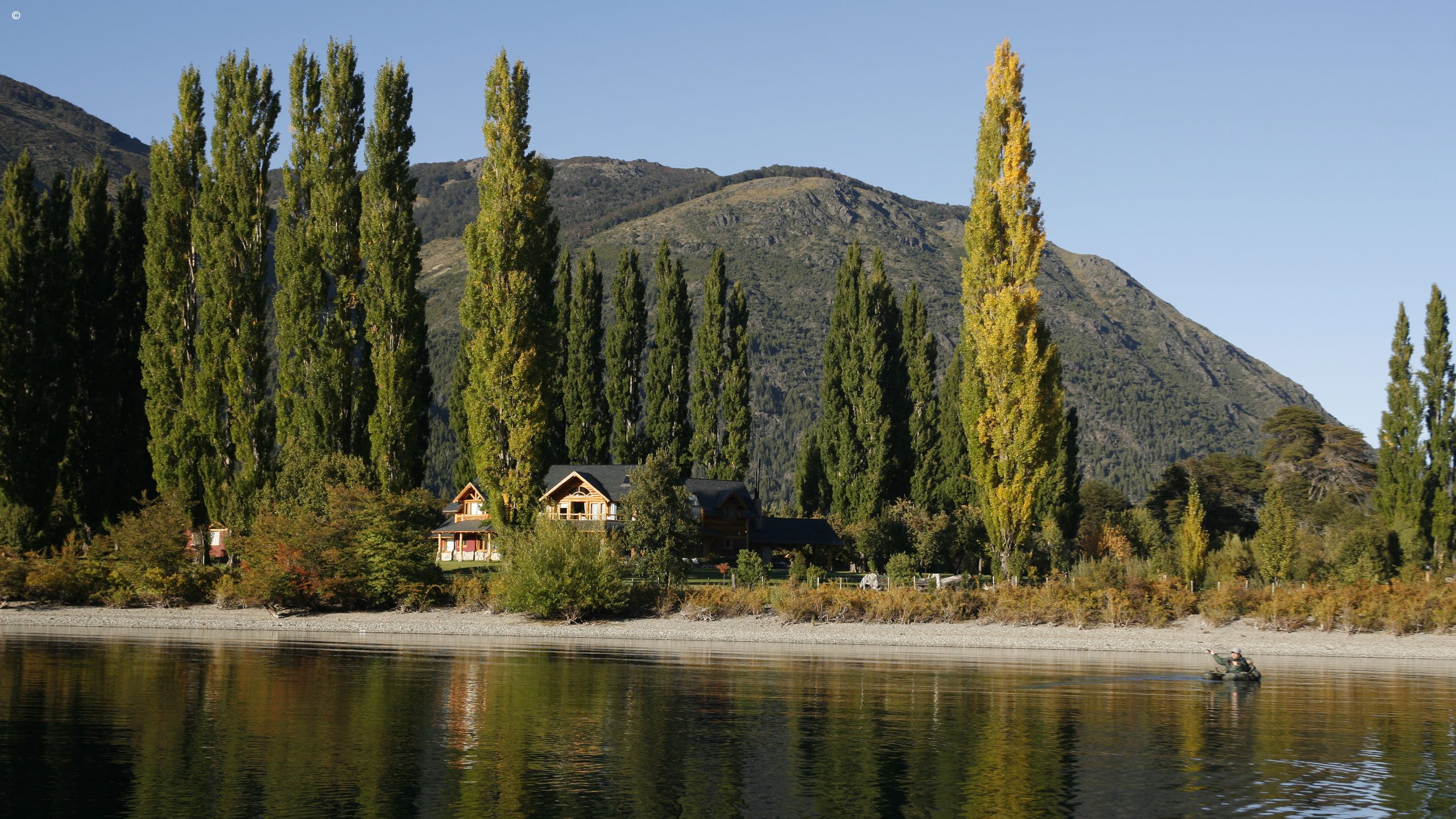
Estancia Peuma Hue
Estancia Peuma Hue is a lodge in Lake District, Argentina.
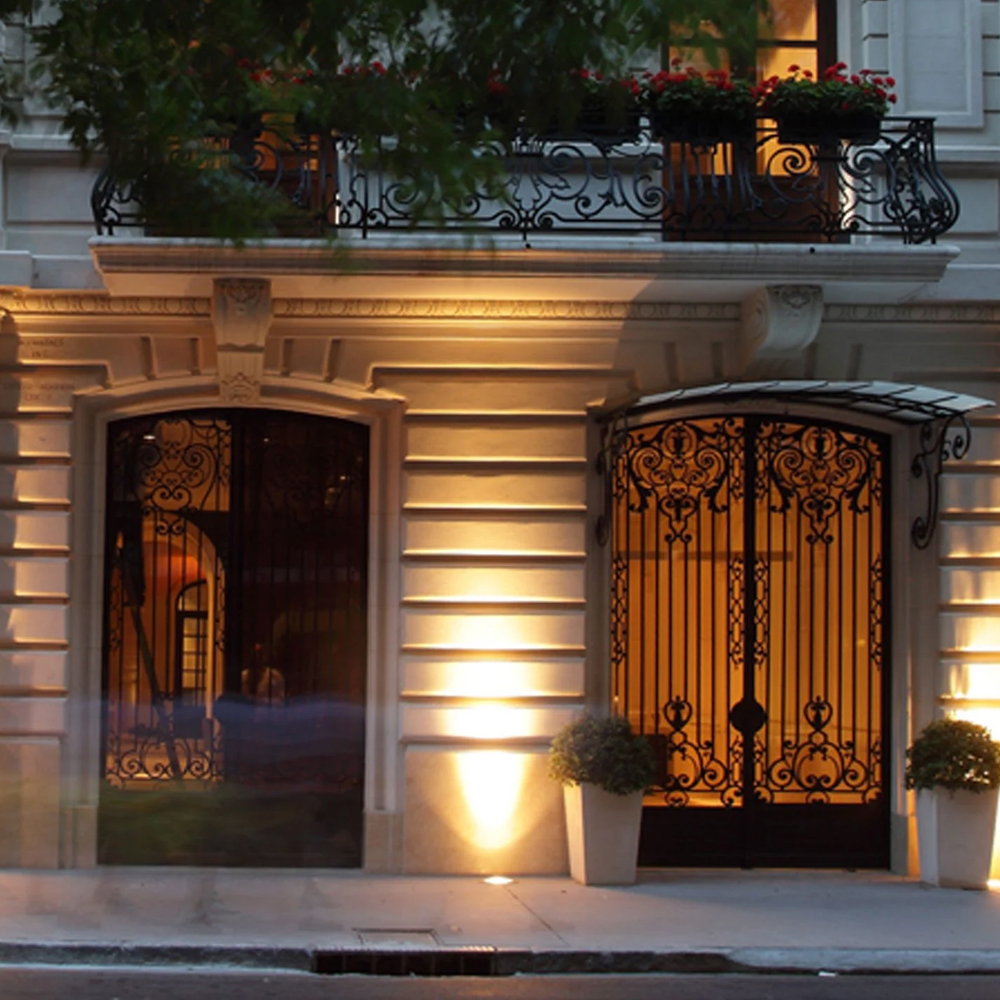
Algodon Mansion
Elegant city boutique
Ready to start planning?
Tell us what you have in mind and our travel designers will shape the first ideas with you.
Start planning