
12 min read
When Is the Best Time to Visit Oman
Contents

The best time to visit Oman is spring (March to May) or autumn (September to November). Warm daytime temperatures range from 22°C (71.6°F) to 39°C (102.2°F), perfect for hiking, desert activities and sightseeing in Muscat. The hot summer (June to August) is the best time to see turtles at Ras Al Jinz Turtle Reserve, although temperatures can exceed 40°C (104°F).
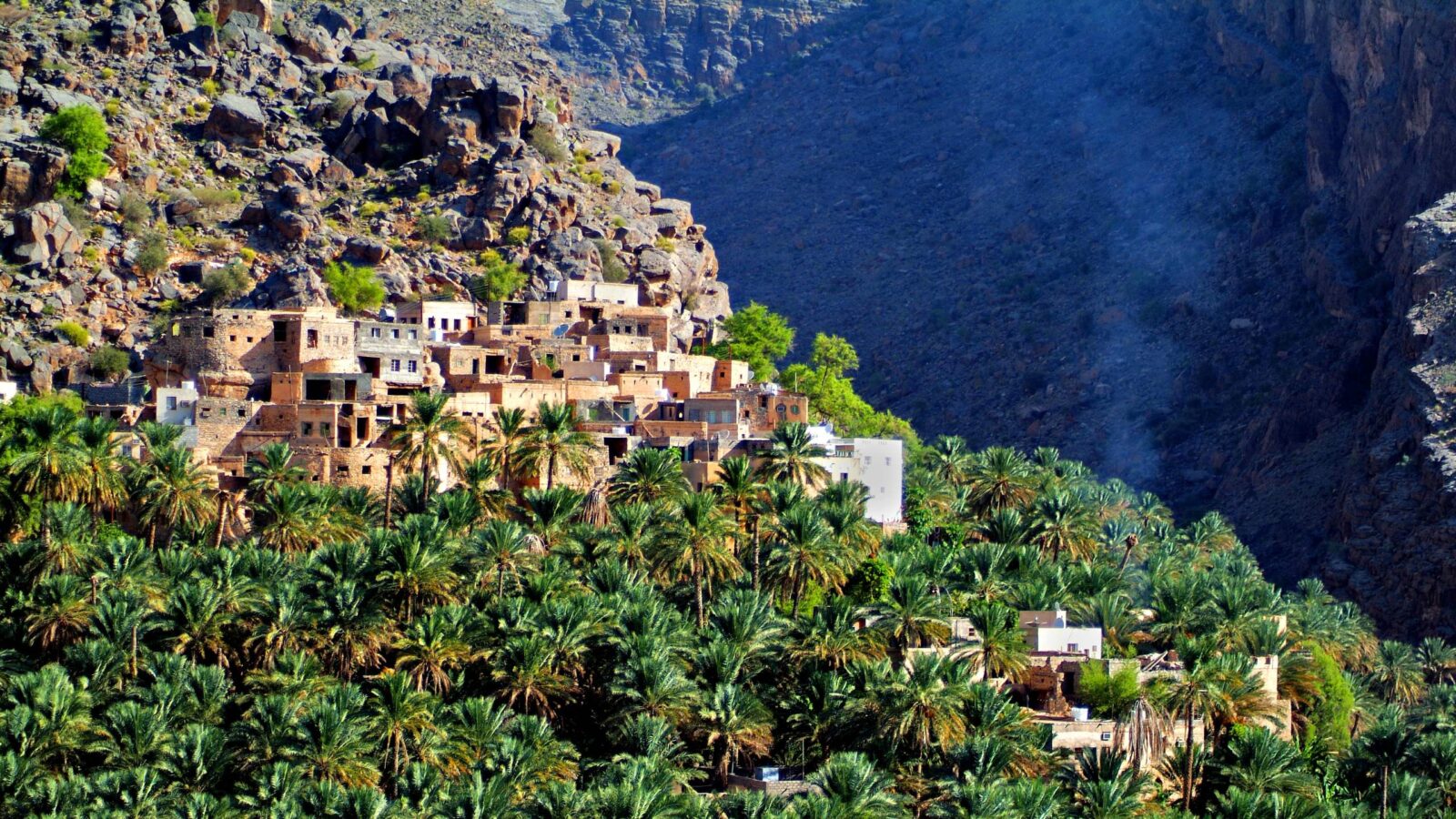
Often described as the pearl of Arabia, Oman sits on the Arabian peninsula, its entire inland border leading to vast, unyielding deserts, including part of the Rub Al Khali, the largest sand desert on earth. You’ll experience Oman’s dominant climate, and hot and dry weather, throughout most of the year. That said, there's more to Oman’s climate and geography than meets the eye.
More than 18% of Oman’s landmass is covered by soaring mountains, valleys and coastal plains; the coastline spans more than 3000 km. It’s these landscapes, plus seasonal changes, that create the conditions for some of Oman’s lesser-known natural highlights. There are verdant desert oases, cascading waterfalls, harvests of pink and red roses, luscious pomegranates, apricots, and walnuts.
Understanding Oman’s month-by-month weather patterns is important when planning a trip. January is the coldest month in Oman with early morning temperatures in Muscat of 13°C (55.4). In Wahiba Sands and the Al Hajar Mountains mountains it can feel even colder, sometimes dropping to 0°C (32°F) at night. Winter in Oman runs from November to February where mild daytime temperatures still make it a great time to visit for autumn and winter sun.
June is the hottest month in Oman where temperatures soar to an average of 40°C (104°F). Southern Oman, including areas such as Salalah, is considered part of the tropics. Increased humidity here can make temperatures feel even more uncomfortable.
As you might expect, this desert country doesn’t see a great deal of rainfall. On the east coast, especially amid the dunes of Wahiba Sands, it’s common for there to be no rain at all in an entire year. Muscat, Nizwa and the Al Hajar Mountains can experience a little precipitation from January to February. The rain usually falls in short showers, and doesn’t disrupt sightseeing and activities.
When is the monsoon (khareef) season in Oman?
The Oman monsoon season, running from June to September and isolated to Dhofar province where you can find the coastal town of Salalah, is known locally as Khareef. Rainfall only averages 25 mm in a month, but the thick humid mist transforms arid land to a verdant green. Gardens grow and temperatures drop to around (25°C) 77° F.
The monsoon provides a welcome relief from the scorching, brilliant sunshine that beats down on the rest of the country for much of the year the khareef season can be a beautiful time of year to visit Salalah, enjoying comfortable sightseeing of the city’s mosques and monuments. Just outside the city you can explore waterfalls, lush green valleys and savour the fruits synonymous with this time of year.
Oman month-by-month weather guide
Oman is primarily a dry desert country but its climate varies between seasons and locations. For example, in June the Ras Al Jinz Turtle Reserve can feel very hot, exceeding 40°C (104°F), while the Al Hajar mountains experience a less intense heat of 30°C (86°F). In August, Muscat, in the north of the country, is dry with no rainfall, whereas down south in Salalah the sky is misty, cloudy and there’s persistent drizzle.
To help you understand the weather in detail, we’ve compiled a month-by-month climate guide for Oman which explains how the weather will differ across the country throughout the year.
Oman in January

January is the coldest month of the year in Oman, with average lows of 17°C (62.6°F) and pleasant highs of 25°C (77°F). January is one of the best months for a luxury family holiday in Oman with small children as the heat is less intense and you can enjoy boat trips and desert adventures in comfort.
Oman in February
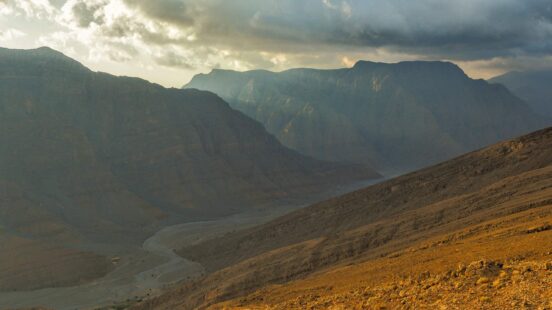
February is the rainiest month in Oman, particularly on the Musandam Peninsula and in the Al Hajaar mountains. However, the desert climate prevails for the majority of the time, with most of the rain falling in short showers that clear quickly. Temperatures are mild in Muscat at around 25°C (77°F).
Oman in March

March is the start of spring in Oman and is a lovely month to visit for great weather. If you’re not keen on very hot temperatures, March is a good time of year to experience the beaches of Muscat, Salalah and the Musandam Peninsula as temperatures stay below 30°C (86°F).
Oman in April
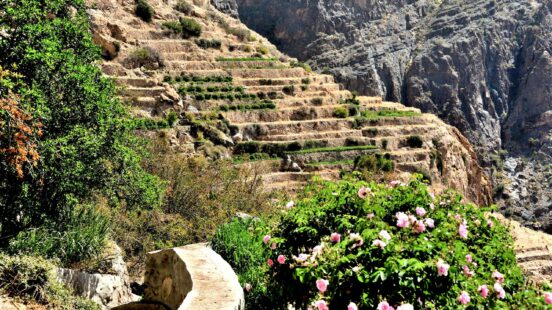
April is another beautiful month to visit Oman. Temperatures are warm, around 33°C (91.4°F), there’s very little rain and slopes of Jebel Akhdar are covered in roses, which are harvested for rosewater – the smell is divine. This is still a good time to visit beaches for sunshine and less intense heat.
The holy month of Ramadan is typically observed at the end or March and early April. During Ramadan members of the muslim faith will fast during the day, and many businesses will also close during daylight hours. Luxury hotels and resorts continue to serve food as usual, but it’s important to be respectful of traditions if you’re heading out to meet residents and visit towns and villages.
Oman in May
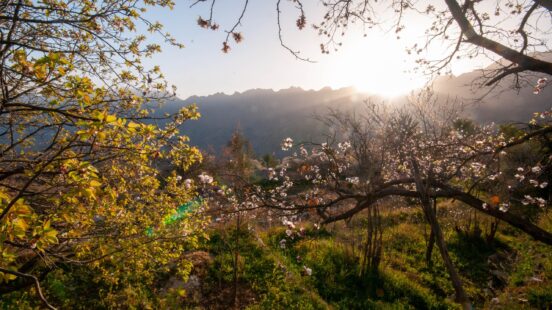
We think May is a special month, often referred to as transitional, just before the dawn of full summer; sunny, hot and with abundant crops of apricots on the western slopes of the Al Hajar Mountains. Temperatures are on the rise; 37°C (98.6°F) in Muscat and in Wahiba Sands and Ras Al Jinza Turtle Reserve it’s hot at 39°C (102.2°F).
Oman in June
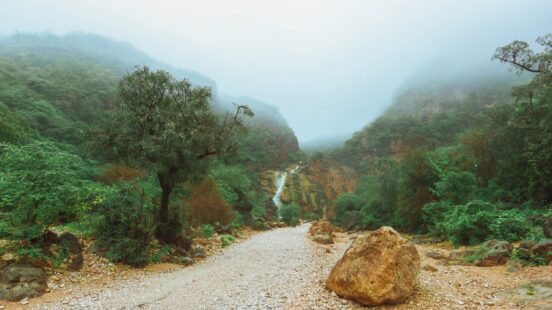
June is the hottest month in Oman. Muscat can feel stifling, easily exceeding the average of 38°C (100.4°F) and sightseeing can become uncomfortable. In Salalah the humid, misty khareef season begins, making it popular with Omanis and visitors who want to escape the heat and experience temperatures below 30°C (86°F).
Oman in July and August

The summer months of July and August are hot, maintaining 35°C (95°F) or more in Muscat, the Musandam Peninsula and Wahiba Sands. The exception is Salalah where the monsoon khareef season continues bringing cooler temperatures of around (25°C) 77°F. Summer is the best time to visit Ras Al Jinz Reserve to see turtle nesting and hatching.
Oman in September
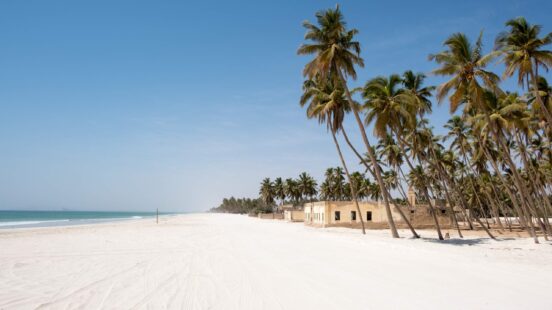
September in Oman doesn’t offer much reprieve from the heat, with most areas remaining above 29°C (84.2°F). The monsoon in Salalah has finished by mid September meaning dry, sunny conditions are now country-wide. September is still a good time to catch the last turtle hatching at Ras Al Jinz Turtle Reserve.
Oman in October
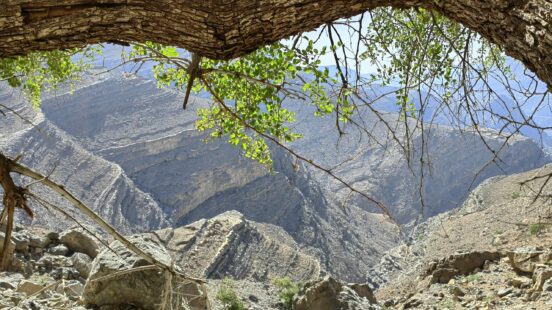
October is one of the best months to visit Oman. The weather cools but still feels balmy and warm during the day across most of the country. Minimal rainfall, along with the drop in temperatures makes October a great time for hiking in the Al Hajar Mountains and desert adventures in Wahiba Sands.
Oman in November
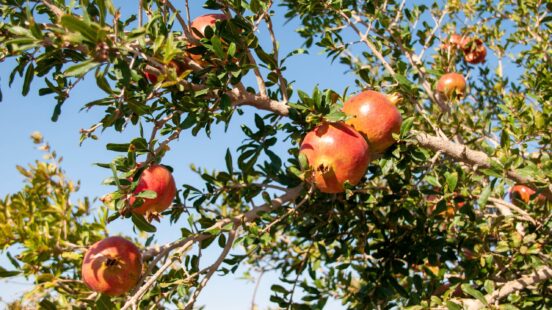
November in Oman is a clear, sunny autumn month. Daytime temperatures remain mild at around 29°C (86°F). Salalah’s beaches are warm and sunny in November and the weather in Muscat and Nizwa is perfect for sightseeing. The deserts and mountains feel chilly at night, and there could be a small amount of rain on the Musandam Peninsula.
The climate in Oman in November is suitable for harvesting some of the country’s most delicious produce. Look out for stalls selling fresh olives, walnuts and pomegranates.
Oman in December
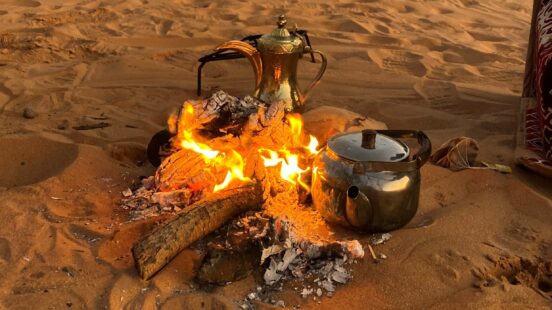
The weather in Oman is cooler in December, occasionally just beating January as the coolest month of the year. Daytime temperatures still feel warm at around 18°C (64.4°F) in the mountains and 26°C (78.8°F ) in Muscat. The evenings can get as low as 10°C, which for Omanis, is very cold.
What to do in Oman by season
Choosing the best time to visit Oman will depend on your own interests. Certain times of year are best for particular things to do, such as watching turtle hatching or getting involved in the rose-water harvest. To help you decide the best time to go to Oman for your trip, we’ve completed a list of the best things to do in Oman, and when to do them.
Witness the rose harvest on the slopes of the Al Hajar Mountains
March to April
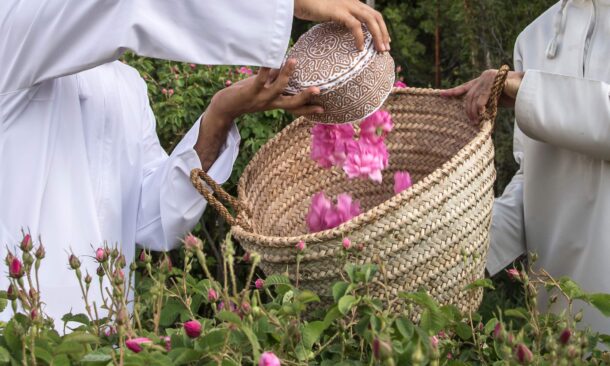
The best time of year to experience Oman’s fragrant rosewater harvest is March and April. The country’s rose-growing traditions are centuries old and the sight, and smell, of thousands of pink and red blooms adorning arid Jebel Akhdar is truly beautiful. Experience the romance on a privately guided walking tour through Damask rose gardens under glorious spring sunshine.
See turtles laying eggs and hatching at the Ras Al Jinz Turtle Reserve
July to September

The best time to visit Oman to see turtles' nesting and hatching is from June and September at the Ras Al Jinz Turtle Reserve. Oman is home to five of the world’s seven sea turtles species. The endangered green sea turtle can be spotted along much of the coastline all year.
Due to the fragility of these creatures and their habitats, viewing them responsibly is important. The Ras Al Jinz Turtle Reserve protects areas of coastline so eggs won’t be disturbed and designated viewing areas minimises any type of human contact. The interactive museum at the reserve educates visitors on the life of turtles here and around the world. We highly recommend staying after dark to watch secretly as the turtles burrow their eggs into the sands – a magical experience for families.
Go Hiking in the Al Hajar Mountains
October to March
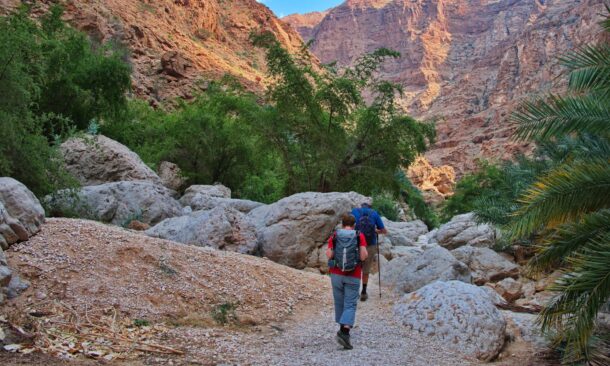
There are plenty of places to enjoy the great outdoors in Oman and the Al Hajar Mountains offer endless hikes, epic view points and plenty of culture along the way too. The best time to go hiking in the Al Hajar Mountains is between October and March for the coolest temperatures and less intense sunshine.
Along with hiking in the mountains there’s plenty of other adventures to be had too. You can follow the winding tracks of Wadi Bani Awf valley in a private 4x4 or try mountaineering on the Via Ferrata. Your adventures in the mountains can also include visits to ancient villages, the preserved Beehive Tombs, Al Hazm Castle and breathtaking Wadi Ghul, known as the Omani Grand Canyon.
Sightseeing in Muscat and Nizwa
March to June and September to November.

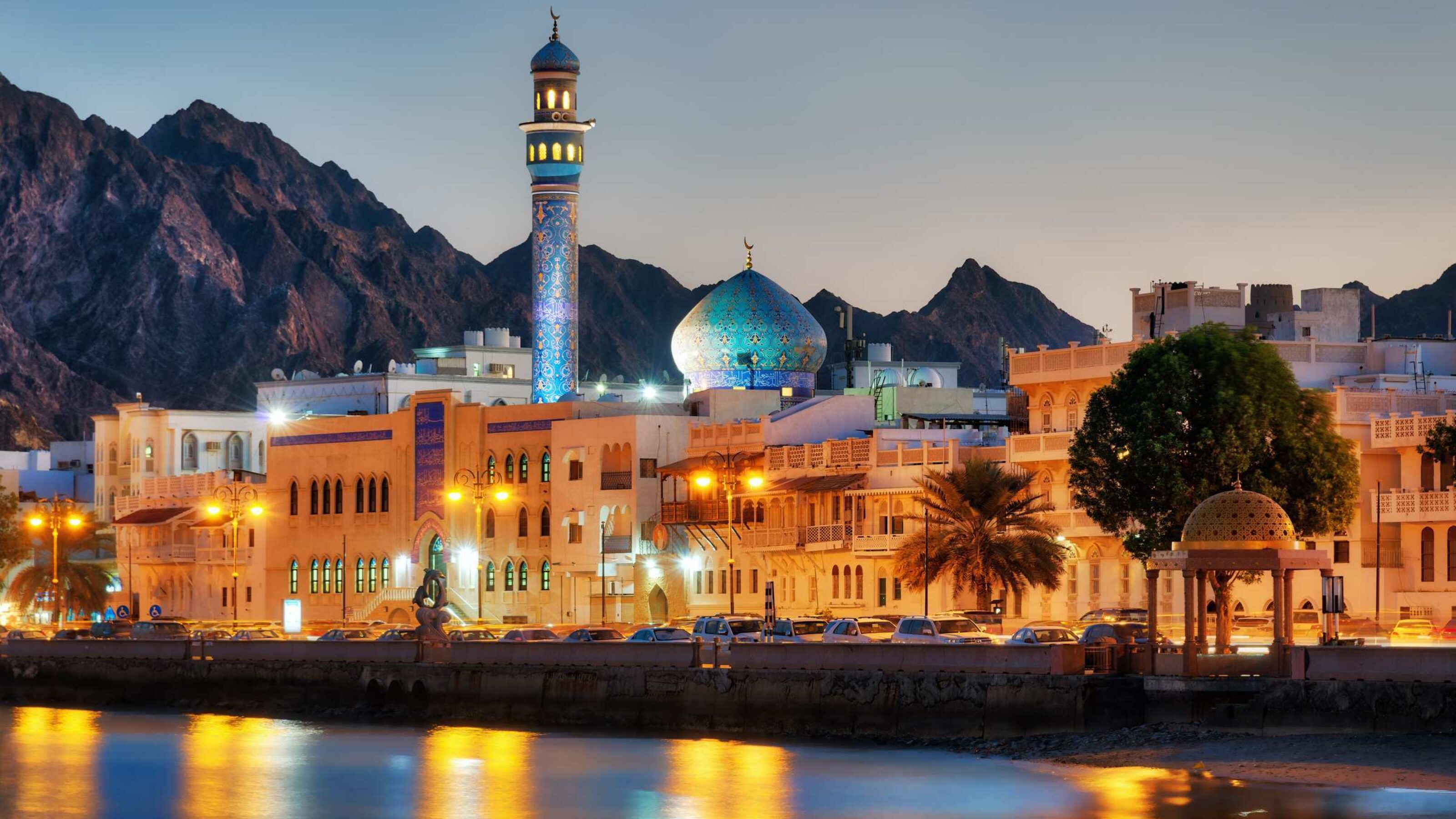
Wandering Oman’s ancient monuments, beautiful mosques, vibrant souks and mesmerising architecture is one of the top things to do during a visit to a country. For cool temperatures and blue skies (perfect for photos) in Muscat and Nizwa, the best time to visit for sightseeing is from March to June and September to November.
In Muscat, we recommend visiting the Sultan Qaboos Grand Mosque (the world's 5th biggest mosque) and Al Alam Palace, which is flanked by two Portuguese forts: Al Mirani and Al Jalali. To really get under the skin of the city, explore after dark and finish your evening with a sumptuous Omani feast at a popular local restaurant. In Nizwa, don't miss the round tower fort (Nizwa fort) and Jabrin Castle.
Go Snorkelling and scuba diving in Oman
September to January
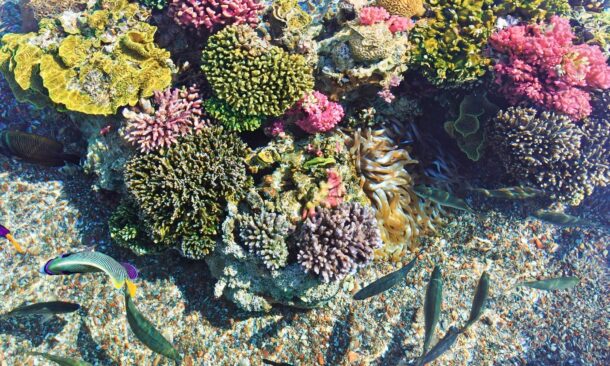
The best time to go snorkelling in Oman is between September and January, when land temperatures are not too hot and the waters are clear. In general, the northern beaches and islands, accessible from Muscat and the Musandam Peninsula are some of the best spots for diving and snorkelling.
A type of seaweed can grow during the very hot season from June to August, usually dying off in September, leaving the waters clear. The marine life in the waters of Oman is varied and impressive. Look out for dolphins, tropical fish, green turtles and from September to November you might see whale sharks too.
Desert adventures in Wahiba Sands
October and March

The best time to visit Wahiba Sands is between October and March when temperatures range between 32°C (90°F) and 24°C (75°F). These cooler conditions are perfect for desert adventures such as exhilarating ‘sand duning’ in 4x4s, swimming in the pools of Wadi Bani Khalid and learning about Bedouin culture while dining under the stars next to a crackling fire.
It’s best to avoid the very hot months of April to September when temperatures can easily peak at 38°C (100.4°F). Although the evenings are more comfortable, daytime temperatures can feel too hot for adventures, particularly if you’re travelling with young children.
Trip inspiration
An Active Oman Adventure
One of the best ways to experience the beauty of Oman is by lacing up your walking shoes and heading out for an active adventure in the fresh air. We’ll create…
Explore tripHighlights of Oman
Oman is a land of extreme natural beauty, with shifting sands, lush oasis and glittering coastlines, punctuated by energetic cities and remote villages. Begin…
Explore tripLuxury Oman Explorer
Discover the sights, sounds and flavours of Oman on a truly memorable luxury trip, tailored to your interests by our travel designers, with hand-picked accommo…
Explore tripWhere to stay
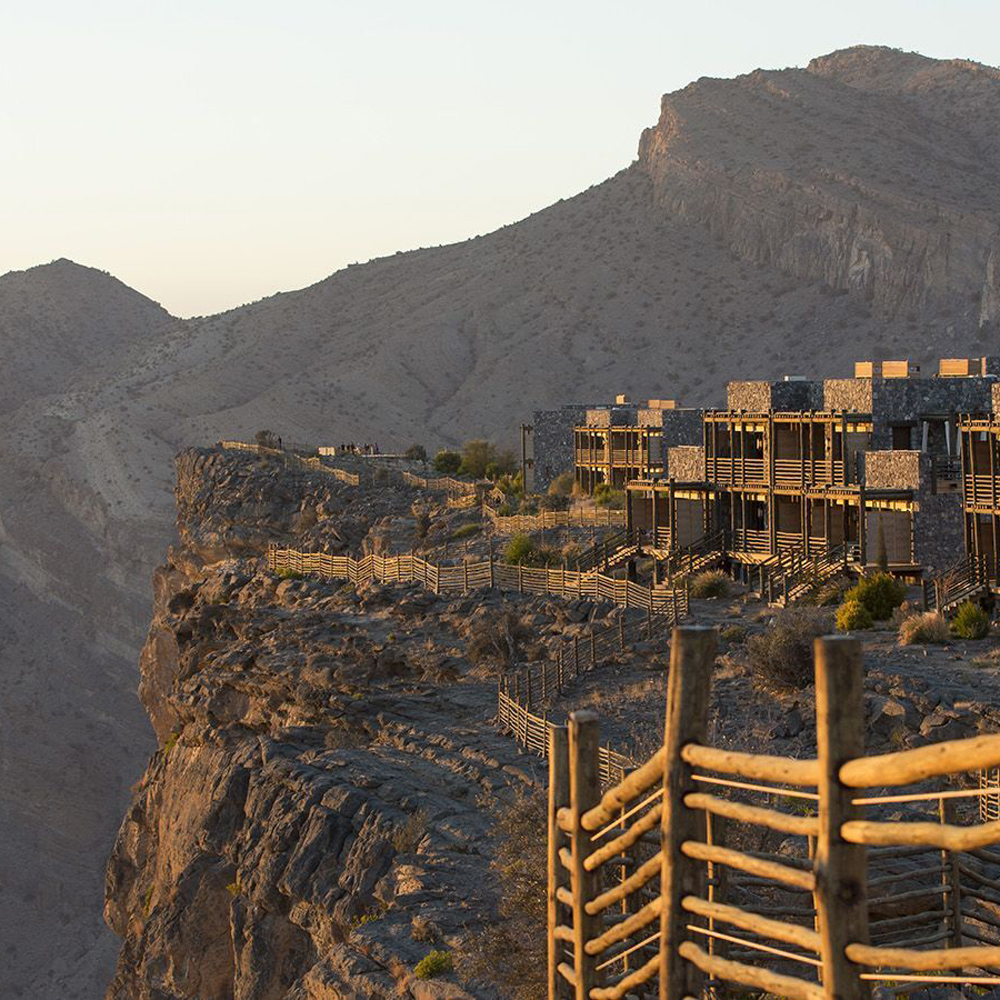
Alila Jabal Akhdar
Mountain-top bliss

The Chedi Muscat
A city oasis

Anantara Al Baleed
A true seaside escape

Al Bustan Palace
A family favourite
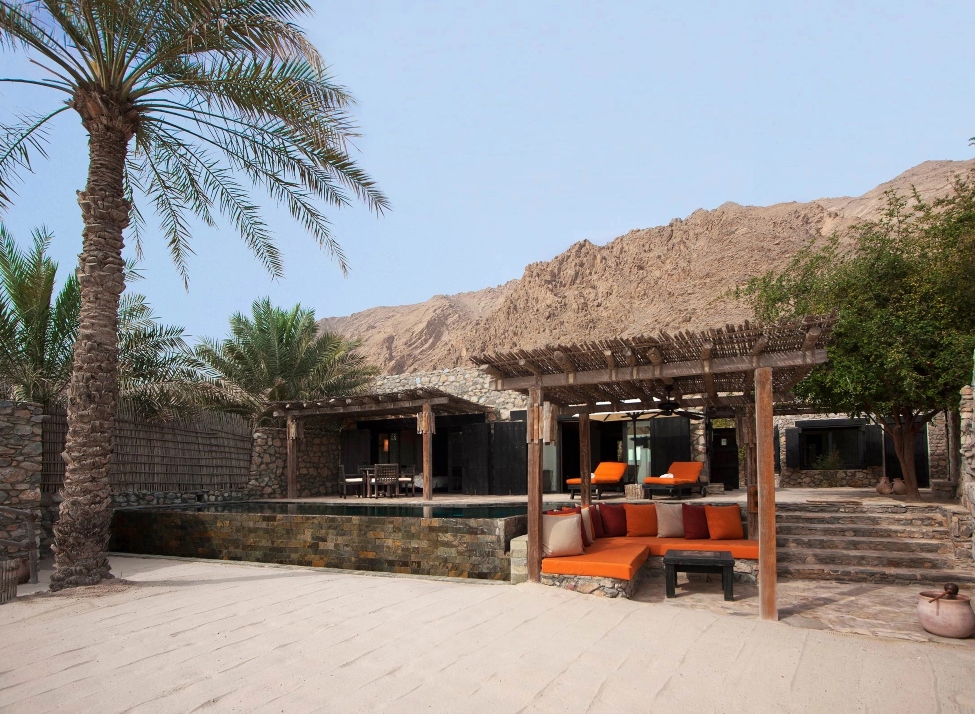
Six Senses Zighy Bay
An idyllic getaway accessible only by four-wheel drive
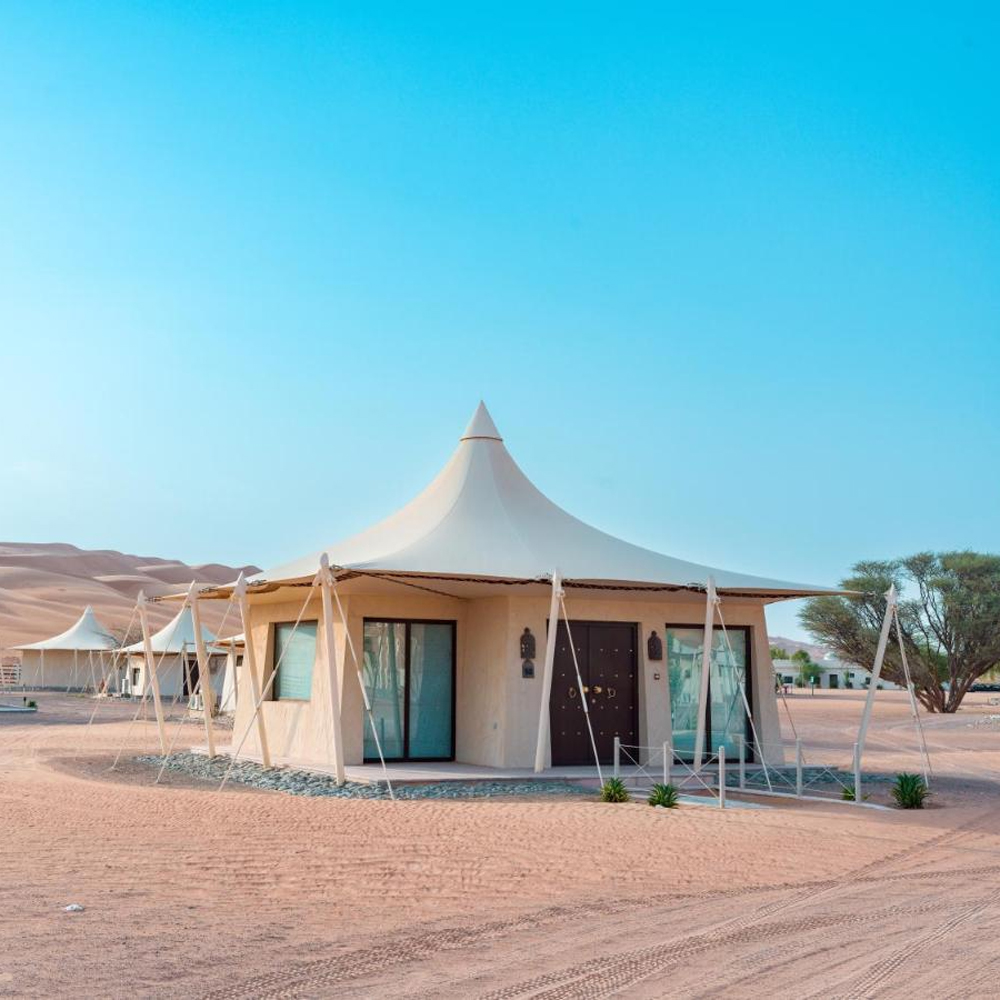
Desert Nights Camp
Desert chic

Alila Hinu Bay
Beachfront escape

Anantara Jabal Akhdar
Lofty heights in the Hajar Mountains
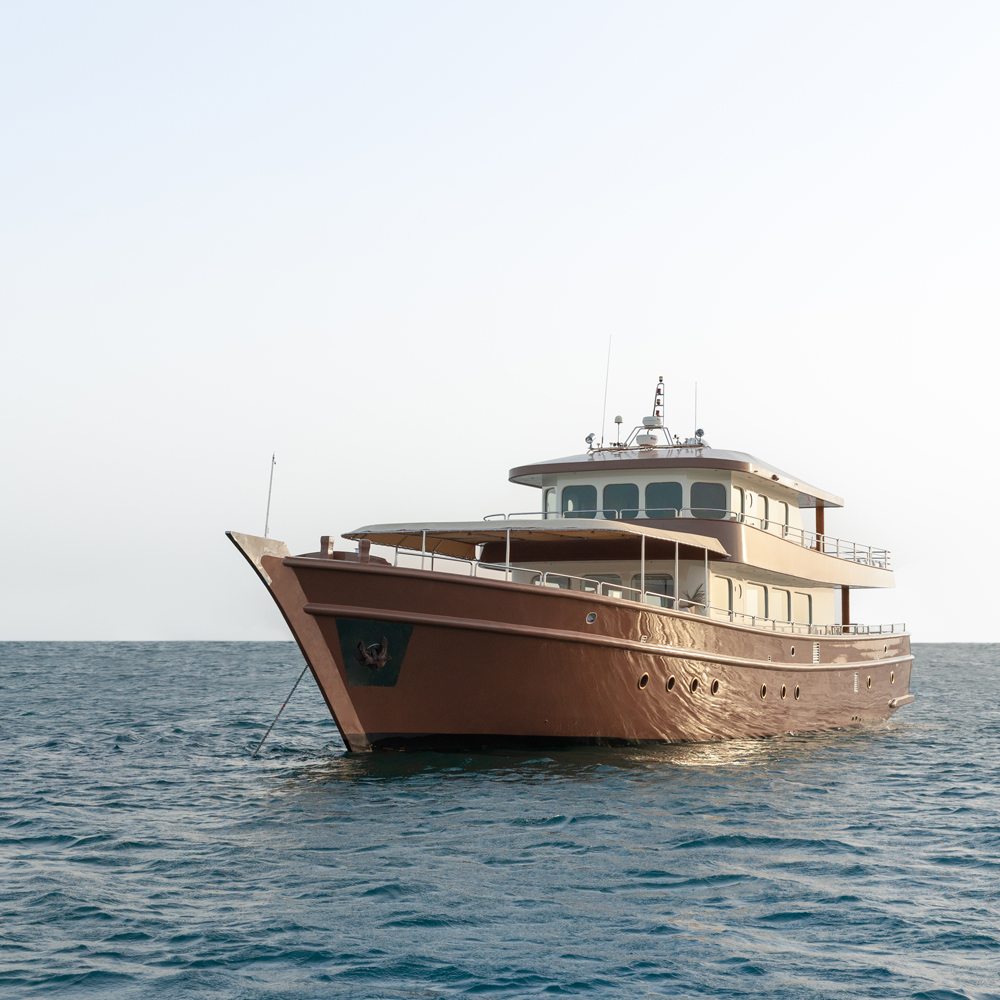
Dhow Ibra
Cruise along the Omani coast
Ready to start planning?
Tell us what you have in mind and our travel designers will shape the first ideas with you.
Start planning