5 min read
Botswana’s Okavango Delta: The Ultimate Guide
Contents
- Geography and Ecology of the Okavango Delta
- Where Is the Okavango Delta?
- Wildlife in the Okavango Delta
- Things to Do in the Okavango Delta
- National Parks and Private Conservancies in the Okavango Delta
- Khwai Private Reserve
- Chobe National Park
- Remote Camps in the Okavango Delta
- When to Go to the Okavango Delta
- Plan Your Okavango Delta Adventure
Uncover the geology, geography, wildlife, activities and more in our ultimate guide to the Okavango Delta

The landlocked country of Botswana is among Africa’s best spots for an unforgettable safari. Its striking landscapes and majestic wildlife attract travellers from across the globe, while a national commitment to conservation ensures that each visit has a positive impact. And although the whole country abounds with natural beauty, one destination stands out: the Okavango Delta.
Distinguished as the world’s largest inland delta, this extraordinary environment is unlike any other. It’s one of the Seven Natural Wonders of Africa, a UNESCO World Heritage Site and a treasure trove of rare and endangered species. To explain exactly why it’s so special—and help you get inspired to explore it—we’ve put together this detailed guide to the Okavango Delta.
Geography and Ecology of the Okavango Delta
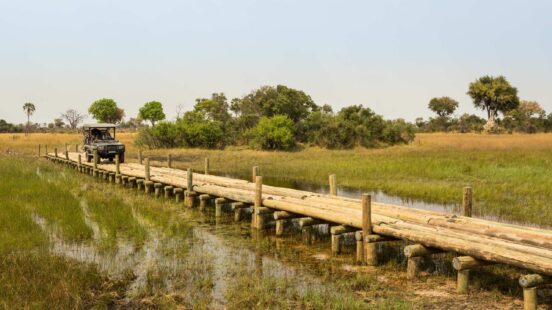
Generally speaking, a delta is a wetland created at the point where a river meets another body of water – or, in rare cases, flows directly onto land. The Okavango Delta is a prime example of the latter; it’s where the Okavango River empties into the Kalahari Basin, rather than flowing into an ocean or lake.
The result of this phenomenon is a vast wetland ecosystem of floodplains, swamps, marshlands, lagoons and islands. Although parts of it are permanent, this landscape is constantly shifting. Every year during Botswana’s dry season the entire Okavango Delta floods, drawing animals from far and wide to its waters.
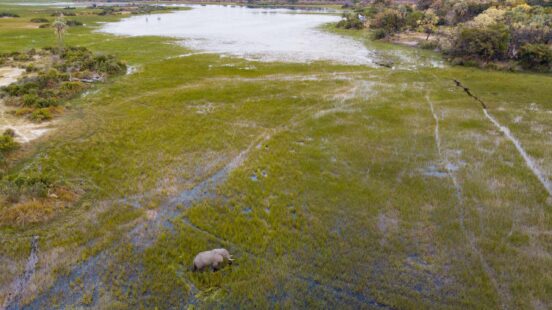
Interestingly, the delta’s flooding is actually the result of heavy rainfall in Angola. During the rainy season (which peaks in January), Angola’s rivers swell with excess water, which then flows toward Botswana. It takes several months to reach the Okavango Delta and empty out onto the land, triggering the annual flood.
Where Is the Okavango Delta?
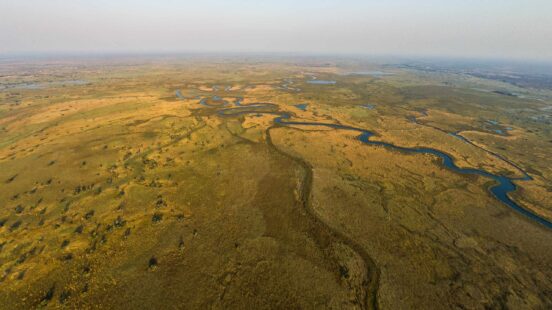
The Okavango Delta is located in northwestern Botswana, right in the heart of Southern Africa. It’s at the northern edge of the Kalahari Desert, between the border with Namibia and Makgadikgadi Pans National Park (another of the best places to go in Botswana). The renowned Moremi Game Reserve is part of the delta, covering over a third of its total area.
Wildlife in the Okavango Delta
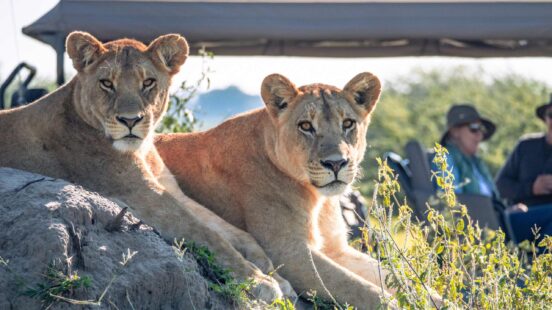
The Okavango Delta’s unique characteristics make it a haven for all kinds of wildlife, ranging from majestic creatures like elephants and hippos to miniscule frogs and brilliant birdlife. You’re likely to spot endangered species such as cheetahs, lions, wild dogs, and both black and white rhinos, as well as buffalo, hyenas, wildebeests, warthogs and dozens of other animals.
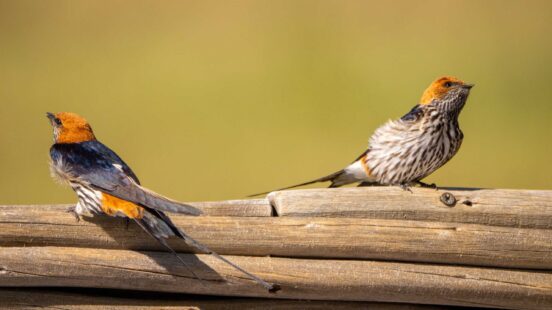
The variety of birds in the delta is especially impressive; more than 400 different species have been spotted here. Some of the most impressive are the colourful lilac-breasted roller and the elegant slaty egret, as well as the enormous Pel’s fishing owl. If birdwatching is your priority, the best time to visit Botswana and the Okavango Delta is the wet season from November to April.
Things to Do in the Okavango Delta
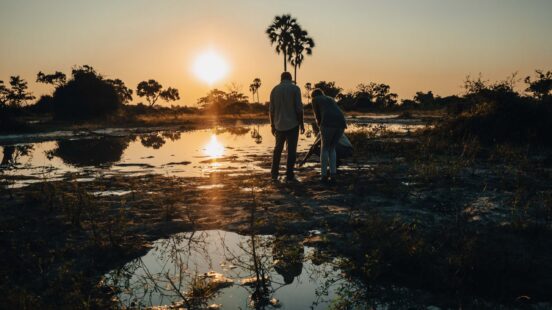
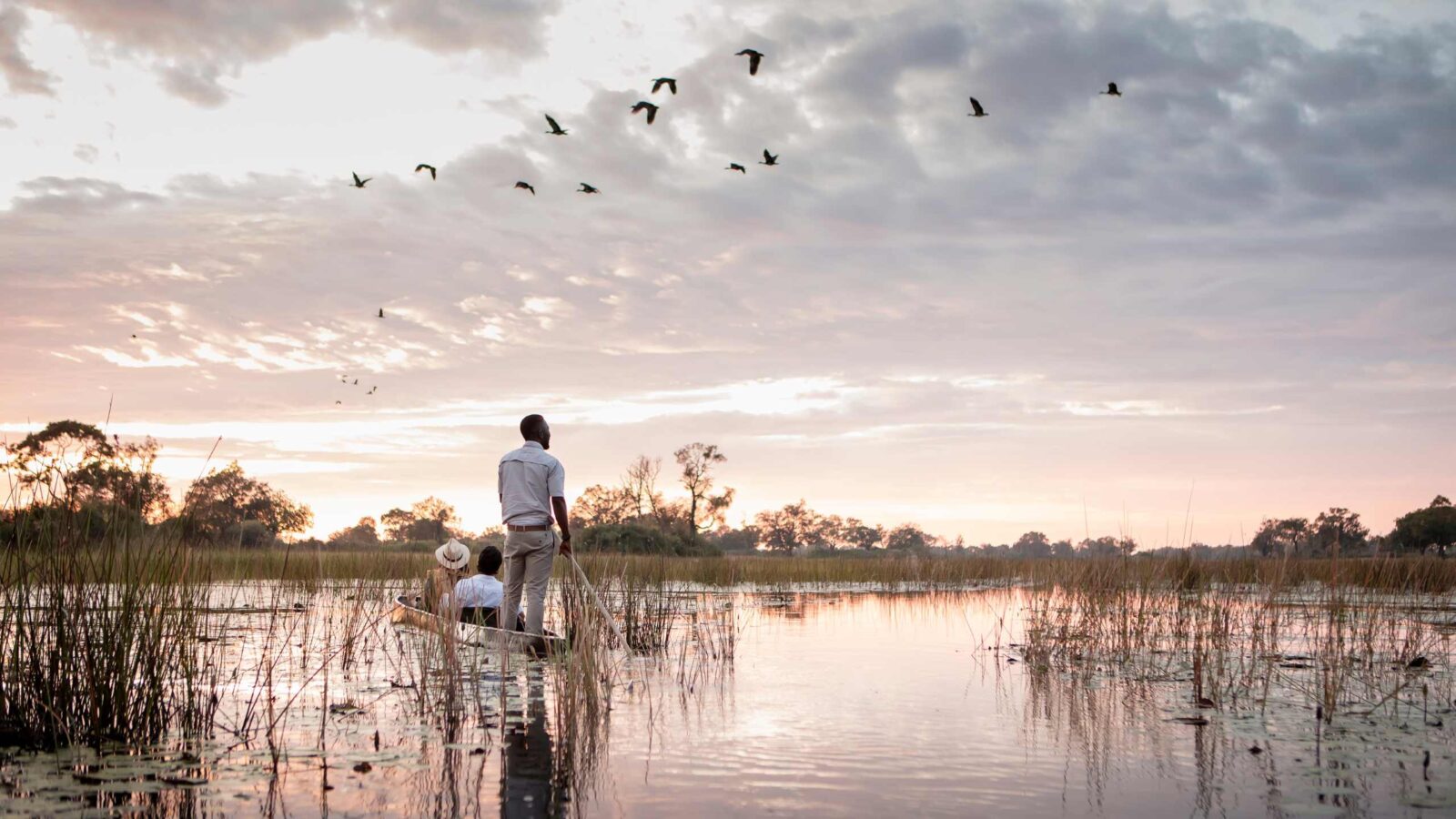
One of the most compelling reasons to go on safari in the Okavango Delta is the wide array of ways to experience it: game drives, walking safaris, boat rides and more. We highly suggest exploring the delta’s waterways on a mokoro (traditional canoe), allowing you to glide silently among its lagoons and thousands of islands with a local guide at the helm.
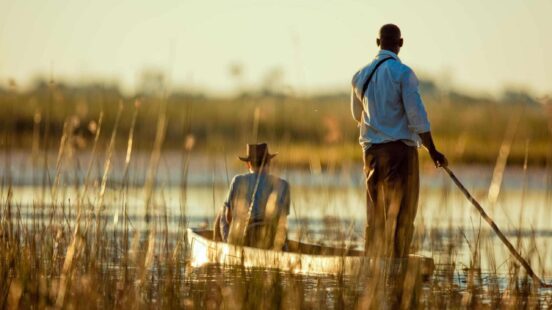
Most of the luxury camps in the Okavango Delta offer guided excursions by vehicle, on foot and by boat, and some also boast hot air balloon tours to give you a bird’s eye view. Even an otherwise commonplace game drive becomes an unparalleled experience among the delta’s largely untouched wilderness and stunning natural abundance.
National Parks and Private Conservancies in the Okavango Delta
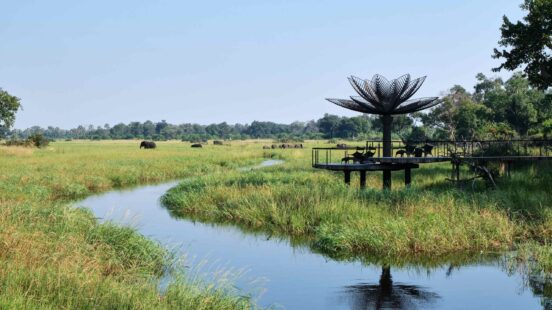
The Okavango Delta is home to several private concessions and conservancies, many of which have their own camps and lodges. The largest is the Moremi Game Reserve, which encompasses the Mombo Concession and Chief’s Island. Here you can stay at Xigera Camp to be completely immersed in the wetlands, as it’s located on a secluded riverine island
Khwai Private Reserve
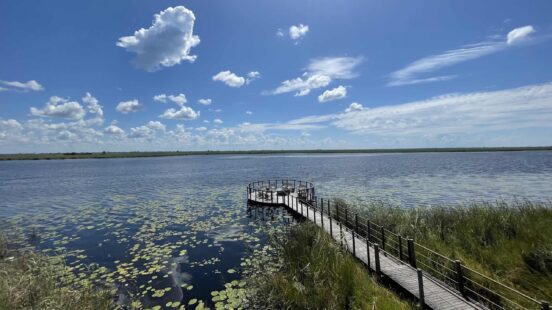
At Moremi’s edge you’ll find the smaller Khwai Private Reserve and the exclusive Jao Concession, both featuring lovely camps that are committed to making a positive impact. For example, Wilderness Jao Camp is actively involved in Children in the Wilderness, which educates local youth and community members in conservation and environmental awareness.
Chobe National Park
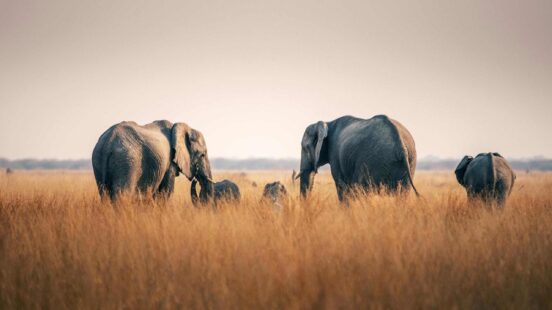
If you’re visiting the Okavango Delta with kids, Chobe National Park is a fantastic family-friendly choice (although it can be slightly busier). Elephant lovers should head to the Abu Concession and its luxurious Abu Camp, where you can learn about its pioneering elephant conservation programme firsthand.
Remote Camps in the Okavango Delta
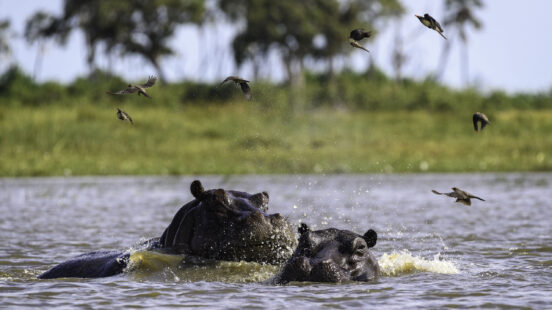
To get even farther off the beaten path, venture to a remote outpost like Duba Plains or Wilderness Qorokwe, both of which are located in privately owned and protected areas. In general, visiting a private concession or reserve allows you to leave a lighter footprint on the environment – in addition to offering greater privacy and exclusive access to wildlife.
When to Go to the Okavango Delta
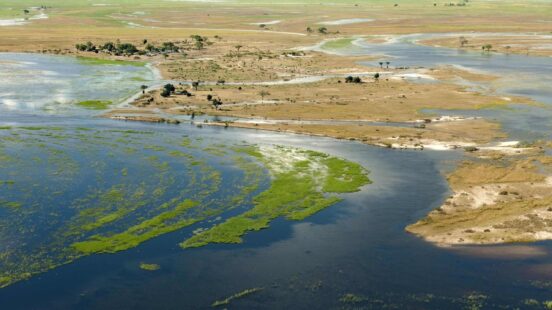
The best time to visit the Okavango Delta is during the annual flood from June to September, when the lagoons and swamps are filled with water. The delta floods during Botswana’s dry season, and peaks in July and August. At this time of year the weather tends to be clear and dry.
The fact that flooding occurs in the dry season might sound contradictory, but it actually creates ideal safari conditions. Sunny skies and little rainfall, coupled with the high density of wildlife, make this the best season for game viewing in the Okavango Delta.
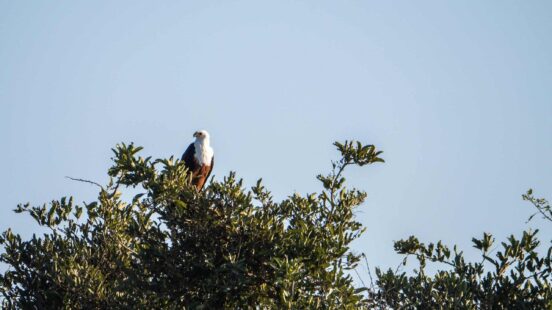
That said, the wet season from November to April is actually better for birdwatching. And if you want to see the dramatic spectacle of the barbel run – an annual feeding frenzy for catfish, tigerfish and predatory birds – mark September and October on your calendar. Visiting outside of the dry season also means you might get a piece of the delta all to yourself.
Trip inspiration
Classic Botswana
Botswana offers a luxury African safari like no other. This itinerary will take you from some of Botswana's finest luxury camps in the most revered settings to…
Explore trip
Incredible Zambia and Botswana Safari
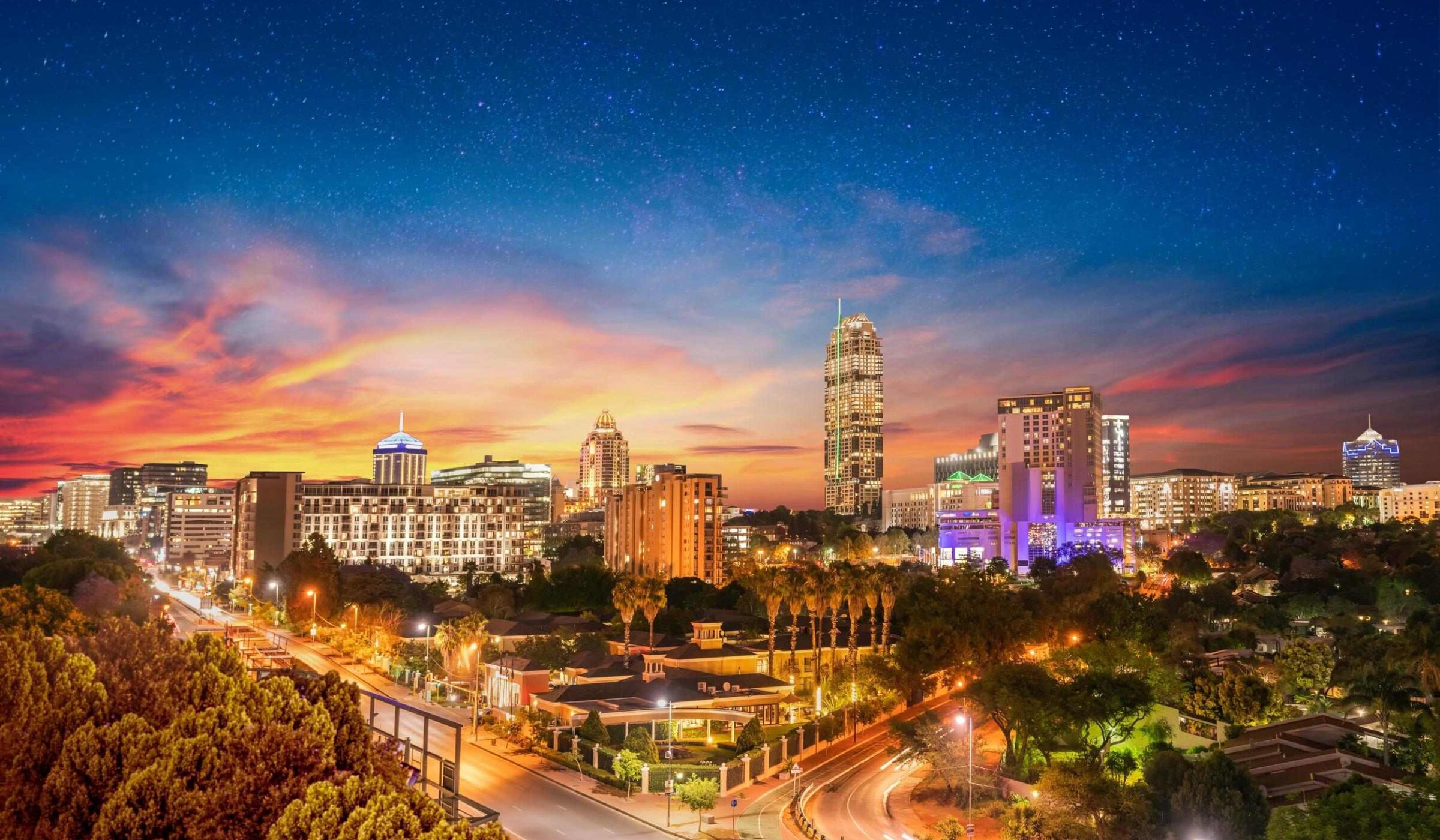
Your extraordinary trip begins in Johannesburg, your gateway to Southern Africa. You'll spend one night in this exciting city in an elegant, luxury boutique ho…
Explore trip
An African Wildlife Odyssey
This epic tour spans the length and breadth of Africa, taking you to some of its best locations for some of its most awesome wildlife and physical experiences.…
Explore tripWhere to stay
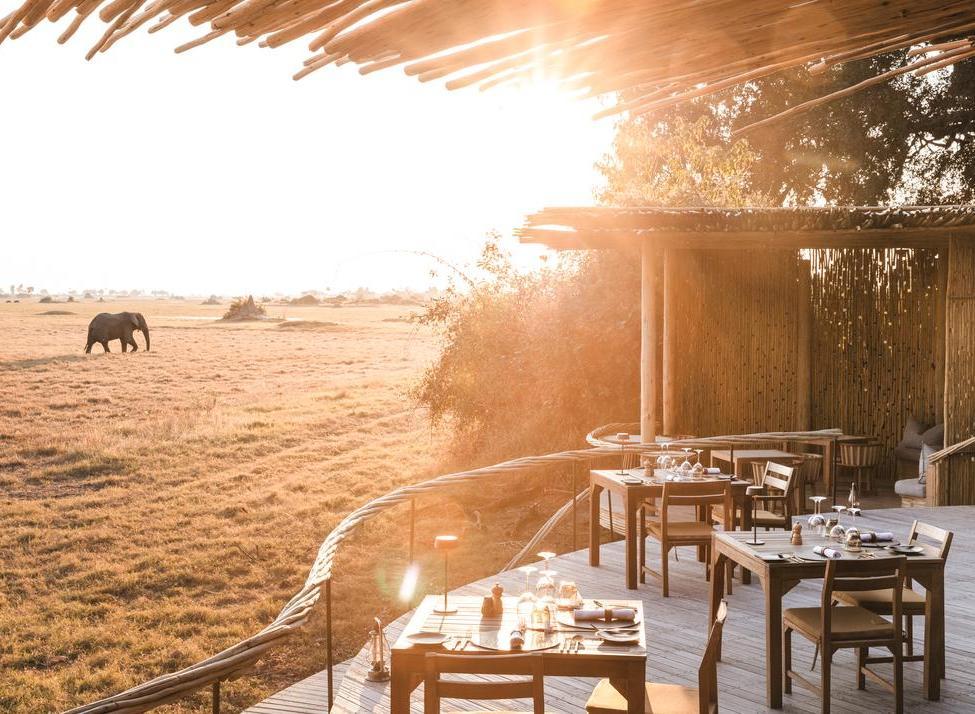
Wilderness Mombo Camp
Exceptionally luxurious with staggering wildlife experiences
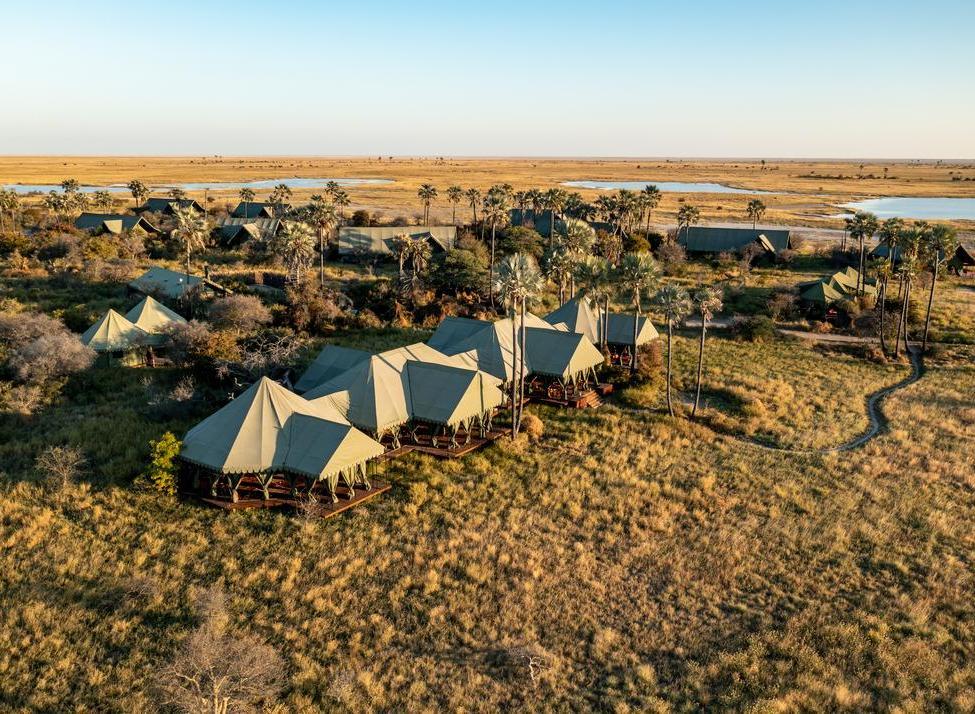
Jack's Camp
One of just three camps in a one million-acre private wildlife reserve
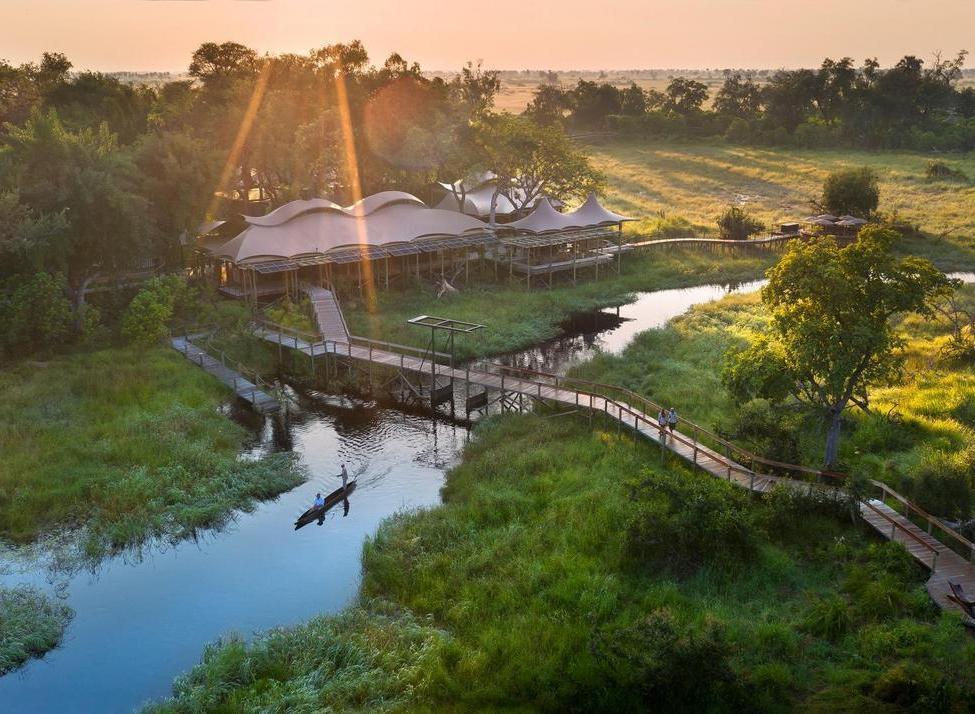
Xigera Camp
A luxury safari lodge in Botswana's Okavango Delta
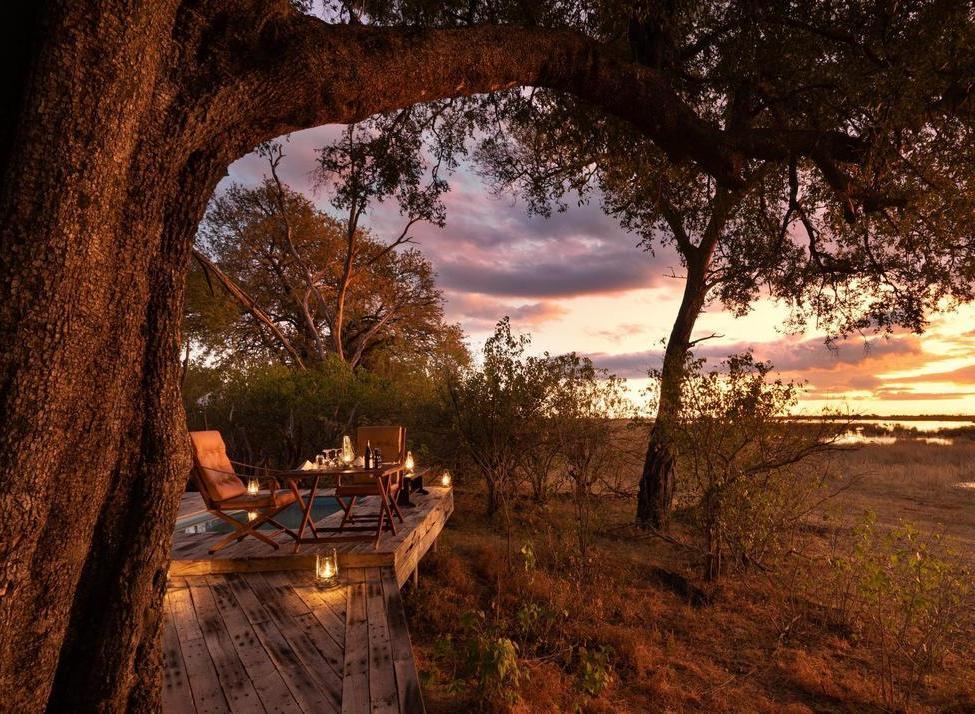
Zarafa
The ultimate tented safari experience
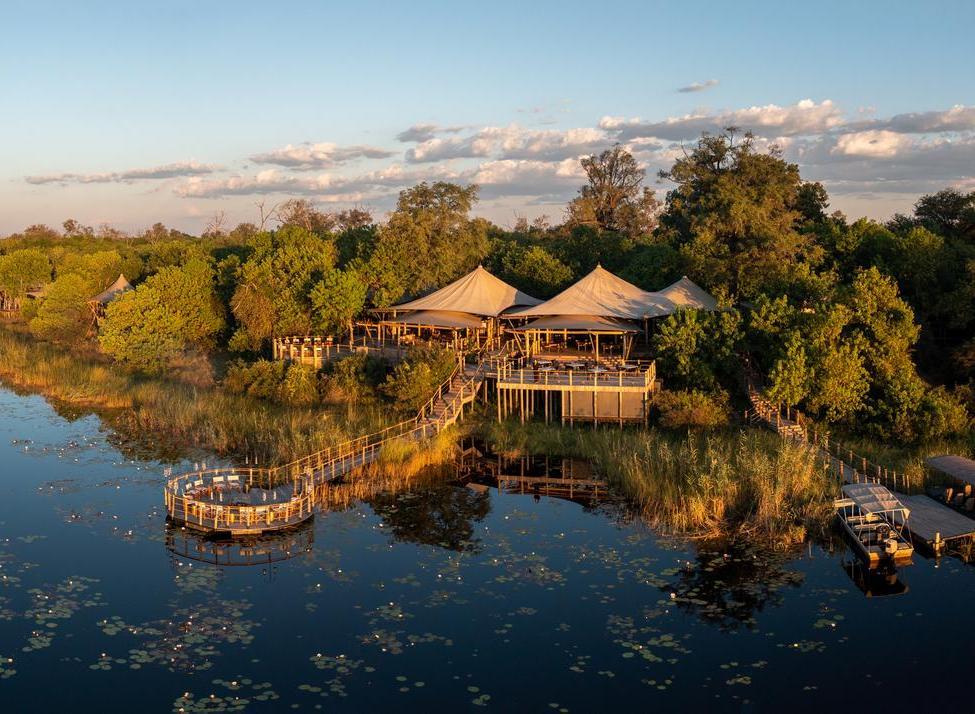
Wilderness DumaTau
Breathtaking luxury in the Linyanti
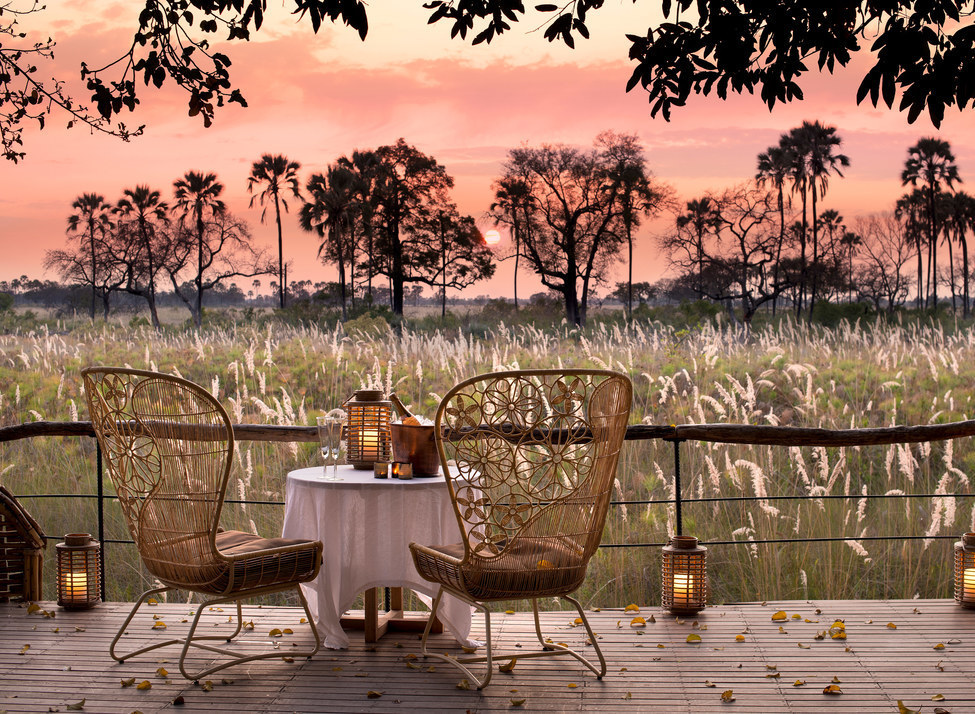
Sandibe Okavango Safari Lodge
Sandibe Okavango Safari Lodge is a lodge in Okavango Delta, Botswana.
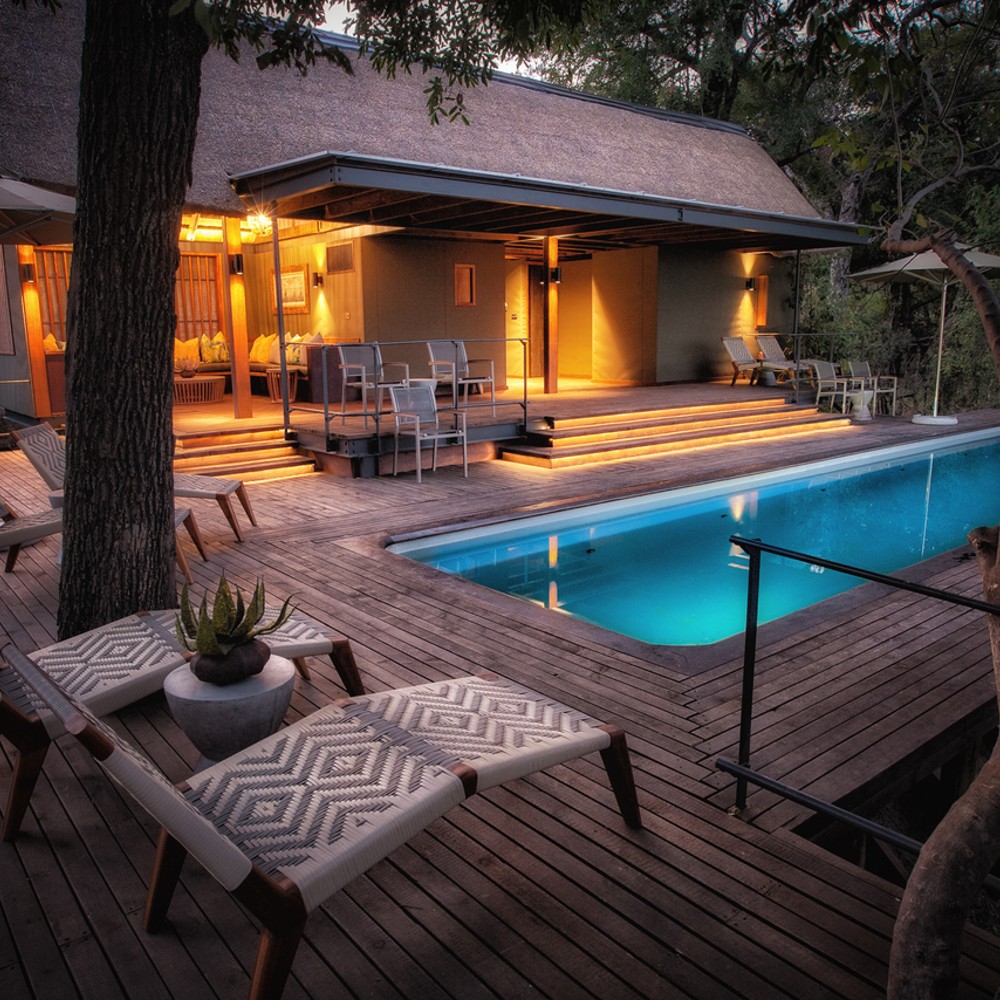
Wilderness Chitabe Camp
Luxury camp with exclusive access to a private Delta conservancy
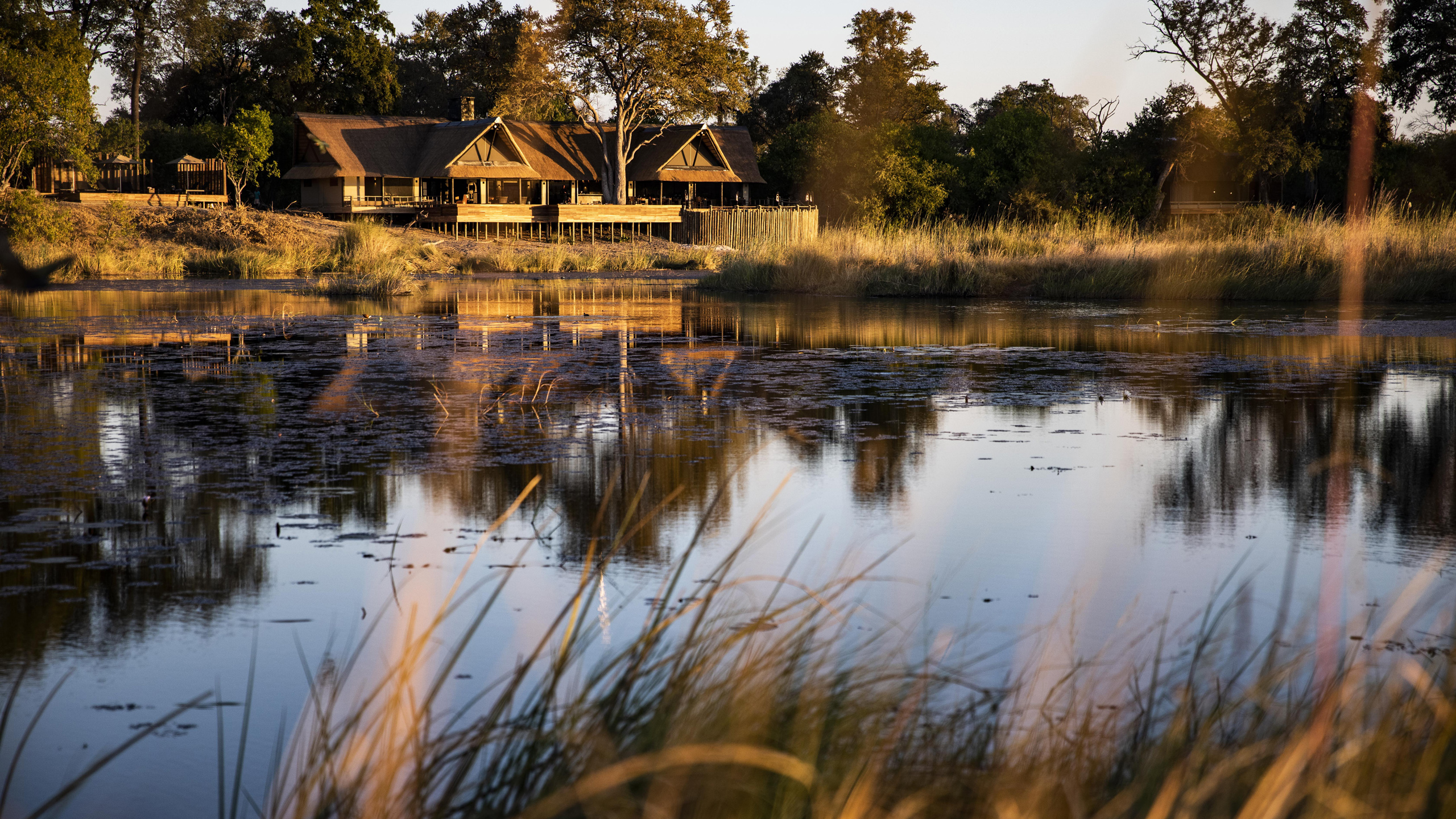
Wilderness King’s Pool Camp
A palatial riverside camp overlooking the stunning Linyanti
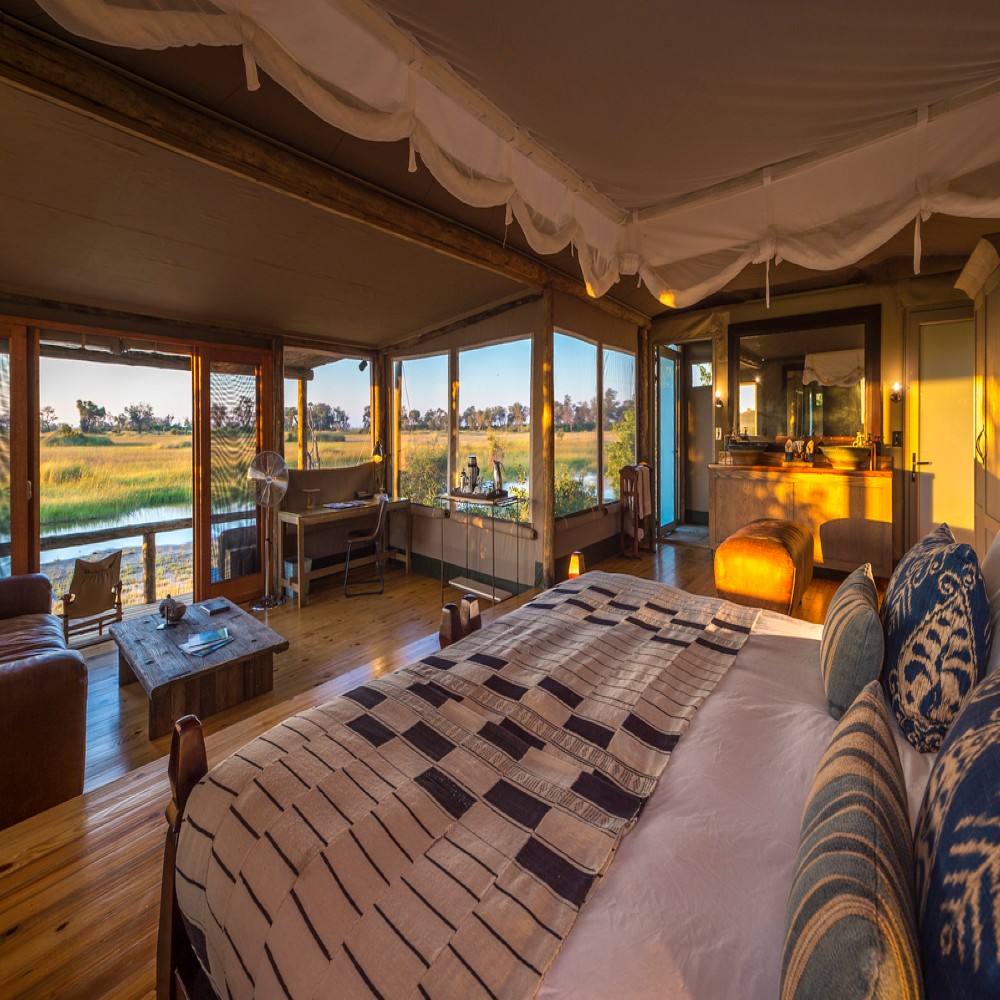
Wilderness Little Vumbura
Communing with nature’s giants
Ready to start planning?
Tell us what you have in mind and our travel designers will shape the first ideas with you.
Start planning