
10 min read
The Top Landmarks to Visit in Europe
Contents
- 1. Eiffel Tower, Paris
- 2. Colosseum, Rome
- 3. Parthenon, Athens
- 4. La Sagrada Familia, Barcelona
- 5. Stonehenge, Wiltshire
- 6. Leaning Tower of Pisa, Pisa
- 7. Hagia Sophia Grand Mosque, Istanbul
- 8. Tower of London, London
- 9. Brandenburg Gate, Berlin
- 10. Belém Tower, Lisbon
- 11. Schönbrunn Palace, Vienna
- 12. Chapel Bridge, Lucerne
- 13. Diocletian’s Palace, Split
- Europe travel guides

Europe is a continent shaped by centuries of creativity, ambition and change, resulting in European landmarks that are instantly recognisable. These enduring sites reflect the history, culture and influence woven into the rich tapestry of the regions they reside in.
Walk through Italy’s legendary ruins or step into the sacred spaces of Turkey, where faith and artistry meet. In Germany magnificent gates stand as symbols of the country, while Austria’s royal residences and the ornate bridges of Switzerland bring engineering and storytelling together. These European landmarks do more than impress; they offer a powerful connection between past and present.
In this guide, our travel designers have curated a selection of their top landmarks in Europe, chosen not only for their visual impact but for how vividly they express the heritage and character of each destination.
1. Eiffel Tower, Paris
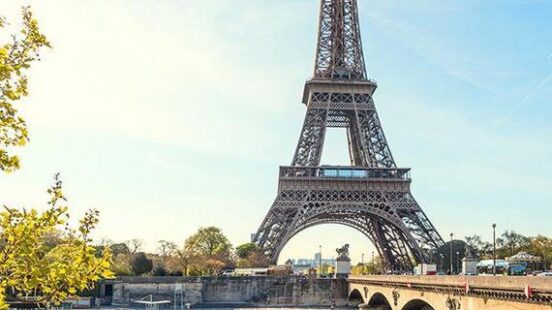
Constructed for the 1889 World’s Fair in Paris, the Eiffel Tower remains one of the most recognisable historical attractions in Europe. Its intricate iron lattice stands 324 metres tall, a bold expression of 19th-century engineering that contrasts beautifully with the city’s elegant Haussmannian boulevards.
From the upper observation decks sweeping views stretch across the Seine, the white dome of Sacré-Cœur and the neatly trimmed gardens of the Champ de Mars. At ground level, we suggest a privately arranged picnic complete with artisan cheeses, pâtisseries and a bottle of Champagne; a quietly luxurious way to admire the tower and savour the rhythm of the French capital.
2. Colosseum, Rome
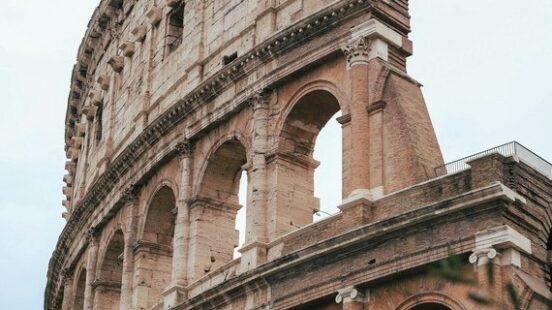
The Colosseum is the largest ancient amphitheatre ever built, standing in the archaeological heart of Rome. Originally known as the Flavian Amphitheatre, it seated over 50,000 spectators for contests and public events; an enduring feat of Roman engineering and one of the most captivating Italian landmarks.
A privately guided tour brings the space to life, revealing the human stories behind the stone. With an expert historian, you can explore the exposed hypogeum before heading to the upper levels for views over the arena and out across the Roman Forum. It’s a vivid, often moving experience that provides a deeper understanding of the society that shaped it.
3. Parthenon, Athens
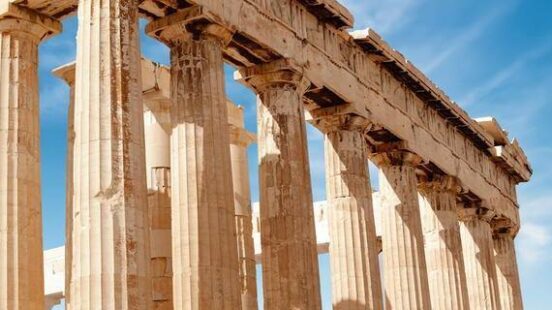
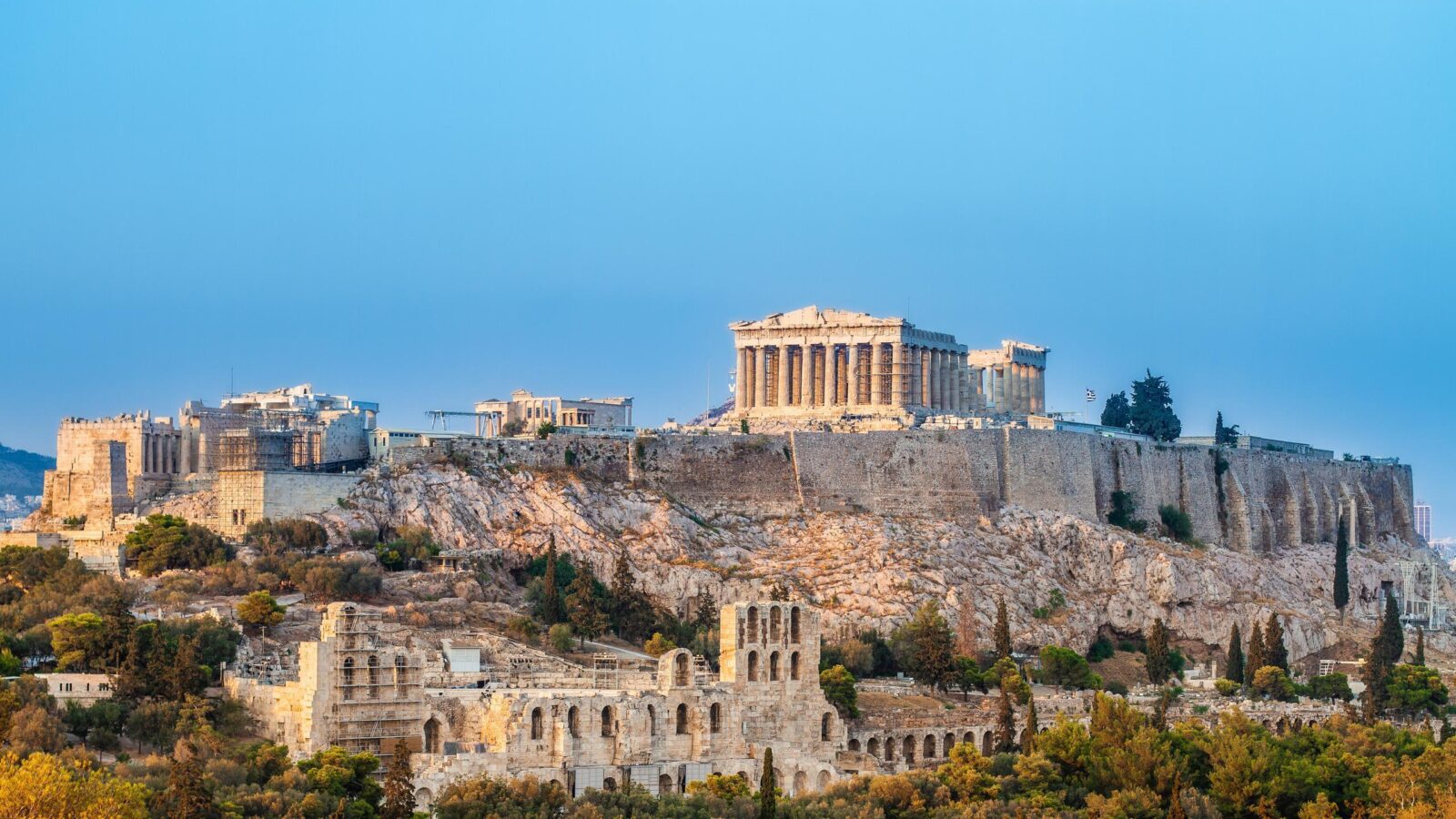
Crowning the Acropolis, the Parthenon has watched over Athens for more than 2,400 years. Dedicated to Athena, the goddess of wisdom, this Doric temple reflects the philosophical, political and artistic ideals of classical Greece.
The best time to visit is during the shoulder season (April to June and September to October) when the weather is cooler and the crowds have thinned. We especially love the early morning and golden hour in the evening, when softer light brings out the finer details of the architecture and offers a quieter, more reflective experience. It’s an ancient European landmark, where the grandeur of the past feels touchably close.
4. La Sagrada Familia, Barcelona
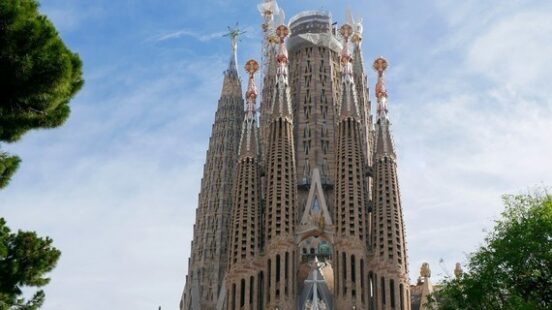
Rising above Barcelona’s skyline, La Sagrada Familia is a masterwork of stone, light and colour. Its dramatic towers and organic lines transform the city into a living gallery of modernist design. Combining Gothic and Byzantine influences, it embodies Gaudí’s visionary approach, where every detail is intentional and symbolic.
Stepping inside is a sensory experience; sunlight filters through casting patterns across the floor as tree-like columns stretch toward the ceiling. An expert guide will lead you through the basilica’s soaring spaces explaining the meaning behind its sculpted façades, each telling stories of love, hope and faith. For something truly special, surprise a loved one with a private photography session to capture meaningful moments in one of Spain’s beautiful places.
5. Stonehenge, Wiltshire
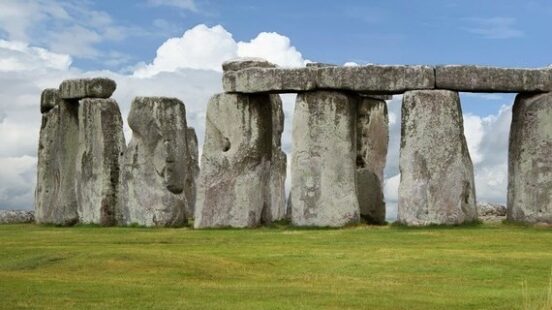
Set in the rolling countryside of Southern England, Stonehenge is one of the most renowned prehistoric sites and a truly iconic historical attraction in Europe. A UNESCO World Heritage Site believed to have once served as a cremation cemetery, before evolving into a ceremonial space of spiritual and seasonal significance.
The monument’s scale and precise astronomical alignments continue to inspire awe, especially during the summer and winter solstices. Every June and December the stones align spectacularly with the rising and setting sun, casting long shadows across the plain and vividly highlighting its deep-rooted connection to the natural world.
6. Leaning Tower of Pisa, Pisa
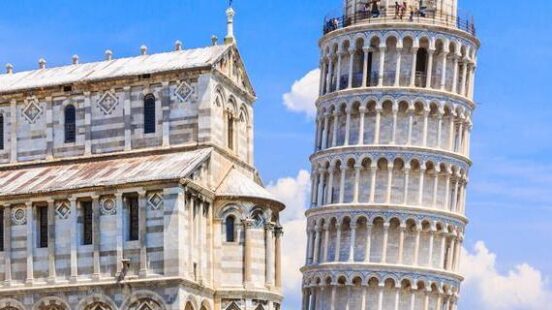
Set within Pisa’s Field of Miracles in Tuscany, the Leaning Tower was built as a bell tower for the nearby Romanesque cathedral. Its distinctive tilt, resulting from unstable foundations, quickly became one of the most recognisable architectural landmarks in Europe. Climbing the spiral staircase is a surreal experience as the angle becomes strikingly clear and you can actually feel the lean as you go.
Pisa is often included as part of a wider journey across Tuscany and central Italy. We can pair your visit with private art history tours in Florence or family-friendly activities, like a scavenger hunt through the Uffizi. The tower’s setting also invites exploration beyond the city, with vineyard visits, hands-on cooking classes, and fun, interactive experiences for families.
7. Hagia Sophia Grand Mosque, Istanbul
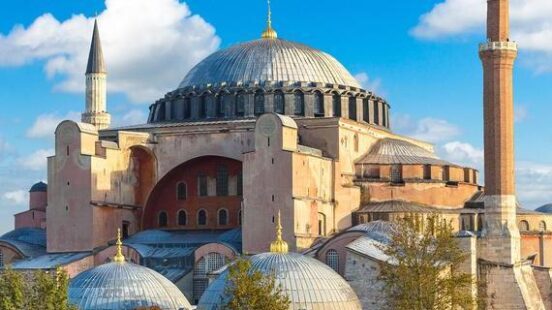
At the crossroads of Europe and Asia, Istanbul’s Hagia Sophia reflects centuries of cultural and religious transformation. Once a Byzantine cathedral and an Ottoman mosque, this European landmark represents the coexistence of Christian and Islamic traditions within one extraordinary space.
Step barefoot onto cool marble floors as your private guide brings to life the stories held within its gilded mosaics, arched ceilings and towering columns sourced from across different countries. Light filters softly through high windows, catching the shimmer of gold and stone. For many, it’s not a visit, but a quiet and powerful journey through faith and architectural genius.
8. Tower of London, London
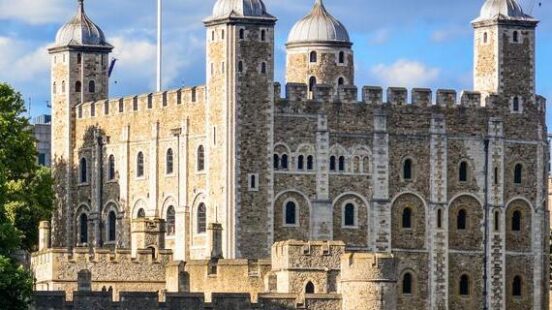
Set along the banks of the River Thames, the Tower of London has stood for nearly a thousand years as a symbol of royal authority and formidable strength. Commissioned by William the Conqueror in the 1070s, this historical attraction in Europe has served as a royal residence, treasury, prison and execution site.
Every year, the Tower’s moat is transformed into a field of ceramic poppies, commemorating the lives lost in World War I and II; a moving tradition that began with the 2014 centenary installation. Inside the fortress, a Yeoman Warder leads you through dimly lit corridors, royal chambers and historic courtyards, bringing centuries of political intrigue and tradition into focus.
9. Brandenburg Gate, Berlin
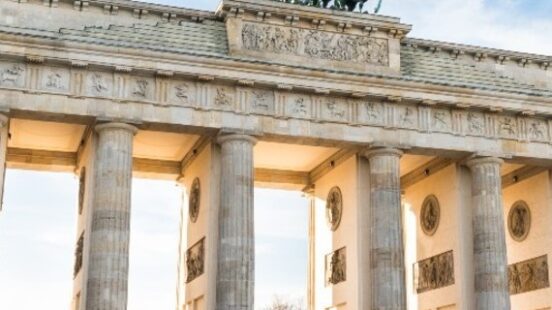
Berlin’s Brandenburg Gate is an 18th-century neoclassical icon that has come to embody Germany’s resilience. During the Cold War, it stood isolated behind the Berlin Wall, becoming an emblem of reunification in 1989. Walk beneath the Quadriga of Victoria and notice the 12 Doric columns, their symmetry inspired by the gateway to the Acropolis in Athens.
From late November to early January, this European landmark transforms into a winter wonderland. A majestic Christmas tree stands beside the Gate, its twinkling lights mirroring nearby markets like Gendermenmarkt or Charlottenburg Palace. Wander a Christmas market sipping glühwein (mulled wine) and savouring local treats like gingerbread; a moment worth experiencing firsthand.
10. Belém Tower, Lisbon
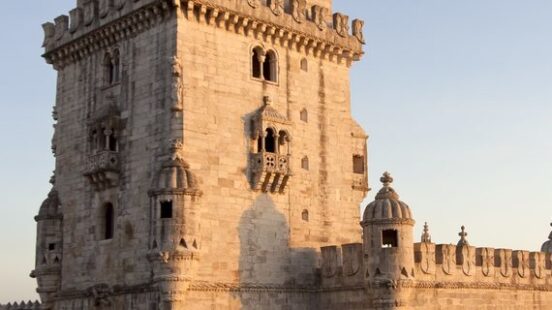
Belém Tower is a fortified 16th-century monument in Lisbon that once stood watch over the city’s riverfront, one of the enduring highlights of Portugal. Designed by Francisco de Arruda, its distinctive Manueline architecture combines maritime motifs with military features, from rope-carved stonework to decorative turrets.
A memorable way to admire the tower is from the water. Meet your crew at Belém dock and board a luxury sailing boat along the Tagus River, gliding past the tower, downtown Lisbon and Praça do Comércio. As you take in the scenery, enjoy drinks and appetisers at your own pace; a relaxed, elegant way to connect with the city’s layered heritage.
11. Schönbrunn Palace, Vienna
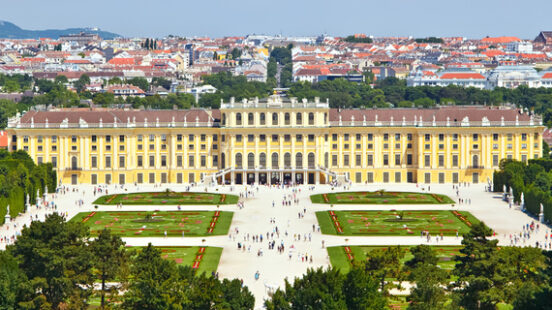
With 1,441 rooms, Schönbrunn Palace is the largest palace in Austria and one of Europe’s grandest landmarks. Originally a 17th-century hunting lodge, it became the Habsburg’s summer residence later transformed by Empress Maria Theresa into a Baroque masterpiece, blending Rococo elegance with Neoclassical flourishes.
Visit between April and May to see how the palace gardens bloom with tulips stretching from the Neptune Fountain to the Gloriette, where panoramic views over Vienna reward the gentle climb. At Café Residenz, you can settle in with a Melange coffee and enjoy apple strudel freshly prepared in front of you; warm slices served with the original recipe to recreate this Viennese tradition at home. A small, sweet moment in a place defined by grandeur.
12. Chapel Bridge, Lucerne
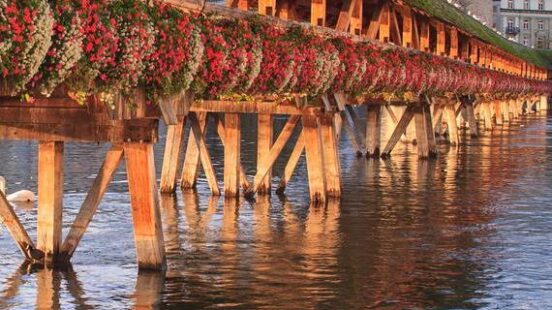
Chapel Bridge is Europe’s oldest covered wooden bridge, linking Lucerne’s old and new towns beside the octagonal Water Tower, which has served as both a prison and a treasury. As you walk across, notice the painted triangular panels beneath the roof, illustrating scenes from Swiss history; a unique feature shared by only two bridges worldwide.
From the water, aboard a scenic cruise on Lake Lucerne, its elegant structure comes into full view, set against the backdrop of Mount Pilatus and the surrounding alpine landscape. Visit in December to see thousands of festive lights reflected in the river, or come in summer (July and August) to enjoy cool drinks at lakeside cafés as the bridge glows beneath long golden evenings.
13. Diocletian’s Palace, Split
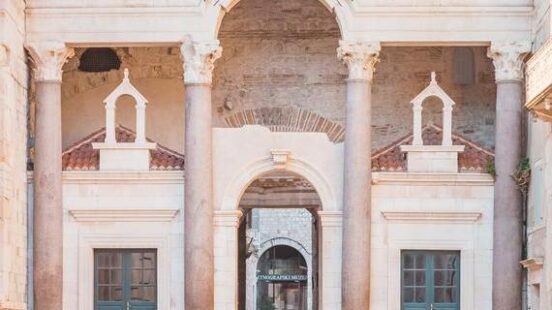
Diocletian’s Palace is a UNESCO World Heritage Site and one of the most remarkable Roman landmarks in Europe. Originally built as Emperor Diocletien’s retirement residence, it forms the historic heart of Split, with fortified gates, corner towers and arcaded upper levels overlooking the Adriatic.
Best explored early in the morning or later in the evening, a private guided tour offers a quieter, more atmospheric experience. Within its maze of narrow streets you’ll find artisan shops, lively markets and the Peristyle courtyard, where classical columns frame open-air cafés serving local delicacies. As daylight fades and live music begins, the palace transforms into a living tapestry of old and new; an unforgettable highlights of Croatia.
Europe travel guides
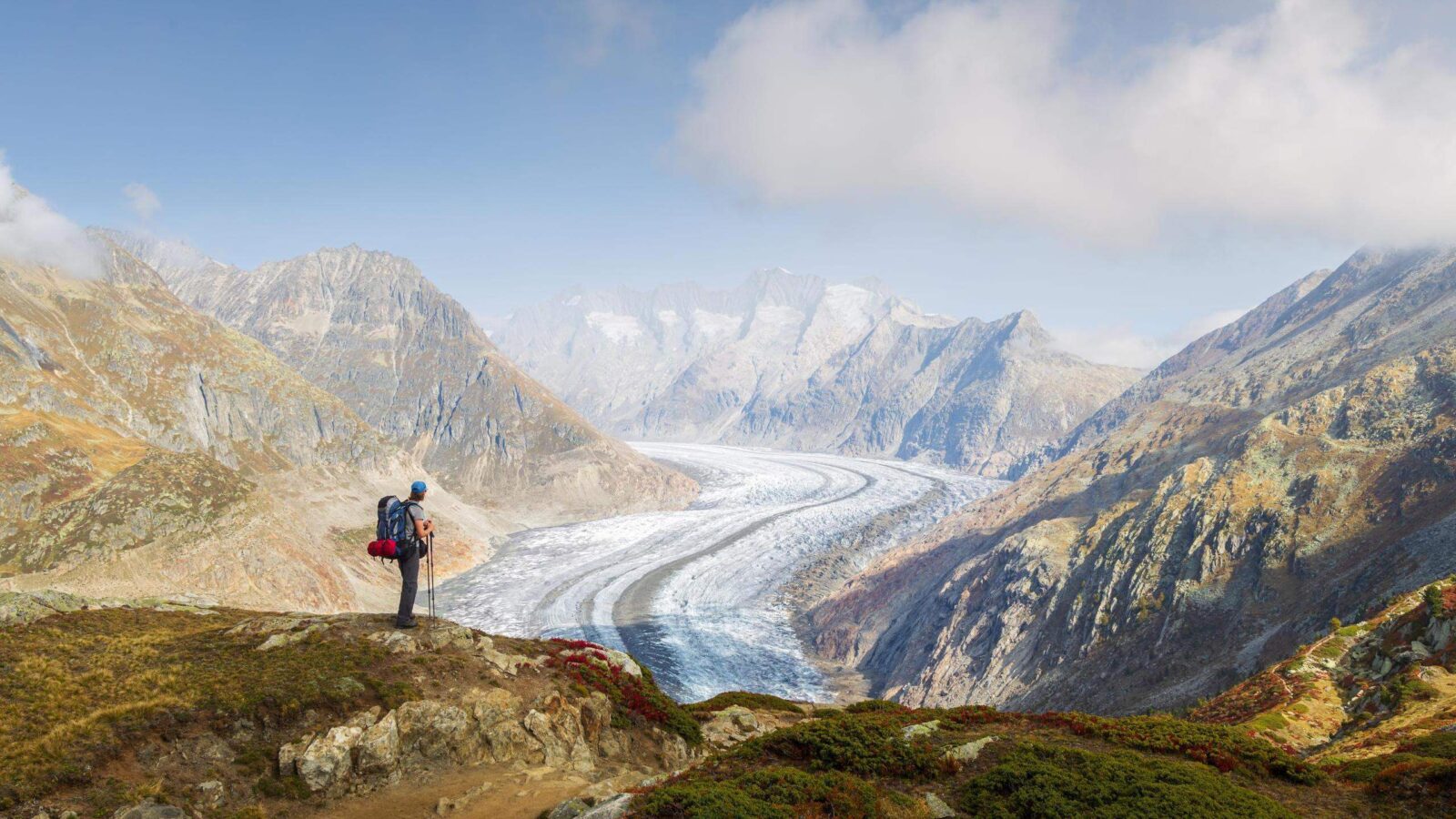

Our Favourite Countries to Combine in Europe
Discover the best country combinations to inspire your next European journey. Trace the route of your perfect family trip or romantic sojourn. Find out where y…
Read more
The Best Winter Experiences in Europe
Winter is the season when Europe displays its twinkling markets, offers breathtaking rail journeys, cosy retreats and skies that feel almost otherworldly. Our…
Read moreTrip inspiration
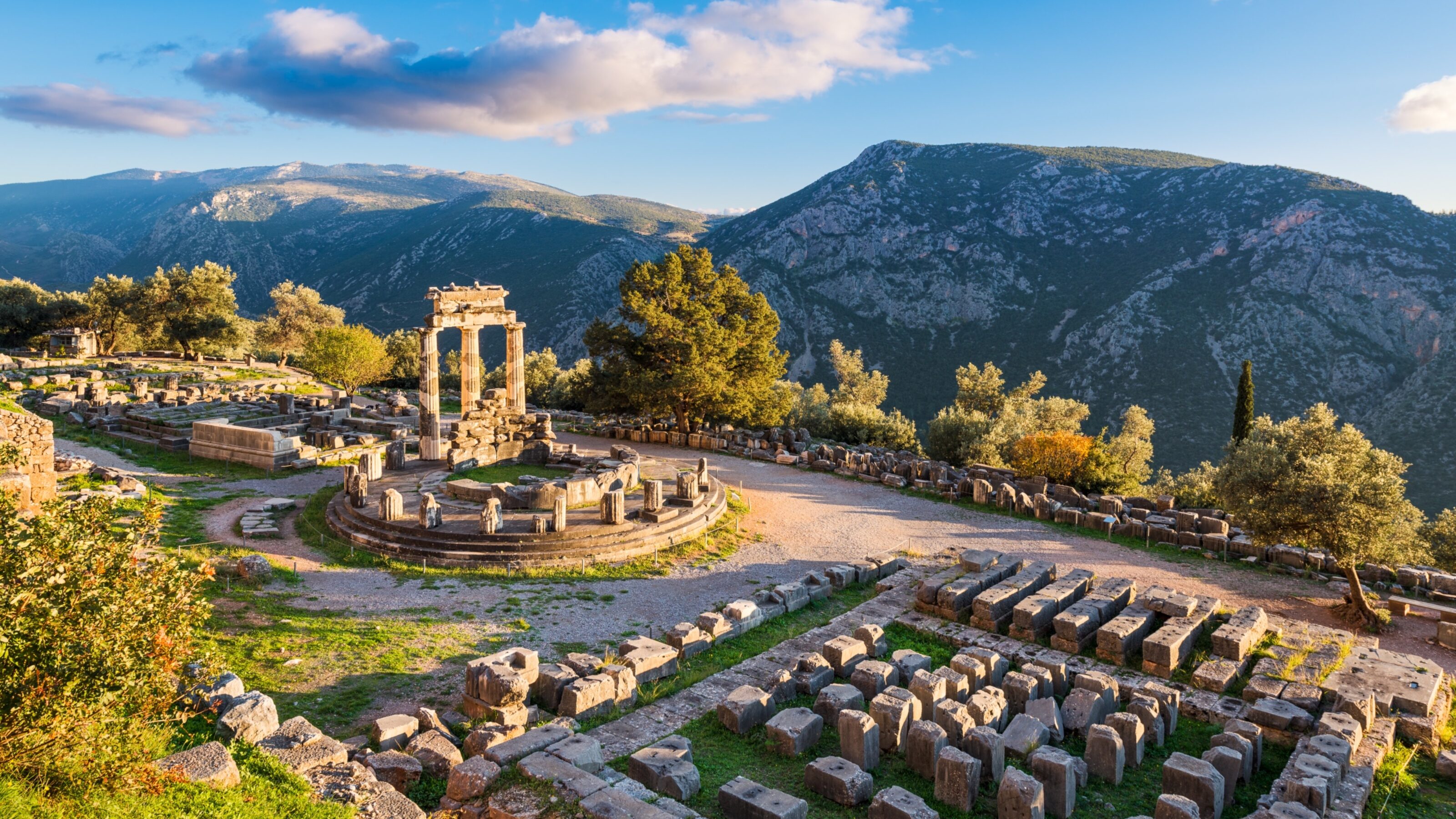
Luxury Greece Highlights
Embark on a luxurious 12-day journey through Greece, visiting Athens, Crete and Santorini. In Athens, explore the Acropolis and Plaka with a private guide and…
Explore trip
A Culinary Journey Through Incredible Italy
Embark on an epicurean adventure through the heart of Italy, where every dish tells a story of tradition and innovation. From the cosmopolitan allure of Milan…
Explore trip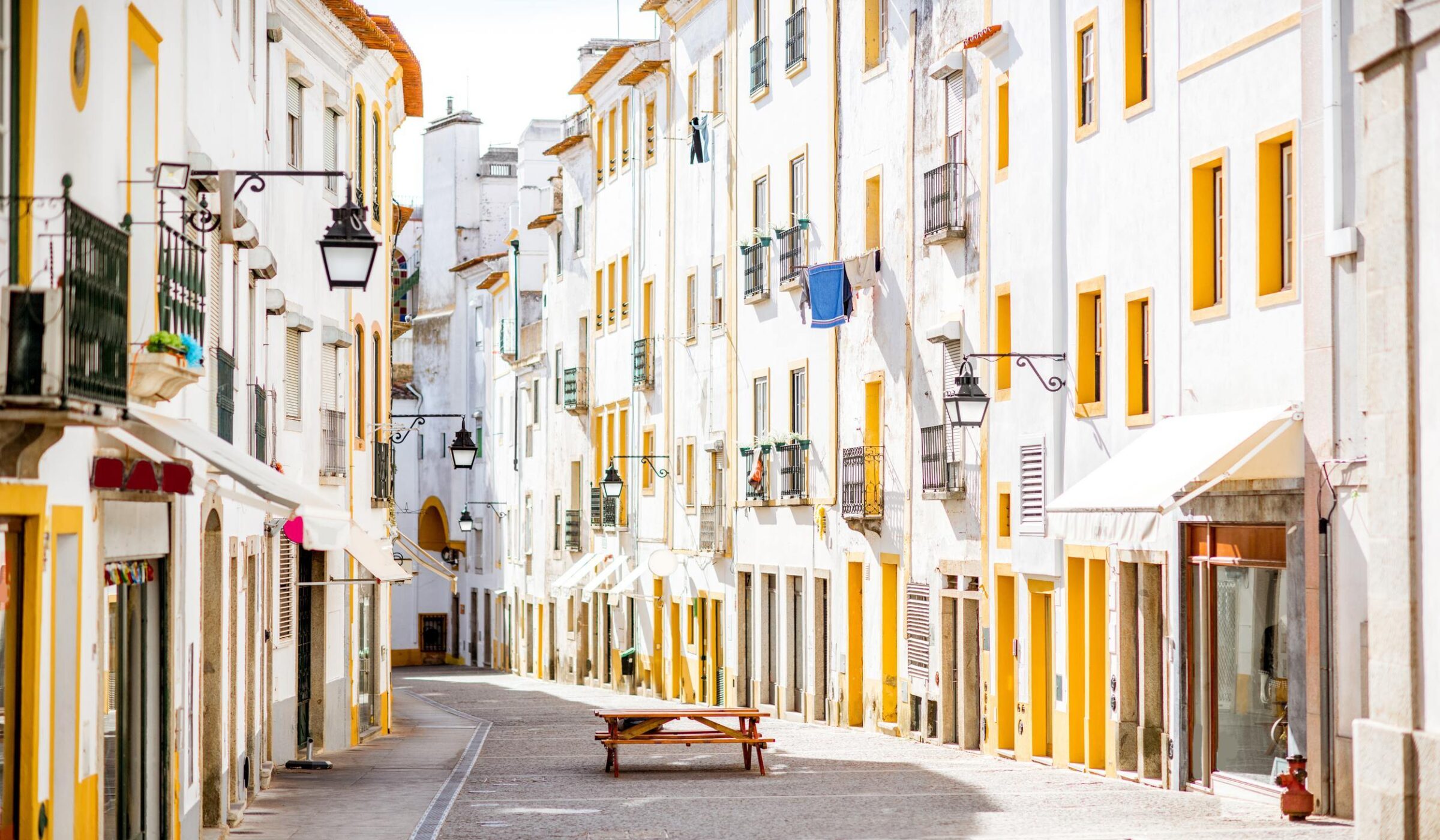
The Highlights of Portugal
From the historic beauty of Alentejo and the highlights of Lisbon, to the pretty coastal town of Cascais and Porto’s ancient port cellars, Portugal can easily…
Explore tripWhere to stay
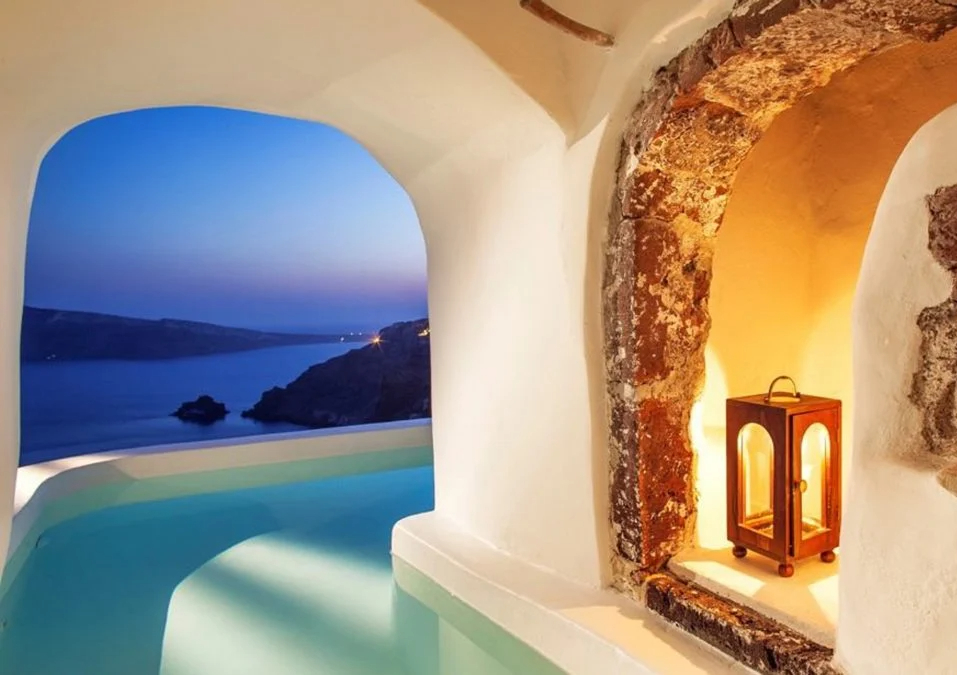
Canaves Oia Suites
An elegant luxurious cliff-side retreat
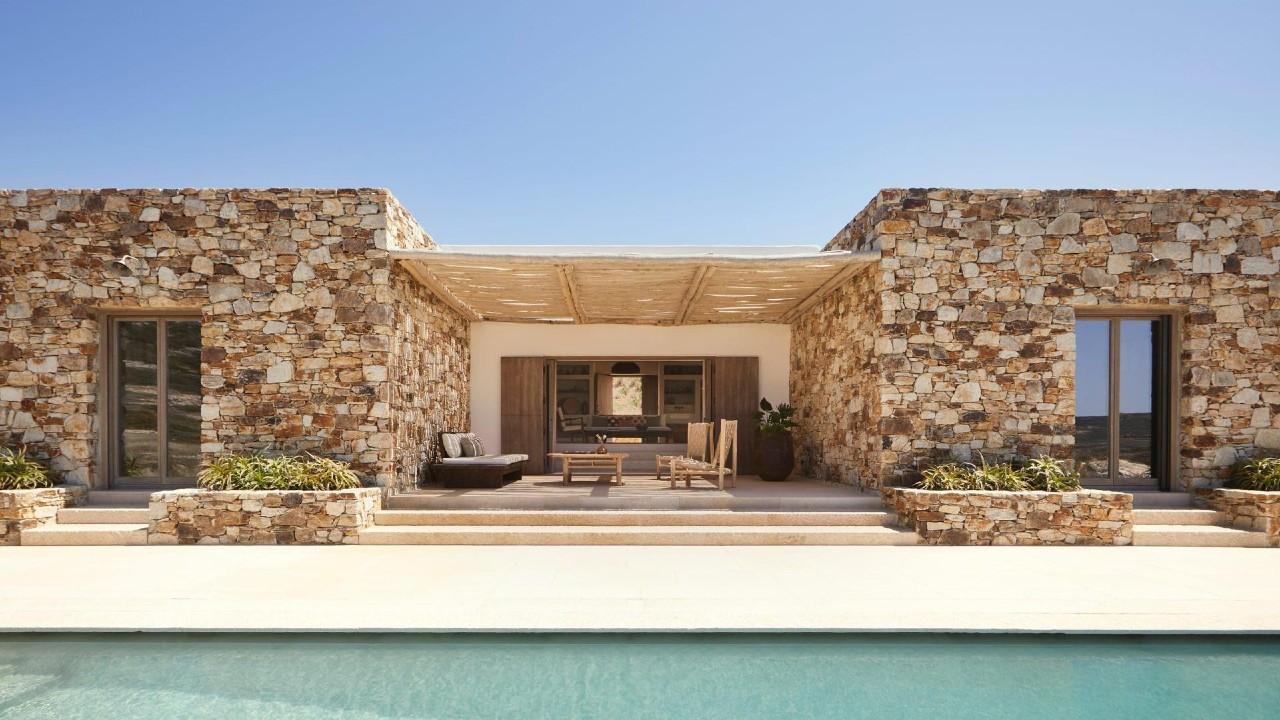
Rooster, Antiparos
Rooster Antiparos is a place to stay in Paros, Greece.
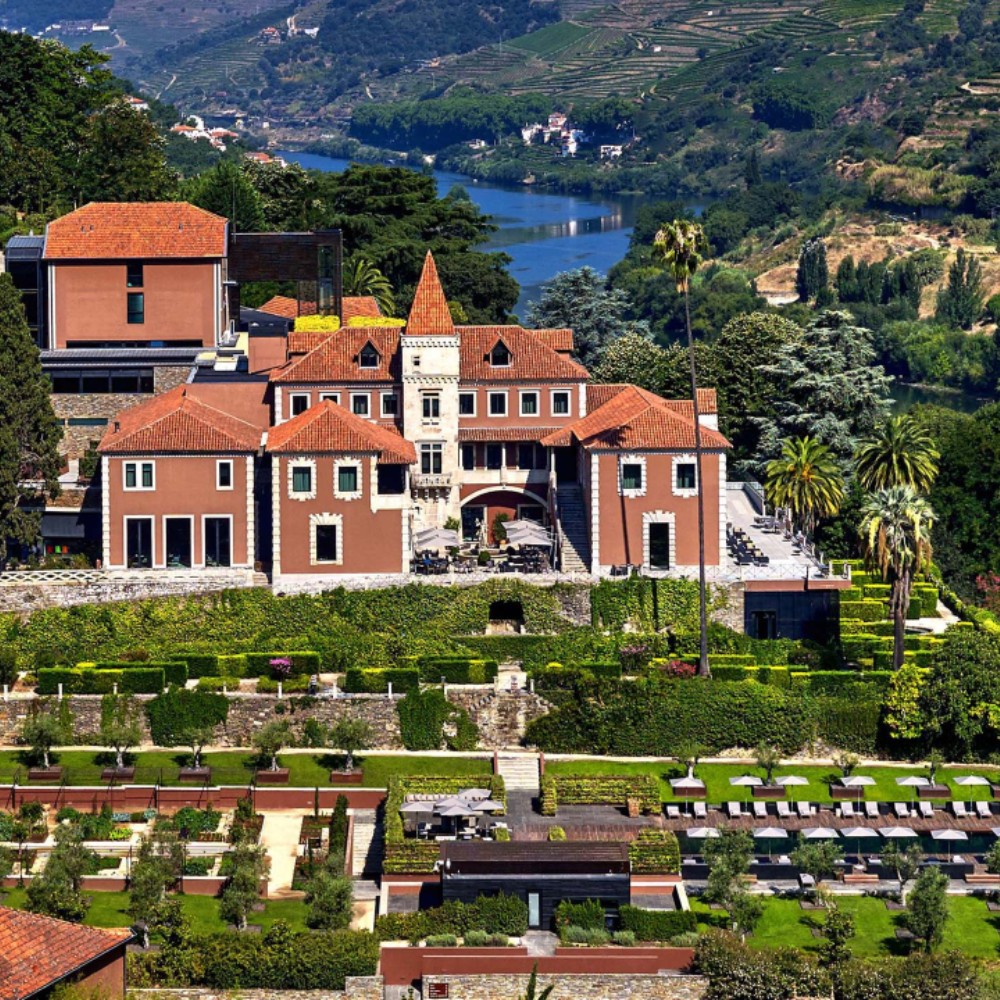
Six Senses Douro Valley
Authentic Portuguese design meets contemporary decor
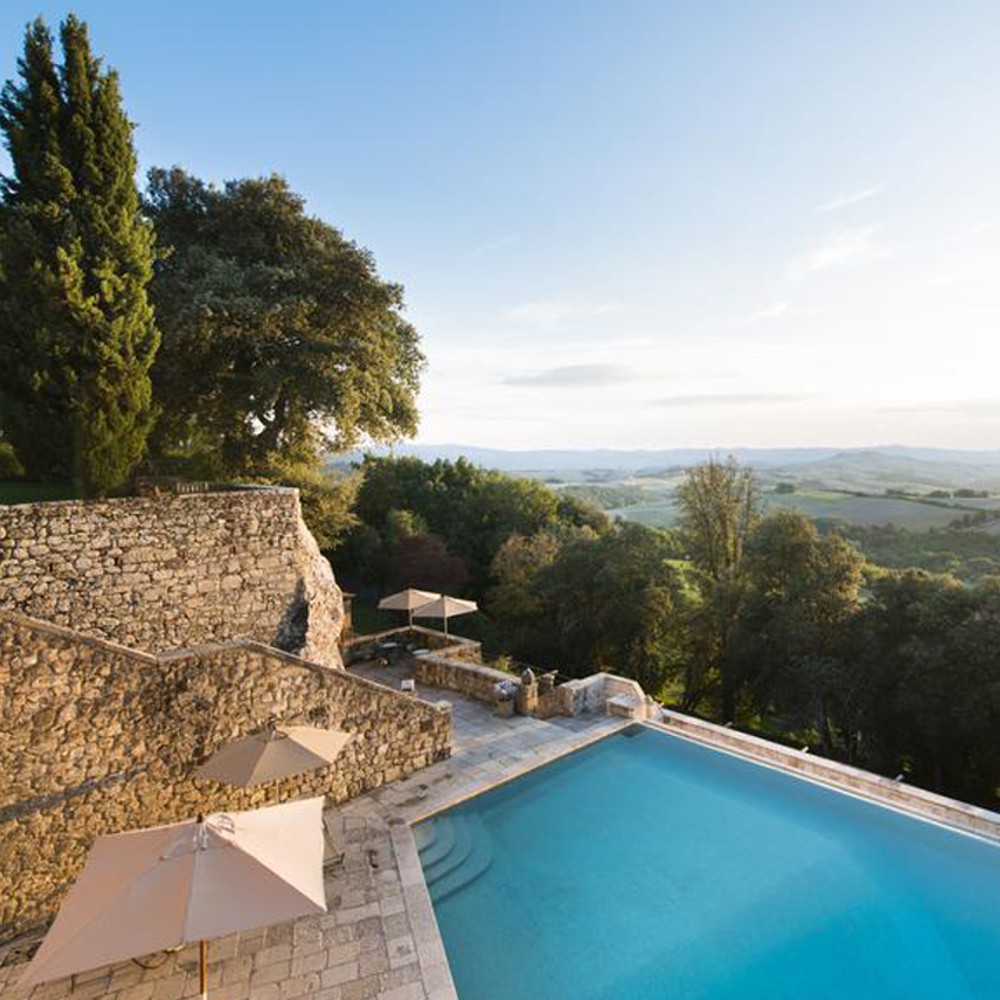
Borgo Pignano Volterra
A beautifully restored Tuscan estate
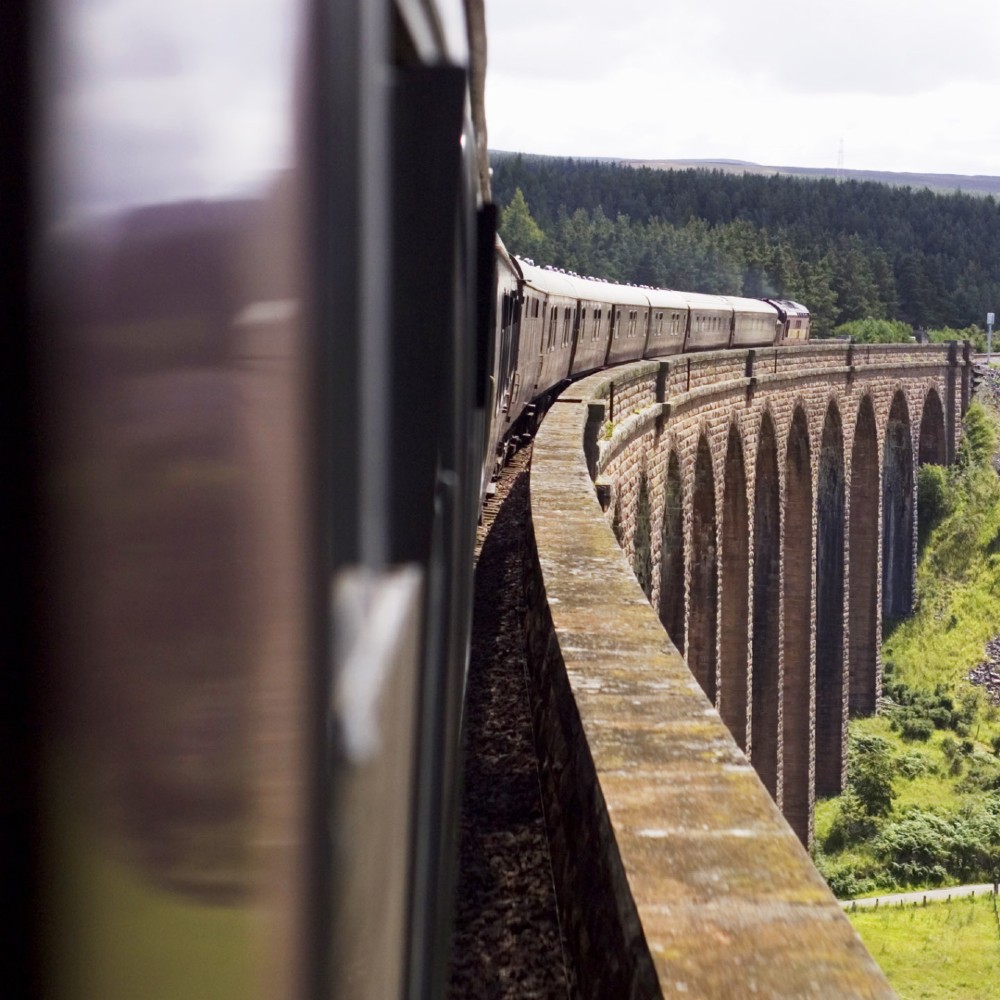
Belmond Royal Scotsman
One of the world’s most opulent trains
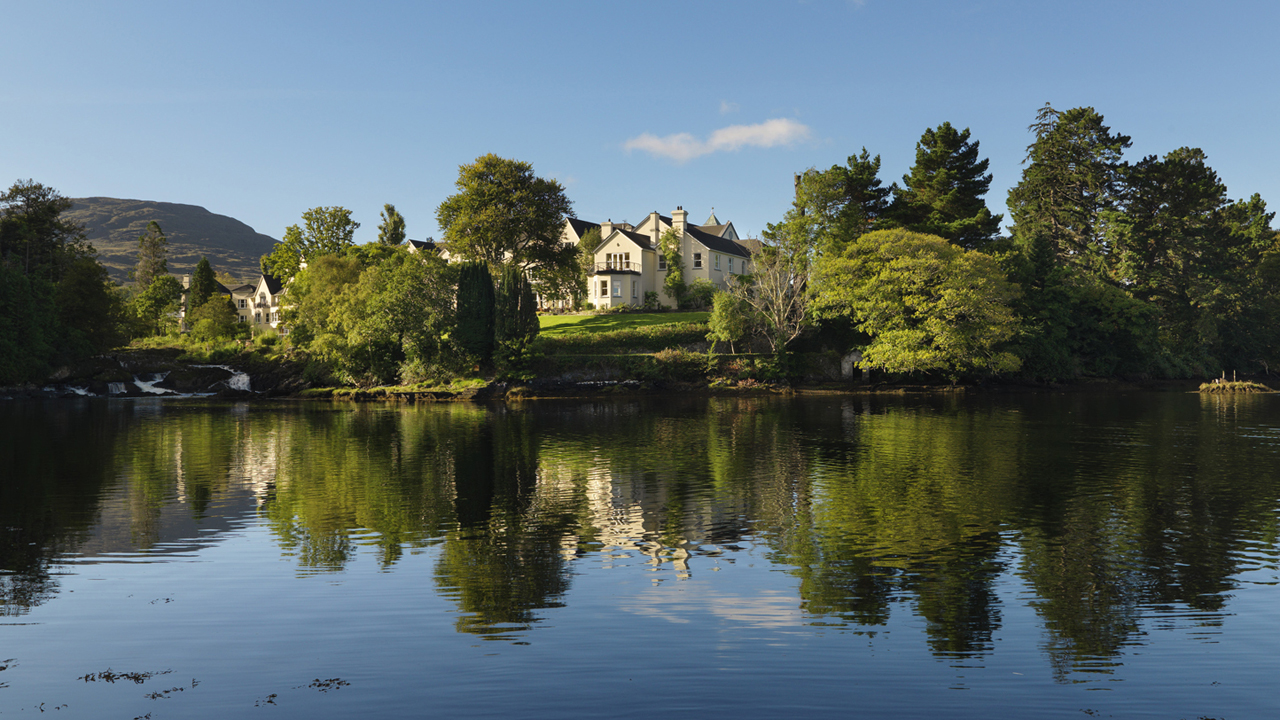
Sheen Falls Lodge
Sheen Falls Lodge is a lodge in Killarney and the south-west, Ireland.
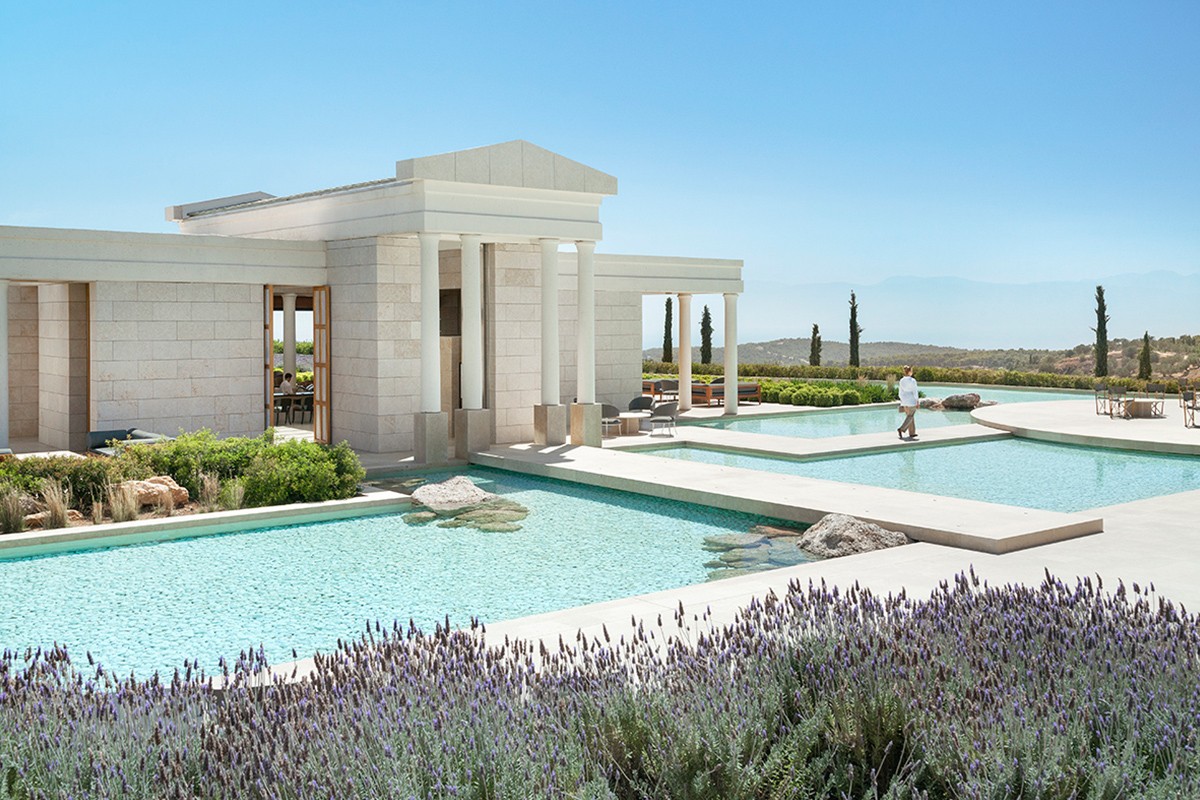
Amanzoe
Amanzoe is a place to stay in Peloponnese, Greece.
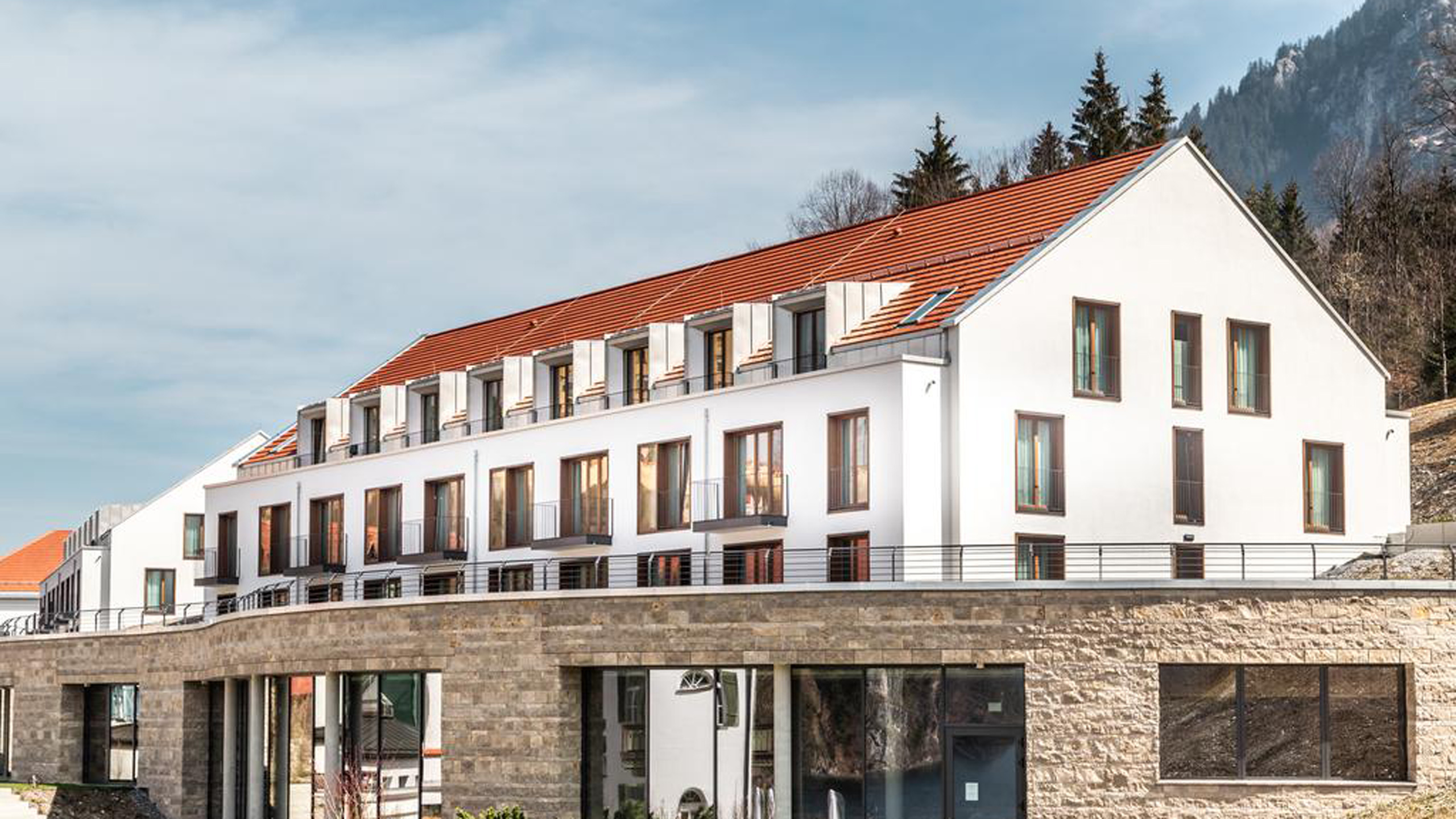
Ameron Neuschwanstein Alpsee Resort and Spa
Ameron Neuschwanstein Alpsee Resort and Spa is a hotel in Bavaria, Germany.
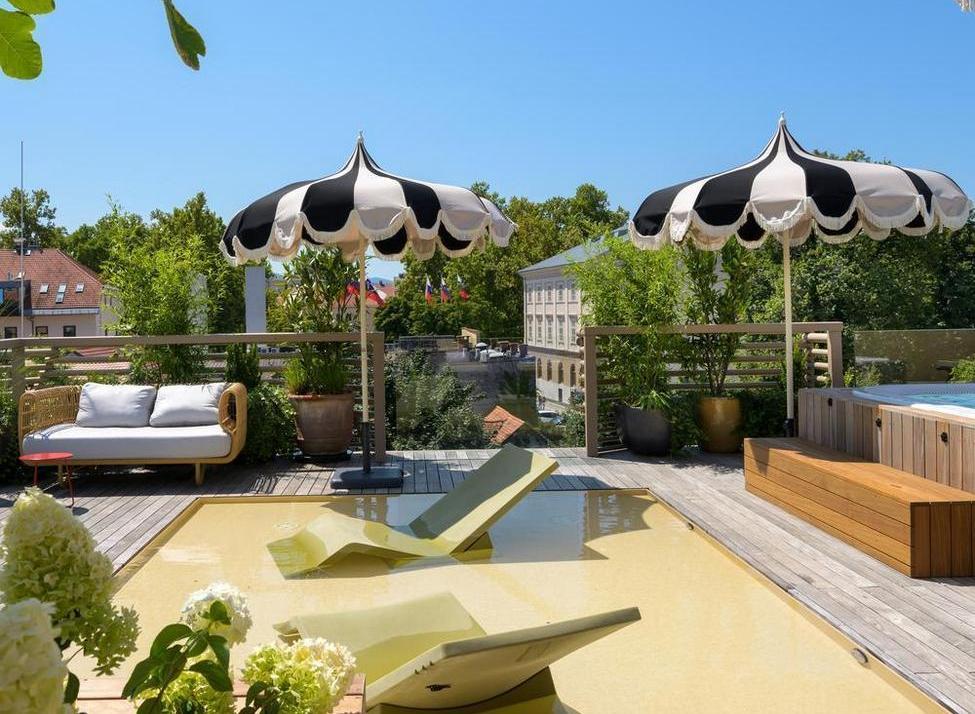
AS Boutique Hotel
Contemporary design in Ljubljana’s historic centre
Ready to start planning?
Tell us what you have in mind and our travel designers will shape the first ideas with you.
Start planning