
11 min read
The Best Time to Travel to Europe
Contents
- Europe month-by-month climate guide
- January in Europe
- February in Europe
- March in Europe
- April in Europe
- May in Europe
- June in Europe
- July in Europe
- August in Europe
- September in Europe
- October in Europe
- November in Europe
- December in Europe
- The best things to do in Europe by season
- Events and festivals in Europe throughout the year
- Travel guides

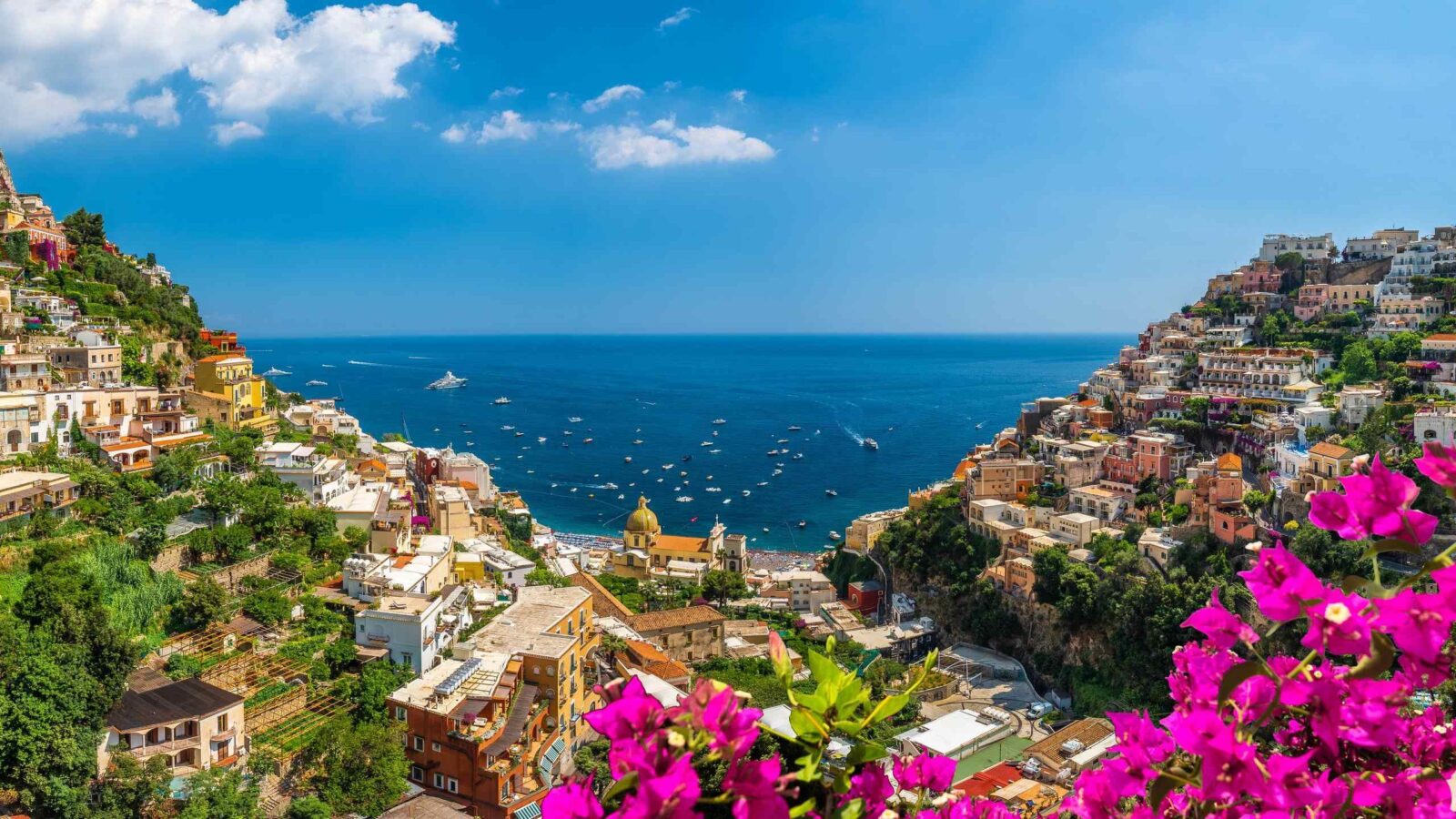
The best time to visit Europe is from April to June and September to October, allowing you to enjoy warm and sunny weather whilst avoiding the peak summer crowds. The average temperatures around the Mediterranean can reach 23°C–27°C (73°F–80°F) during this time, ideal for island hopping in Greece or sipping an aperitivo in Italy.
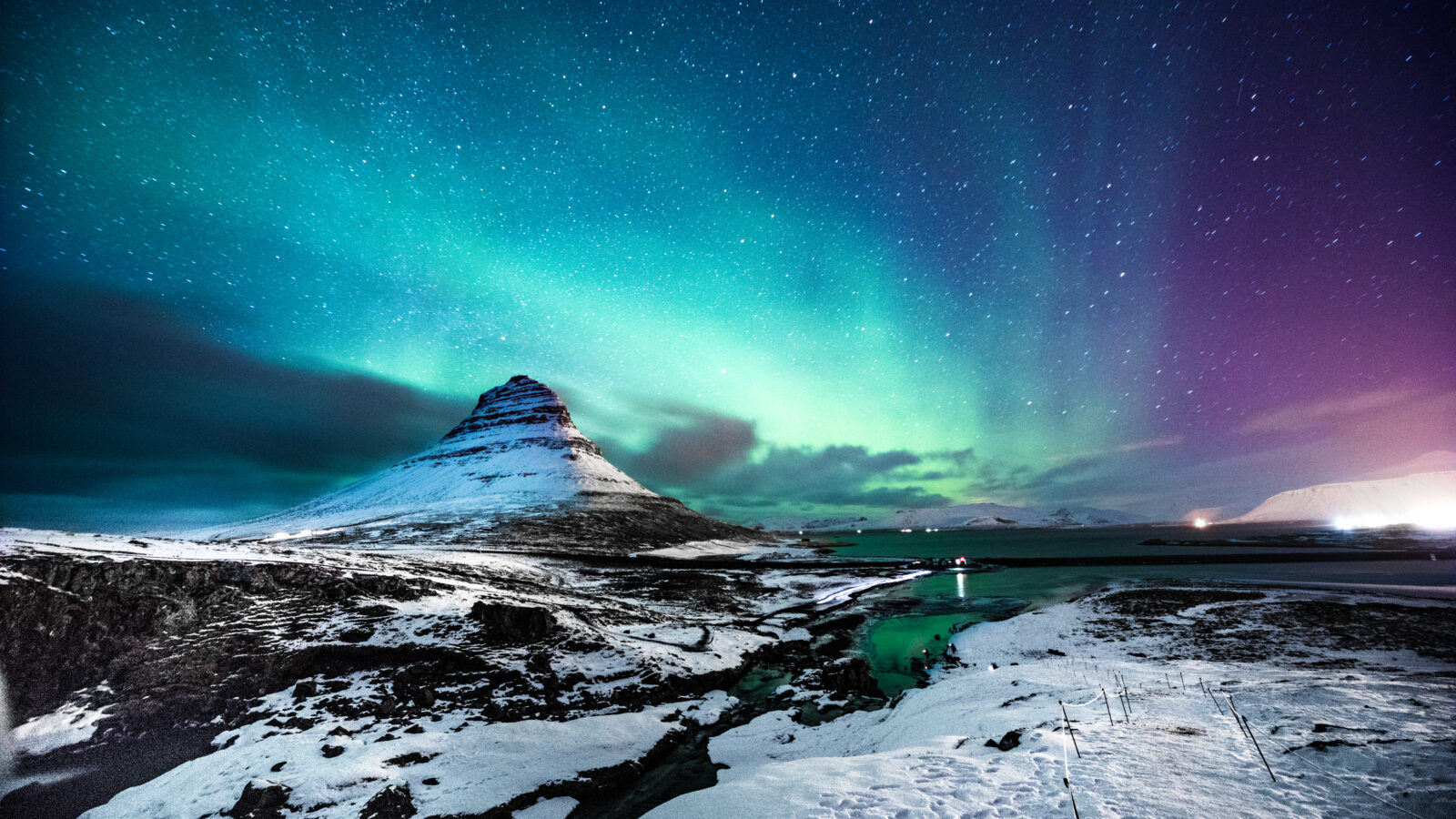
That being said, for others, the best time to travel to Europe is during the colder winter months of December to February, when the northern lights illuminate the pristine snow in Iceland and Finland.
In reality, there is no real best month to visit Europe. Depending on your interests and the type of holiday you want, Europe can be a year-round destination. From polar bear territory in the Svalbard Islands to the beaches of Bodrum, its diverse climates promise enjoyable holidays in every month of the year.
Choosing when to visit Europe for your adventure will depend on the climate in the places you want to visit, and which activities you’d like to do while you’re there. With this in mind, we’ve asked our experts to create a climate guide that covers the whole continent, explaining not only the climate, but also the geographical distinctions and the best activities.
Europe month-by-month climate guide
To help you decide the best time to visit Europe, we’ve compiled a month-by-month climate guide to highlight the different weather conditions in some of our favourite spots around the continent. It’s important to remember that climate differs across the region, for example, the Gulf Stream keeps areas of Western Europe warmer than their Eastern counterparts, while high-altitude areas such as the Alps remain covered in snow for six months out of the year.
January in Europe
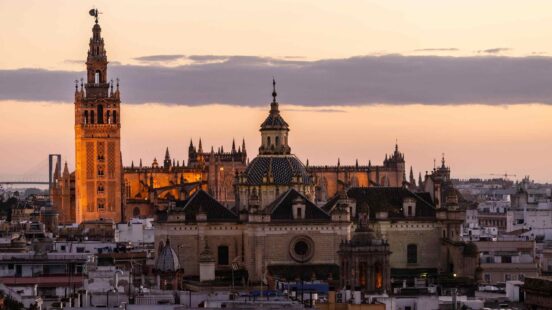
January is the coldest month of the year for most of Europe, with temperatures in western European countries such as England, France and Germany averaging around 3°C (37°F), and dipping below freezing in the northern parts of the continent. It’s one of the best times of year to see the northern lights in Iceland, or take some time to explore southern cities like Seville and Lisbon where the weather is decidedly milder, expect highs of 16°C (60°F), and tourists are few.
February in Europe
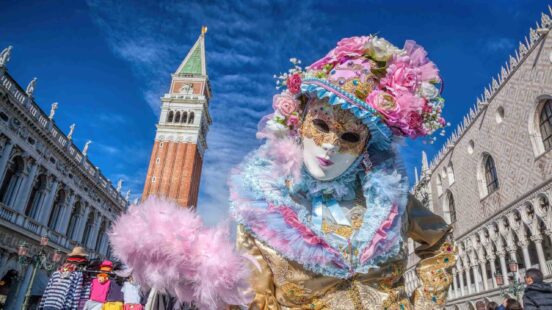
The weather in Europe during February is very similar to January, with temperatures remaining chilly for much of the continent, between 3°C–5°C (37.4°F–41°F ) Things are starting to thaw however, and you may see the first signs of spring as crocus and daffodils begin to peep through. Ring in the start of Lent by celebrating at the world famous Carnival in Venice.
March in Europe
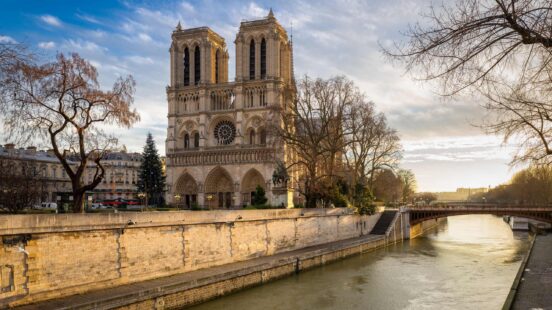
March signals the official start of spring in Europe, and while temperatures may start to feel warmer, hovering around 7°C–10°C (44.6°F–50°F) in the England, France and Germany, the weather can still be unpredictable. Easter can fall during either March or April, and this is the perfect time to go to Spain to witness the country’s famous Holy Week processions.
April in Europe

In April in Europe, spring is in full swing. Daylight saving has begun, meaning longer days, and on the whole, a warmer and drier climate. Temperatures can creep towards 20°C (68°F) around the Mediterranean. April is considered a shoulder season for much of Europe, making it a great month to visit popular destinations such as Athens, Rome, Split and Venice before the temperatures (and visitor numbers) soar.
May in Europe

By May, the weather throughout most of Europe is pleasantly dry and warm, with temperatures generally around 15°C–18°C (59°F–64.4°F). The continent is in full bloom, and May is the perfect month to see Europe’s nature at its best. See sweet lambs in the Cotswolds, catch the end of Amsterdam’s tulip season, or enjoy a private, guided visit to the world-famous Chelsea Flower Show, which is held in London at the end of the month.
June in Europe
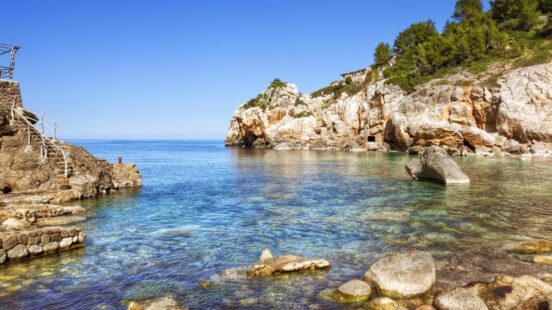
Temperatures continue to rise during June in Europe, with western countries such as France, Belgium and Austria now experiencing long, sunny days of around 19°C–20°C (66.2°F–68°F). The schools haven’t yet broken up for the long summer break, so June is the perfect month to soak up some sun on the sensational beaches of the Balearics before the peak of Europe travel season begins.
July in Europe

July is one of the hottest months of the year in Europe, and also one of the busiest. Temperatures average around 22°C (71.6°F), but can be much higher, reaching over 27°C (80.6°F) around the Mediterranean. July is the ideal time to visit France, when the lavender fields of Provence are at their most spectacular, and the azure waters of the French Riviera set the perfect scene to celebrate Bastille Day.
August in Europe
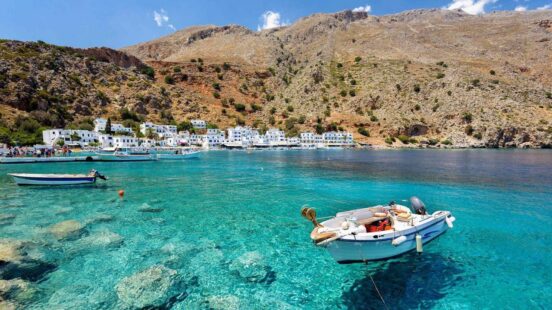
August is the peak of summer in Europe, with warm temperatures almost everywhere. Expect an average high of around 28°C (82.4°F). Beach destinations such as the Algarve, Crete and the Amalfi Coast are all popular places to sit back and enjoy the sun, although we recommend booking early as the best hotels will fill up fast.
September in Europe

September in Europe marks the transition from summer to autumn. Average temperatures are around 22°C (71.6°F) but start to drop as the month wears on. Early to mid September is a great time to go on a beach vacation without the crowds, while late September brings the opportunity to see the grape harvest in areas such as Tuscany and the Douro Valley.
October in Europe
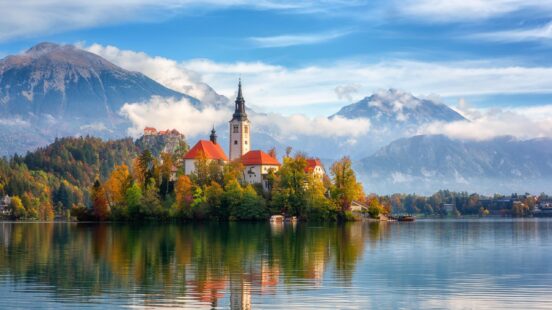
The weather in October varies greatly across Europe. While the south of the continent remains balmy, the northern countries become noticeably cooler and wetter. There’s highs of 19°C (66.2°F) in Spain and only 7°C (45°F) in Iceland. Vibrant autumn hues enhance the already astounding natural beauty of areas like the Dolomites and Lake Bled, while the cooler temperatures are ideal for exploring eclectic cities like Berlin and Copenhagen.
November in Europe
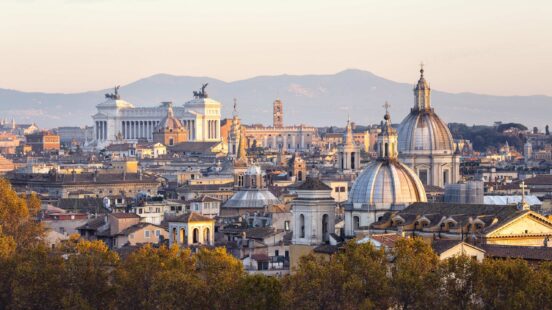
November weather in Europe sees lower temperatures of below 10°C (50°F) and more rainfall – around 70mm for the month in the western parts of the continent. November is off season for Europe, and while opening hours may be adjusted, it’s the quietest time of year to see many of the main tourist attractions in cities such as Paris and Rome.
December in Europe

The weather in Europe throughout December is cold – around 5°C–6°C (41°F–42.8°F) in areas such as England and France, and dropping below -1°C (30.2°F) in the northern and eastern nations such as Norway and Sweden. Cities may even get a sprinkling of snow, while in the mountains it’s almost guaranteed. Warm up with a mulled wine at a Christmas market – some of the best can be found across Germany, Austria and France.
The best things to do in Europe by season
Europe offers a wealth of different experiences, including cultural, natural, gastronomic and adventure. The experiences you want to enjoy can help you choose the best time to go. To inspire you, here are some of our favourite things to do throughout Europe, as well as the best time to do them, all tried and tested by our travel designers and concierge team.
Discover a winter wonderland in Lapland
December

A festive family adventure to Finnish Lapland makes for a truly memorable experience during the holiday period. Travel in December to discover snow-frosted forests by snowmobile or sled, meet friendly reindeer and learn about the indigenous Sámi who call it home. For families with young children, a stop at Santa Claus Village in Rovaniemi is a must, while the northern lights are at their strongest.
Go island hopping in Greece
April – June
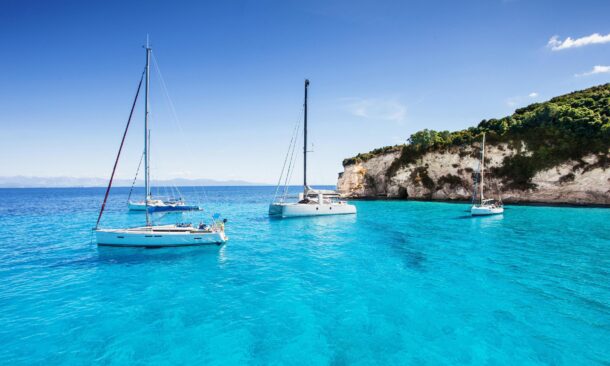
With over 6,000 Greek islands scattered across the Mediterranean, it would be impossible to explore them all, but chartering a private yacht gives you the freedom and flexibility to discover as many as you wish. Each island has its own distinct charm, from the idyllic beaches of Milos to the white-washed walls and cobbled streets of Paros. Going during the shoulder season allows you to explore without the summer crowds while still enjoying some sun.
See the grape harvest in Tuscany
September – October

Renowned for their eponymous wine variety, the vine-laden hills of Chianti in Tuscany welcome the grape harvest each year between September and October, when the grapes are perfectly sweet. Visit during this time to witness the harvest and learn about the region’s local wines, food and culture. You’ll also get the chance to sample a few at the wine tastings and festivals which take place throughout the region.
Hike the Dolomites
June – September
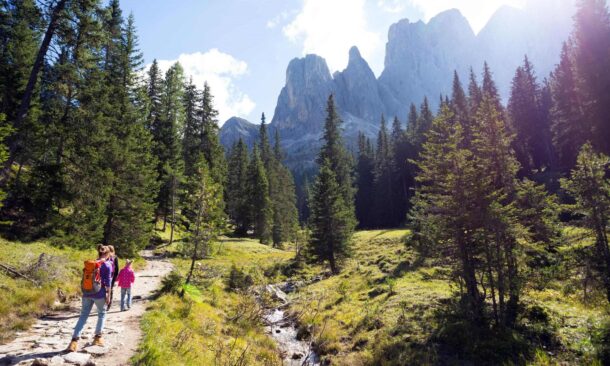
Forming nature’s own adventure playground, Italy’s Dolomites are a great destination for hiking, climbing and mountain biking. Summit Marmalada, the highest peak - also known as the Lady of the Dolomites, or simply enjoy the captivating panoramas of craggy mountains and glassy lakes that await on every trail. Visit from June to September to witness the natural sights at their best and enjoy warm temperatures ideal for hiking.
Get lost in Paris’ museums
November – February
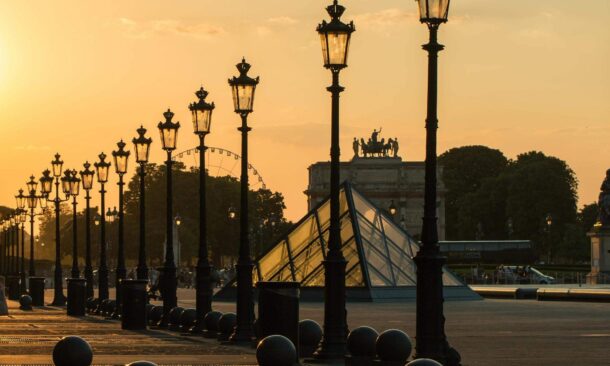
Excluding the festive period (as many museums close), the colder, rainier winter months of November to February are the perfect time to explore Paris’ myriad museums and indoor attractions. Travelling Europe in winter means fewer crowds and generally shorter queues at the city’s most popular attractions. Shelter from the cold inside the Musée d’Orsay, the Opéra Garnier and the iconic Louvre, featuring on our list of the worlds best museums.
Ride Switzerland’s Glacier Express train
December – March
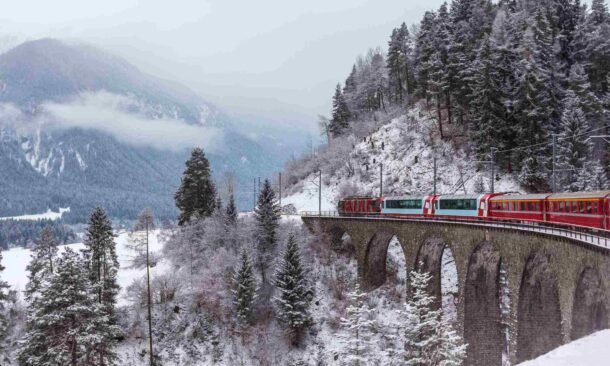
Switzerland is home to many awe-inspiring train journeys, including the ‘slowest express train in the world’, the Glacier Express, an 8–hour journey through some of the Swiss Alps’ most enchanting landscapes from Zermatt to St Moritz. Although stunning at every time of year, we recommend climbing aboard from December – March to see the rugged peaks covered in a blanket of glittering snow. The panorama cars with oversized windows allow you to absorb as much of the view as possible.
Events and festivals in Europe throughout the year
Europe’s events and festivals are as diverse as the countries it encompasses. Almost every month has something going on, and with the help of our experienced travel designers you can plan to coincide your trip with one of these memorable occasions for a taste of local culture and tradition.
Those in search of culture will love the Carnevale di Venezia, during which party-goers in elaborate masks and costumes take over Venice every February. Meanwhile, the Feria de Abril takes place two weeks after Holy Week in Seville – speak with your travel designer about obtaining exclusive tickets for this seven-day party packed with Spanish tradition.
Equally memorable are La Tomatina – a tomato throwing festival in Spain, Oktoberfest – Germany’s annual beer festival and St Patrick’s Day – Ireland’s much celebrated holiday, are all exciting ways to embrace your chosen destination. Meanwhile, sports enthusiasts and even casual watchers will be swept up in the thrilling action of the Tour de France, which takes place each July.
Travel guides
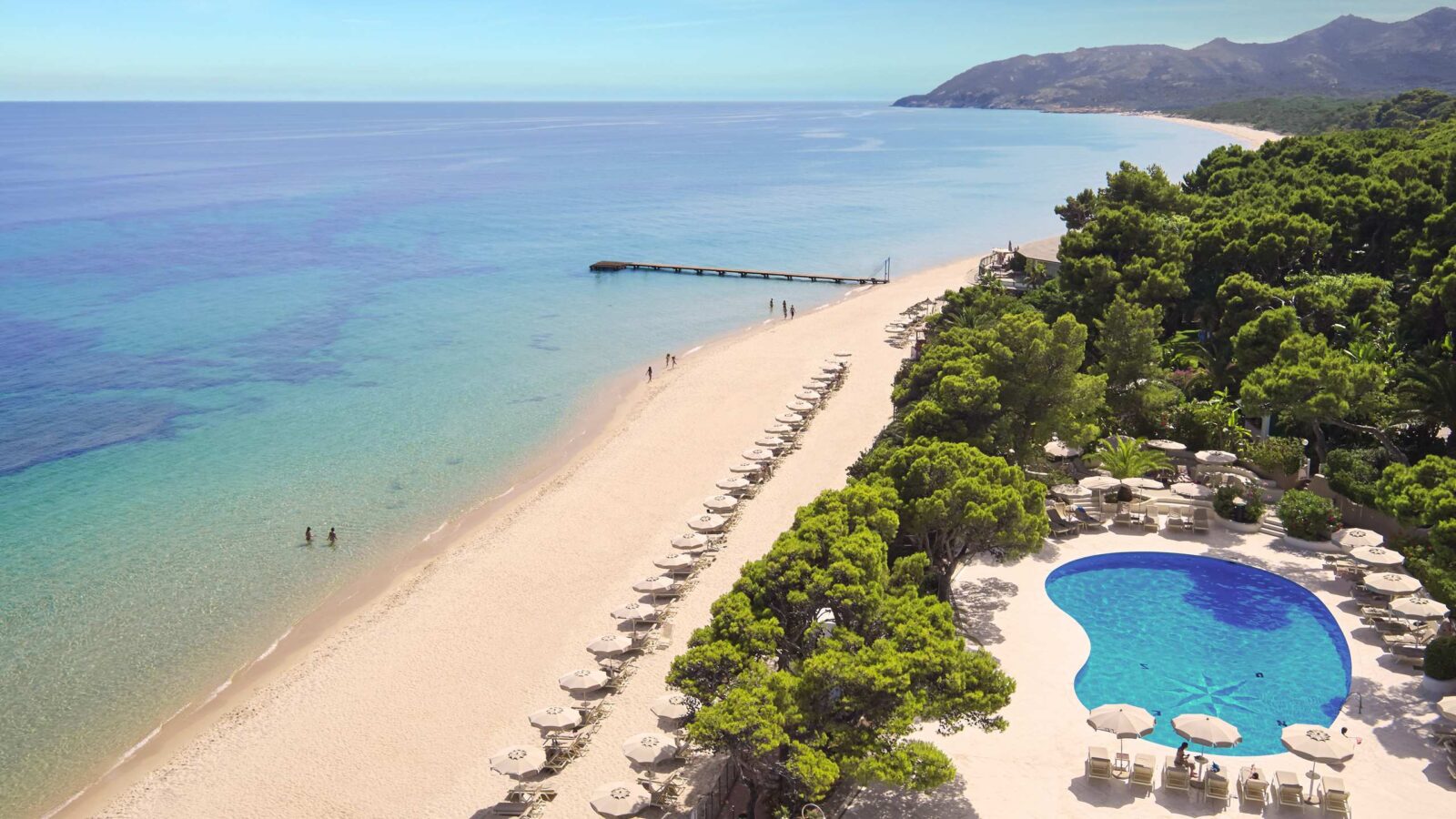
The Best Luxury Family Hotels in Europe
Discover the very best family hotels in Europe, from urban enclaves to beachfront hideaways and rural havens
Read more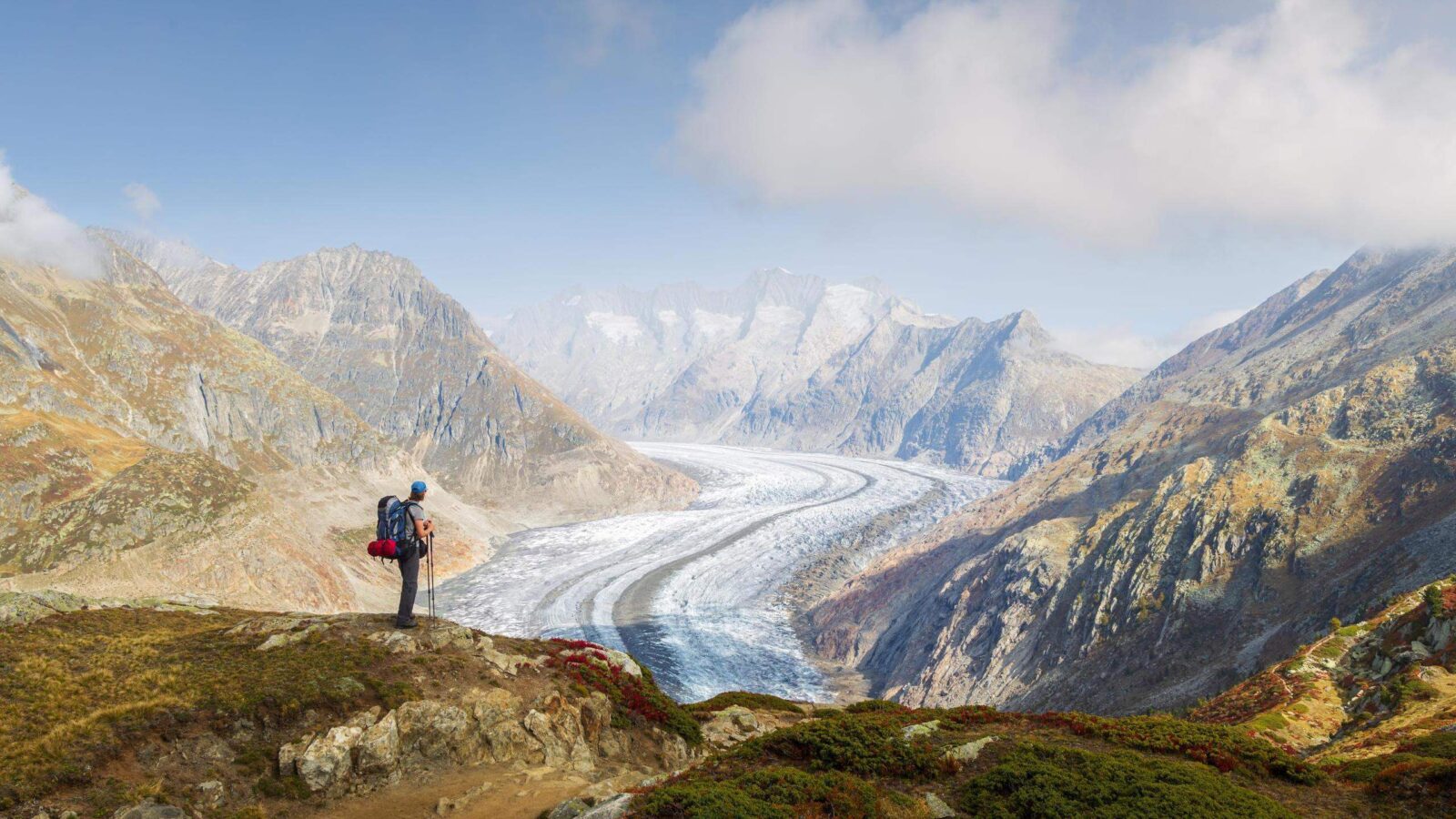
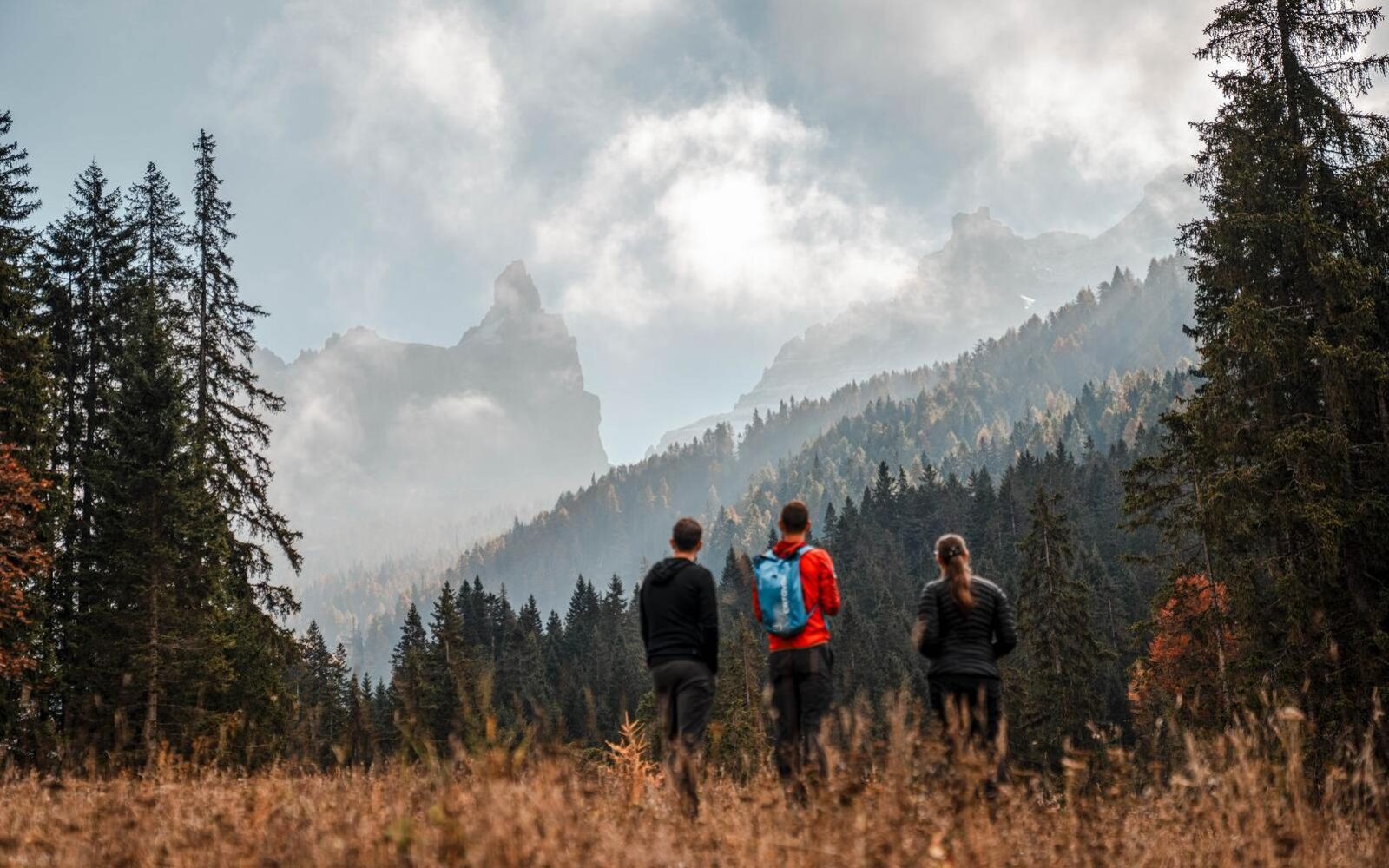
Our Favourite Countries to Combine in Europe
Discover the best country combinations to inspire your next European journey. Trace the route of your perfect family trip or romantic sojourn. Find out where y…
Read more
The Best Winter Experiences in Europe
Winter is the season when Europe displays its twinkling markets, offers breathtaking rail journeys, cosy retreats and skies that feel almost otherworldly. Our…
Read more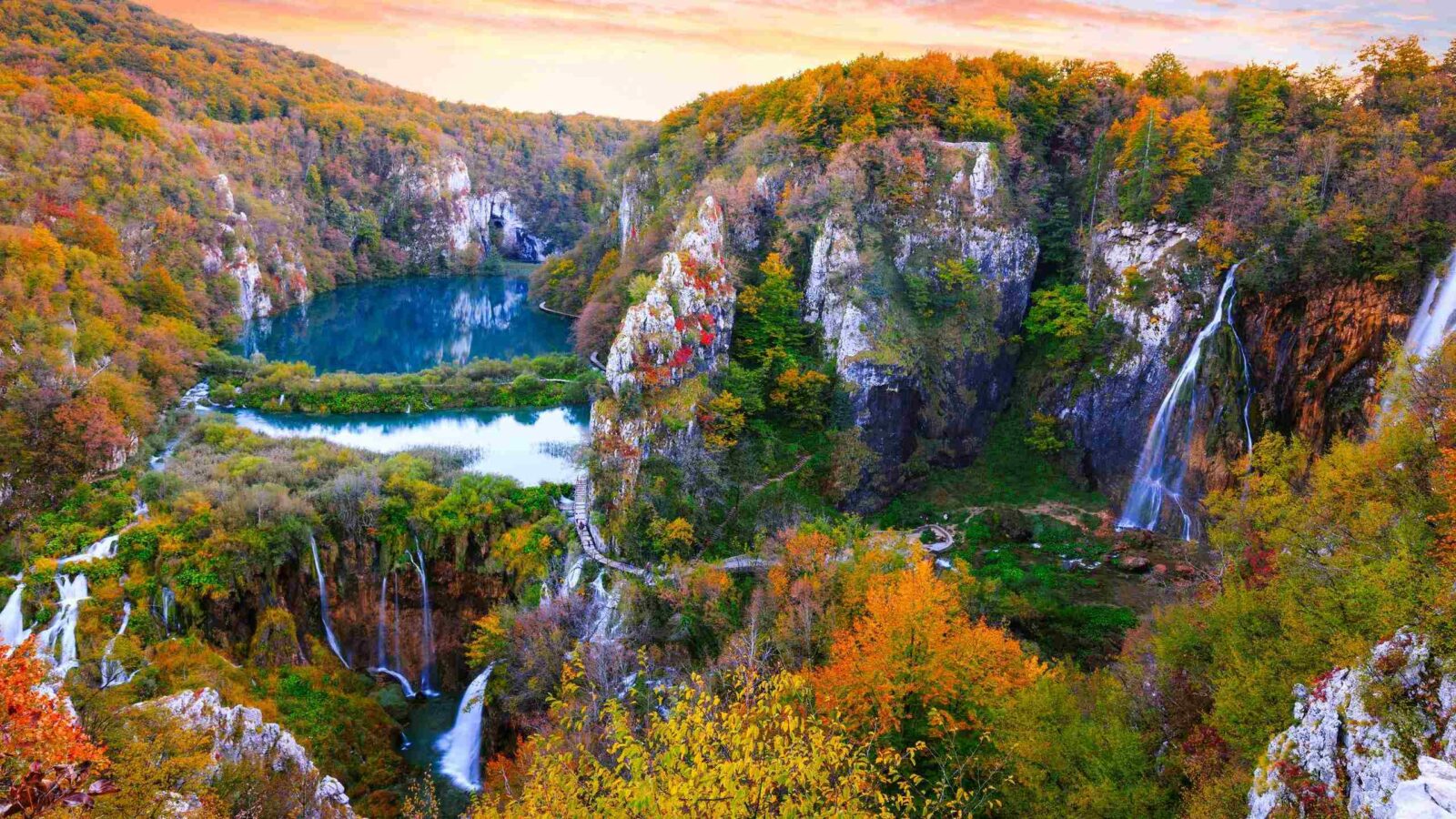
Trip inspiration

A Family Escape to Finnish Lapland
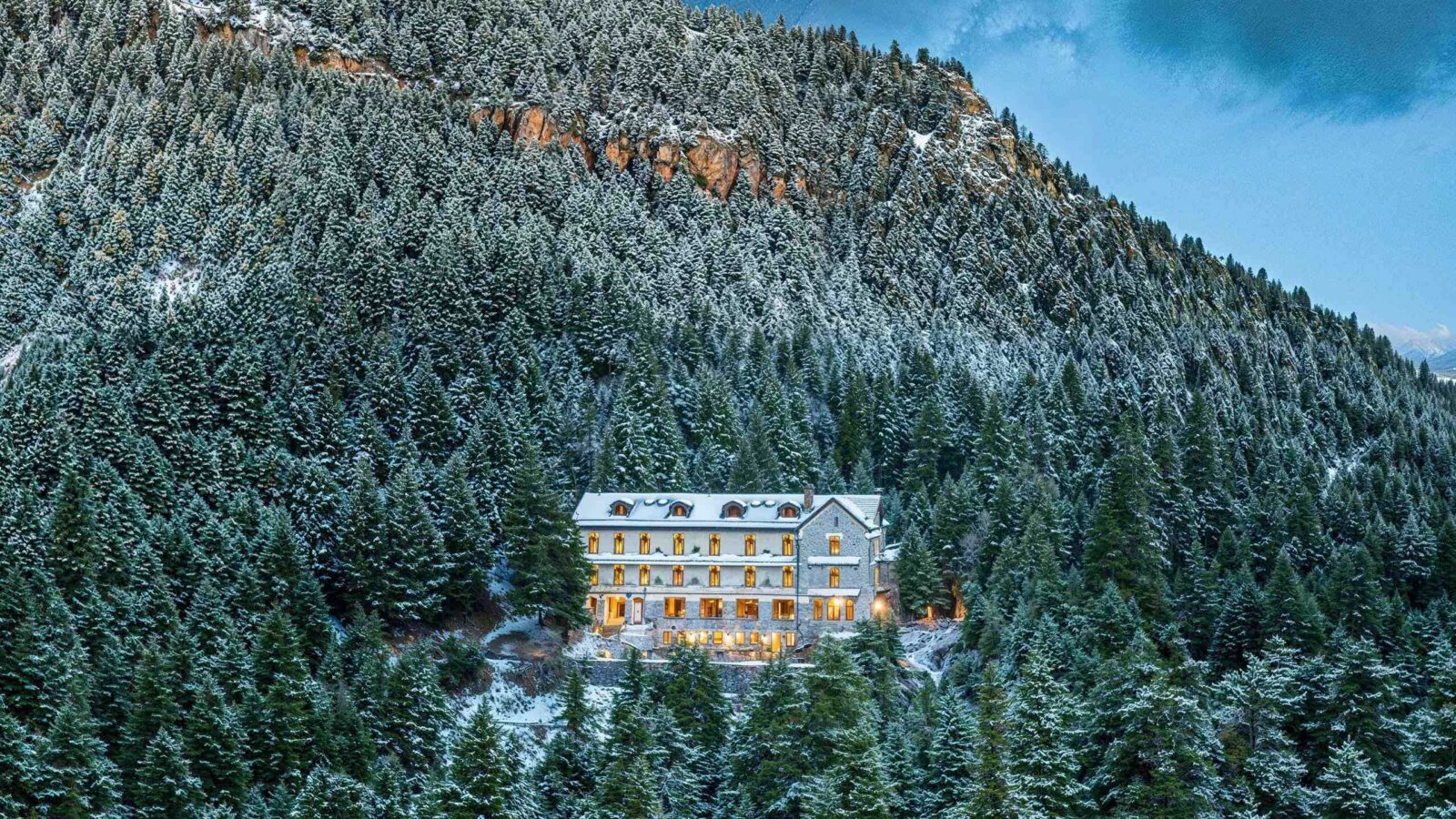
Finland is magical in winter – think forests carpeted in snow, clear starry skies and the crisp, still air you only experience when staying somewhere truly rem…
Explore trip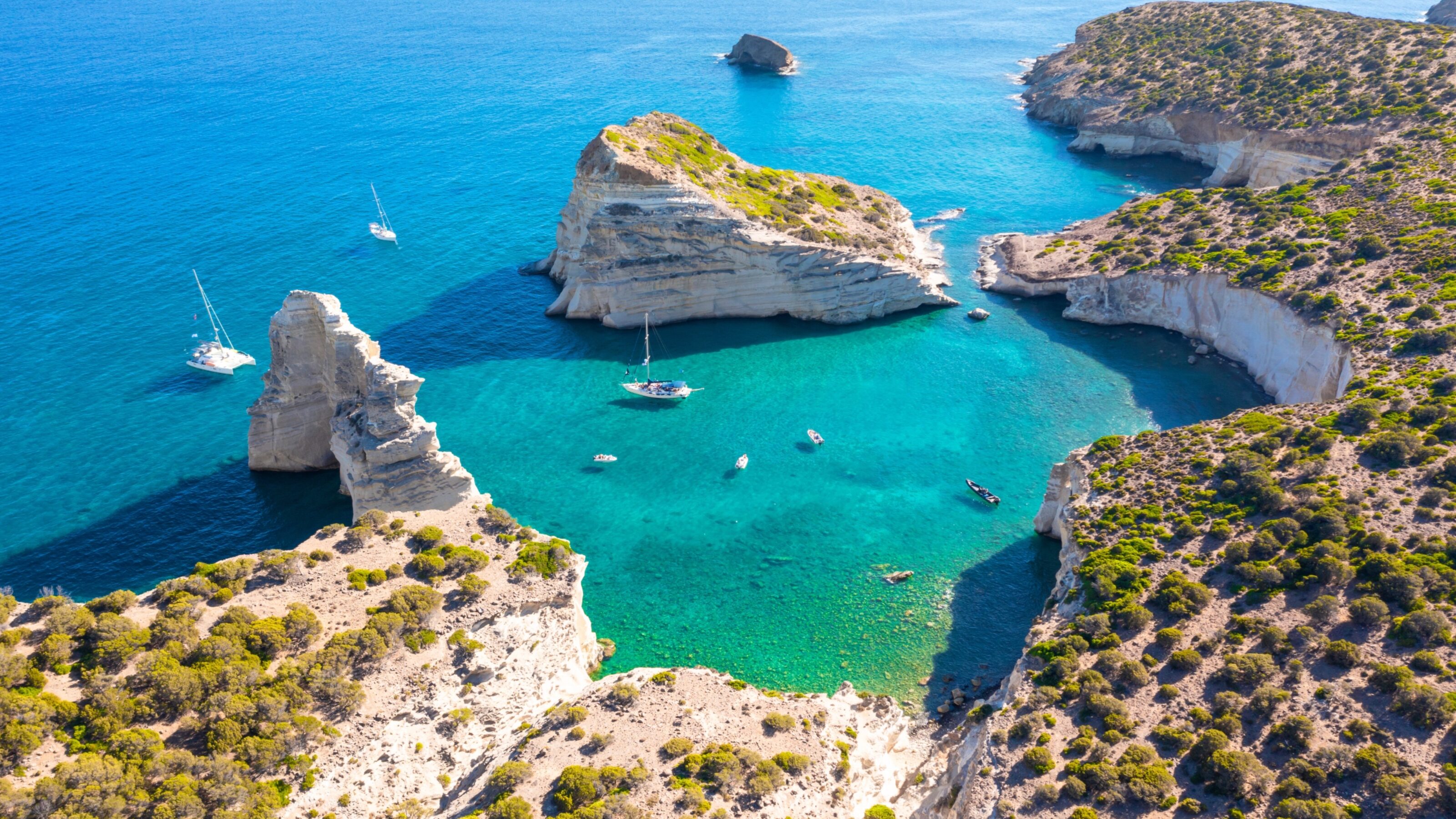
Greek Islands: Off the Beaten Track
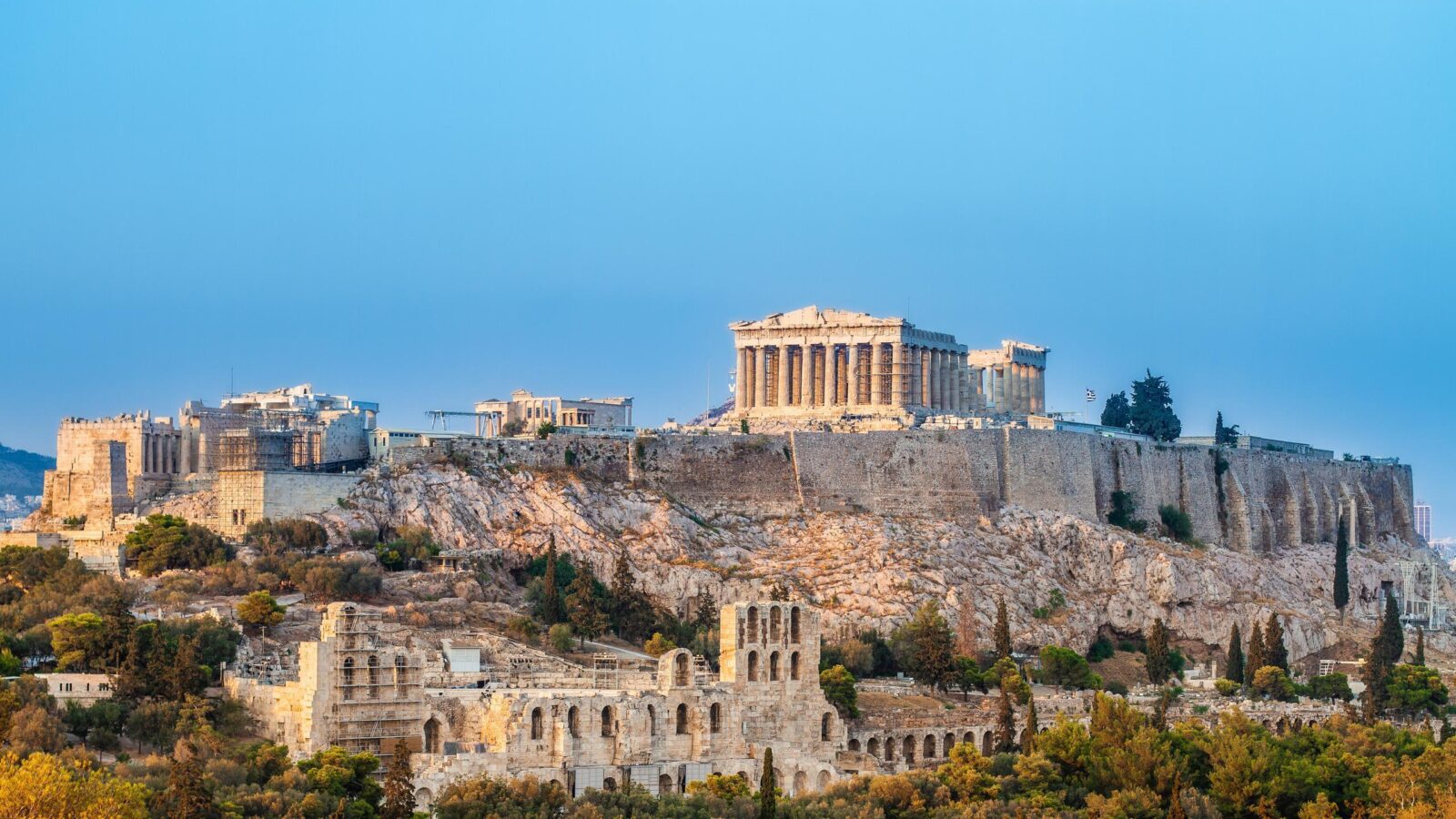
Experience the magic of the Greek islands, starting with the historic Acropolis and New Acropolis Museum in Athens. Journey to Milos for stunning beaches on a…
Explore trip
Luxury Paris and the Loire Valley
This luxurious French trip will introduce you to the historical beauty of Paris and the opulent chateaux that dot the picturesque Loire Valley. Tour the exquis…
Explore tripWhere to stay
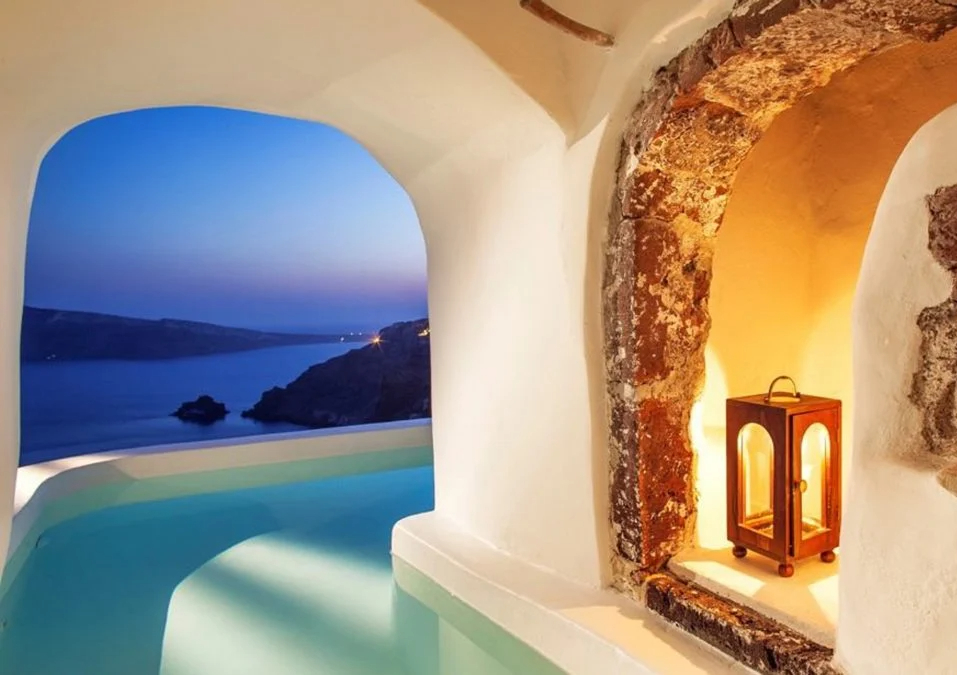
Canaves Oia Suites
An elegant luxurious cliff-side retreat

Rooster, Antiparos
Rooster Antiparos is a place to stay in Paros, Greece.
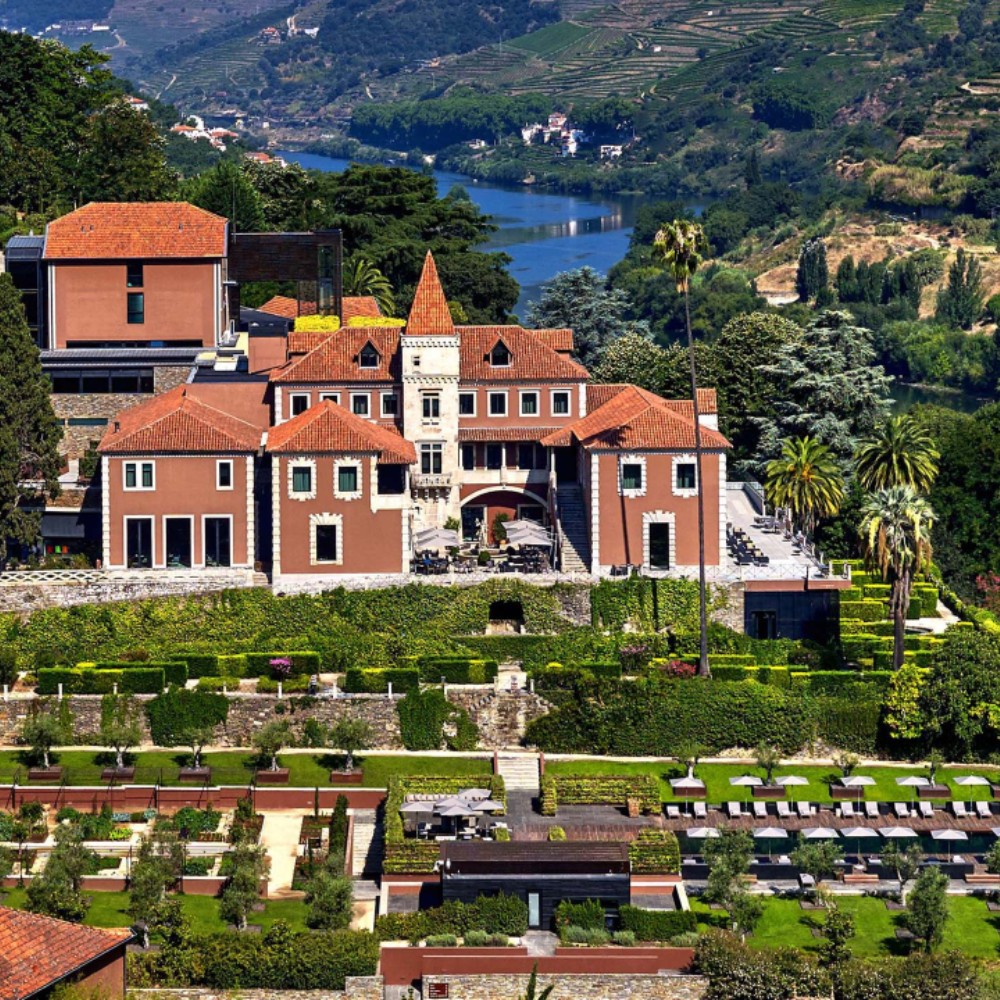
Six Senses Douro Valley
Authentic Portuguese design meets contemporary decor
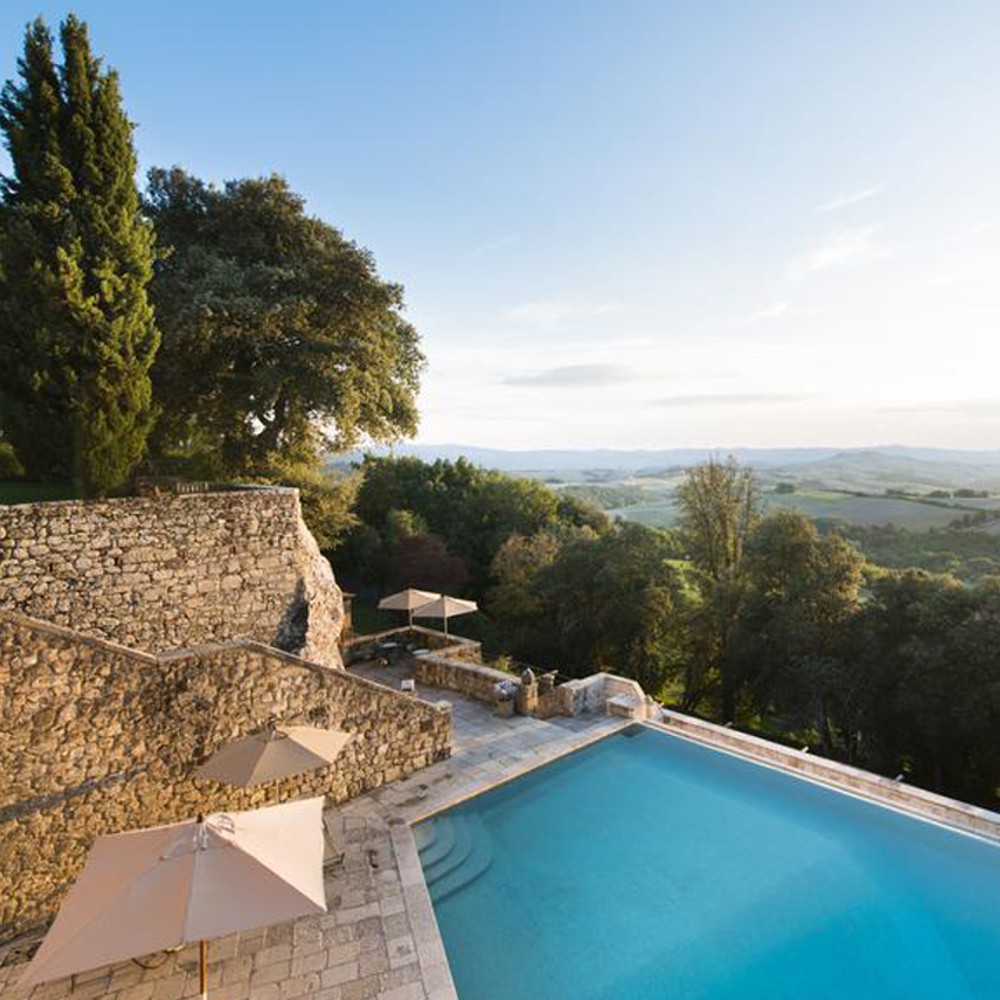
Borgo Pignano Volterra
A beautifully restored Tuscan estate
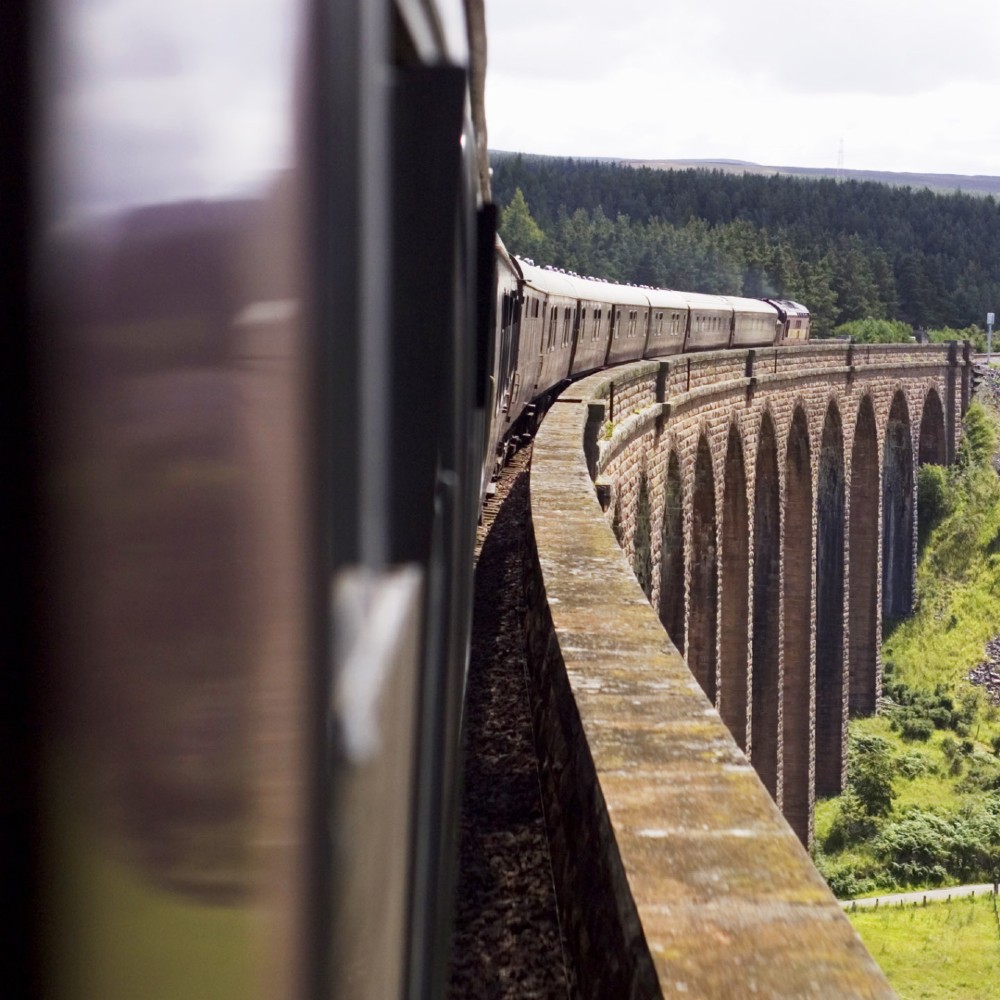
Belmond Royal Scotsman
One of the world’s most opulent trains
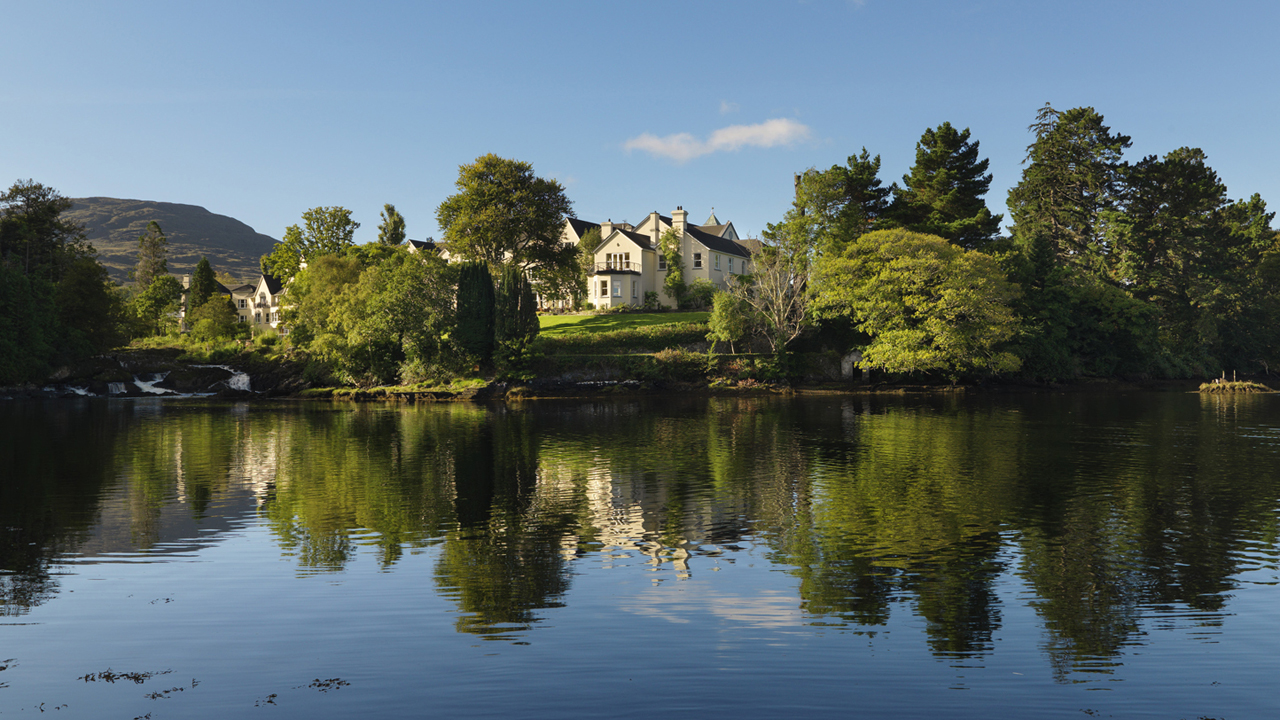
Sheen Falls Lodge
Sheen Falls Lodge is a lodge in Killarney and the south-west, Ireland.

Amanzoe
Amanzoe is a place to stay in Peloponnese, Greece.
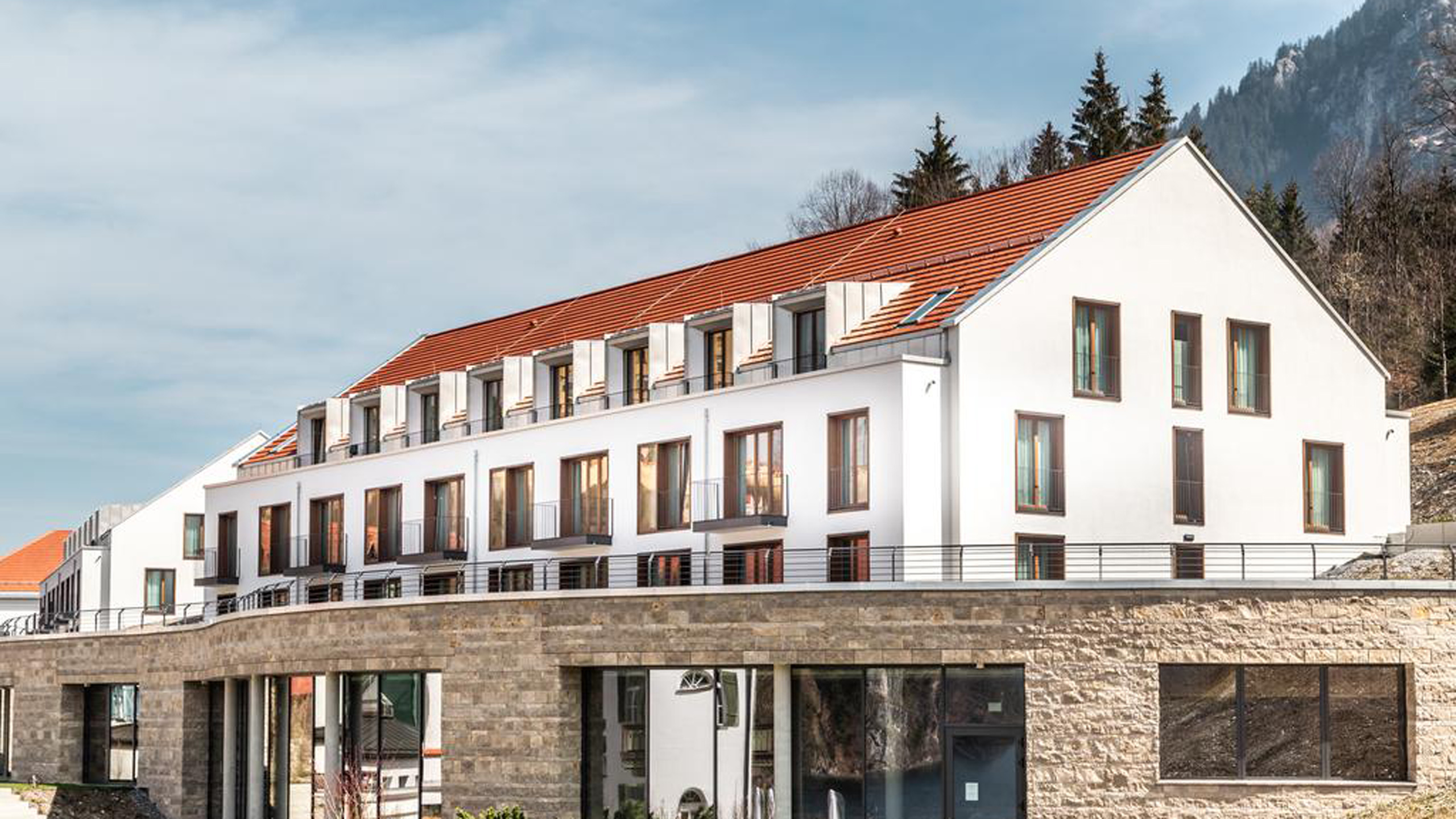
Ameron Neuschwanstein Alpsee Resort and Spa
Ameron Neuschwanstein Alpsee Resort and Spa is a hotel in Bavaria, Germany.
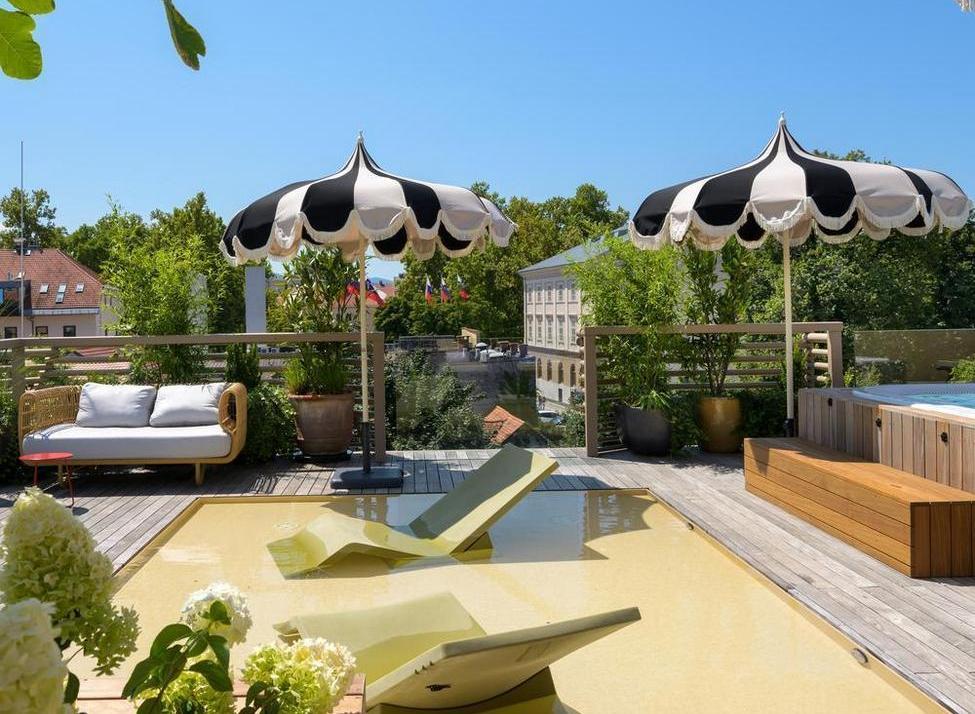
AS Boutique Hotel
Contemporary design in Ljubljana’s historic centre
Ready to start planning?
Tell us what you have in mind and our travel designers will shape the first ideas with you.
Start planning